South African businesses accelerated hiring and built inventories in March, pushing the S&P Global purchasing managers’ index to 50.8 from 50.0 in February, yet the Middle East conflict introduced new supply chain stresses and client hesitancy that could undermine the recovery. The index recorded the first upturn in business conditions for six months, with output and employment posting larger gains while stocks of purchases expanded for the first time in four months.
Companies reported taking on new projects and making renewed efforts to build stocks, contributing to the biggest rate of job creation since May 2024. However, those gains were offset by mounting external pressures linked directly to the war pitting the United States and Israel against Iran.
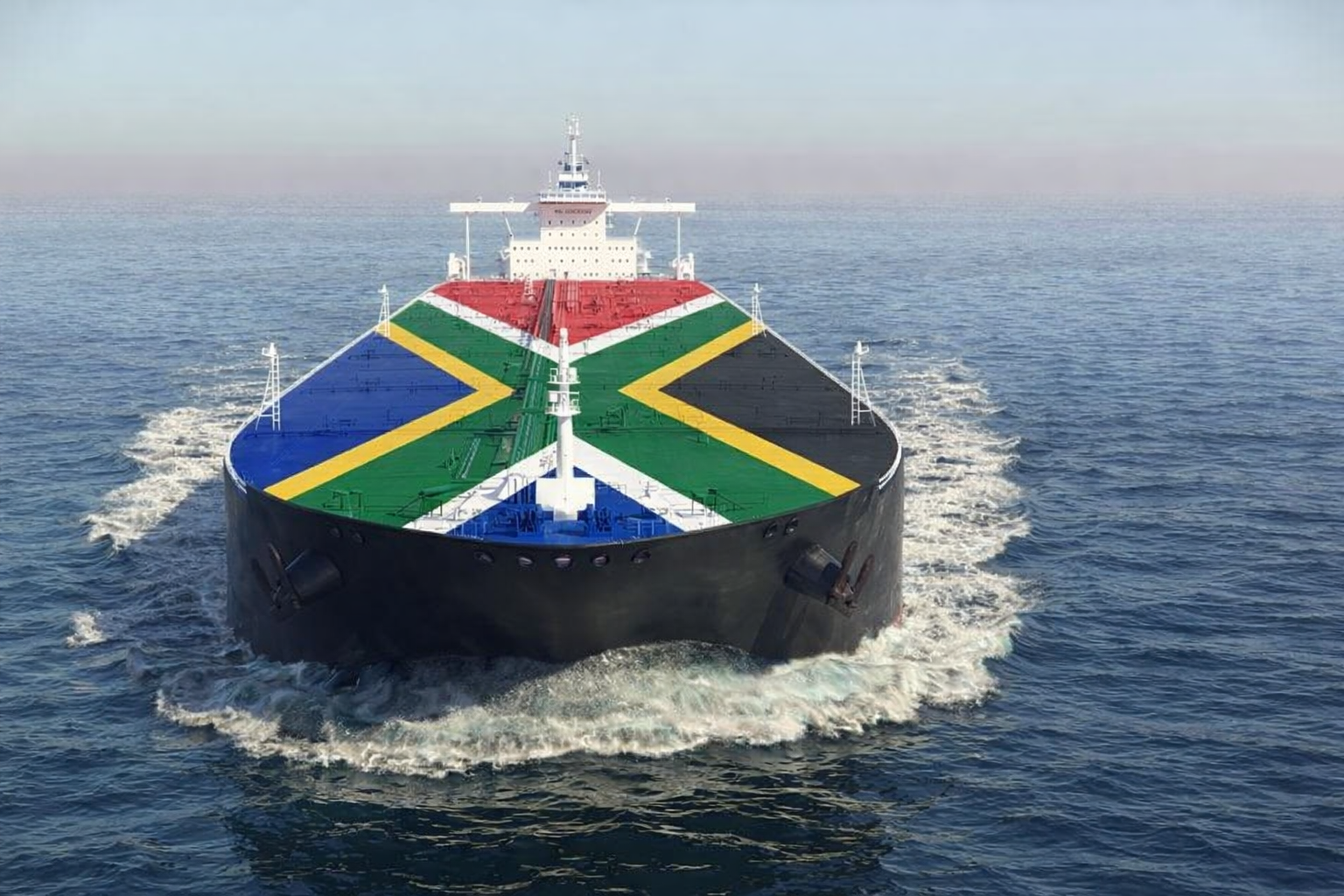
The conflict has hit global oil supply and sent prices soaring, with Iran showing no sign of agreeing to a US demand to open the Strait of Hormuz. The strait is a critical gateway through which about a fifth of the world’s oil and liquefied natural gas pass daily.
According to a separate analysis of the crisis, the disruption has pushed Brent crude above $90 a barrel for the first time since 2022, with direct consequences for South Africa’s fuel-dependent economy. The same report noted that South Africa imports all of its crude oil, with approximately 30% historically routed through the Strait of Hormuz before refinement at the Natref and Sapref refineries. The survey data showed input price inflation accelerated during March, driven by heightening fuel prices, a stronger US dollar and changes to the minimum wage. As a result, output charges rose to the greatest extent in more than a year.
The most concerning signal for South African businesses came from export markets. The S&P Global survey revealed a quicker decline in new orders driven by a fall in export sales that was the most pronounced in just over two years. Panel members reported hesitancy among foreign clients and fluctuations in exchange rates, resulting in a loss of orders. Overall delivery times lengthened in March, with the rate of increase quickening to a 16-month high. Companies reported disruptions to sea freight linked to the Strait of Hormuz and associated supply bottlenecks. Those input delays contributed to the slowest reduction in backlogs of work for six months, suggesting that unfinished business is piling up because new supplies are not arriving fast enough.
The divergence between domestic activity and external pressures creates a complex outlook. According to a detailed breakdown of the S&P Global findings, the survey found evidence of stock building and starting pending projects, with businesses raising output at the fastest rate in six months and strengthening the pace of job creation while increasing input stocks for the first time since November.
Senior economist David Owen at S&P Global Market Intelligence was cited as noting that while these domestic indicators are encouraging, the steep drop in export orders combined with greater delivery delays and input cost pressures, all linked to the Middle East war, points to trouble ahead for South African firms. The S&P Global PMI provides a snapshot of operating conditions in the private sector, with readings above 50 signalling improvement from the previous month.
A separate report last week showed Absa’s PMI, which focuses specifically on manufacturing, edged up 1.6 points to 49 in March, remaining just below the neutral threshold, with costs increasing in response to the Middle East war even before domestic fuel price increases were announced by the department of mineral and petroleum resources.