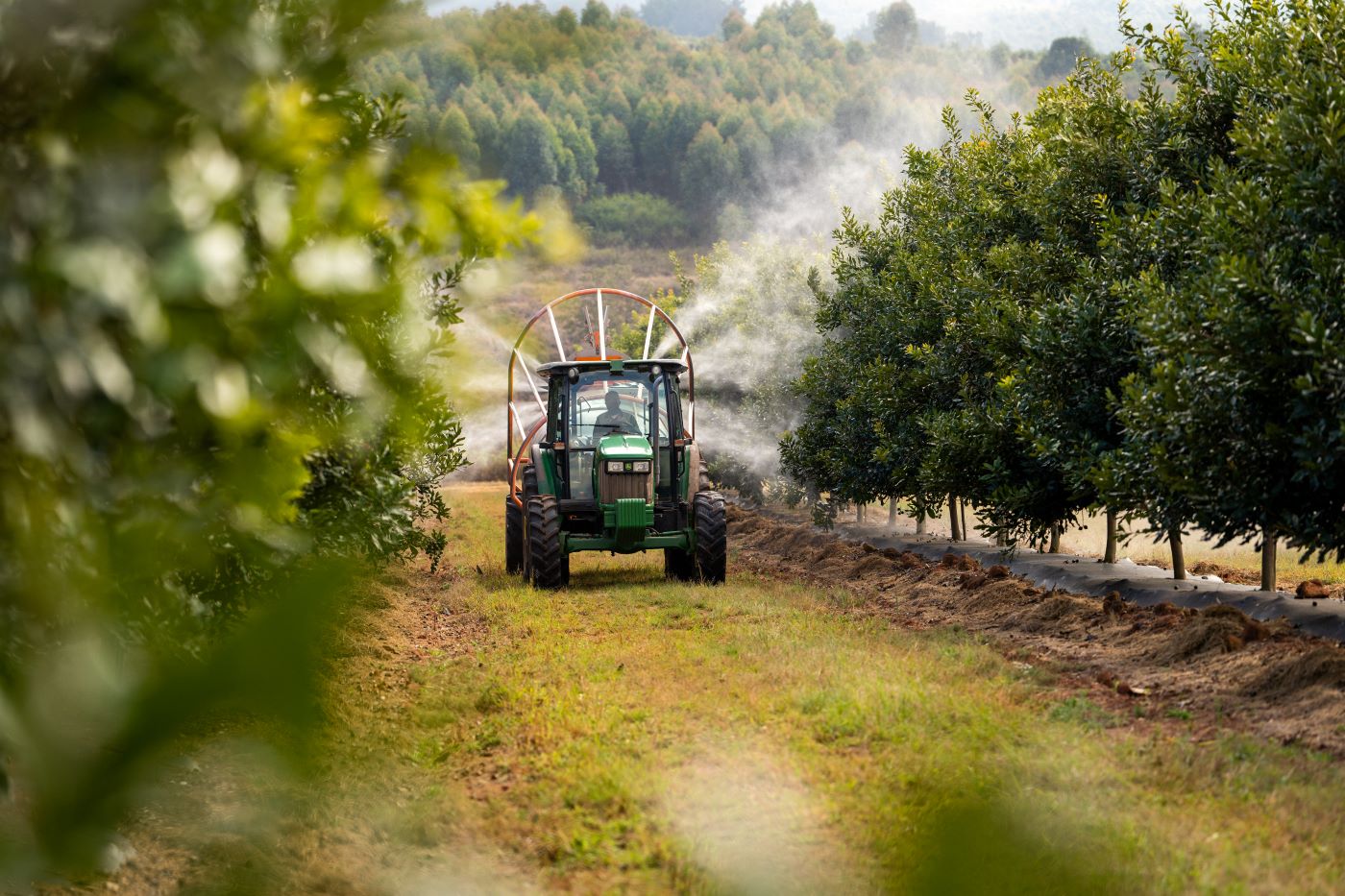
South African nut farmers are celebrating a partial reprieve after the United States announced a rollback of additional tariffs on a wide range of imported food products, including several key crops that had been caught in a broader trade dispute earlier in the year, as reported by BBC News on 14 November 2025. The decision exempts numerous nuts, grains, roots, seeds, and spices from the punitive 30 per cent reciprocal duties imposed in August, providing much-needed breathing space for producers of macadamia nuts and pecans, which form a vital part of the country’s high-value agricultural exports.
The move comes amid ongoing negotiations between Washington and Pretoria, following months of uncertainty that saw exporters rushing shipments to beat deadlines and exploring alternative markets in Asia and the Middle East. Macadamia nuts, in particular, have been a standout success story for South African agriculture, with the country ranking as one of the world’s top producers. Farms in Limpopo and Mpumalanga, where much of the crop is grown, stand to benefit significantly from restored competitiveness in the American market, which absorbs a substantial portion of premium kernels used in snacks, confectionery, and health foods.
Pecan growers, though on a smaller scale, are also expressing optimism, with the tariff relief expected to stabilise prices and support expansion plans at a time when global demand for tree nuts continues to rise. Industry bodies have welcomed the development as a sign that diplomatic efforts are yielding results, potentially safeguarding thousands of rural jobs dependent on these labour-intensive operations.
However, the relief is far from comprehensive. Wine producers and table grape farmers remain exposed to the full brunt of the remaining duties, facing steeper costs that could erode their market share in the US, a destination valued for its counter-seasonal demand during the northern hemisphere winter. The wine sector, centred in the Western Cape, has already been diversifying towards Europe and Asia, but the persistence of high tariffs threatens margins at a fragile time for an industry still recovering from previous global oversupply challenges.
Table grapes, harvested primarily from December onwards, are similarly disadvantaged, with exporters warning that American buyers may turn to competitors in Chile or Peru offering lower landed costs. According to trade data compiled by the Department of Agriculture, Land Reform and Rural Development, the US accounts for a meaningful slice of exports in these categories, and the uneven application of the rollback has created a divide among farming communities.
Agricultural economist Wandile Sihlobo, writing on his personal platform as reported by various outlets including Business Day, noted that while the US represents only about 4 to 6 per cent of South Africa’s total agribusiness exports, the impact is concentrated in specific high-value lines. He emphasised the importance of such selective easings in maintaining investor confidence and supporting rural economies, even as broader diversification remains a priority.
The partial rollback follows intense lobbying and a revised trade framework offer from South Africa, which addressed American concerns over market access for poultry, pork, and other products. Officials in Pretoria described the outcome as a step forward, though they stressed that full resolution would require further talks to encompass all affected sectors.
For now, orchards laden with macadamias and pecans are buzzing with renewed activity, as farmers plan for a more secure season ahead. Yet in the vineyards and grape packhouses, the mood is more cautious, with many bracing for another year of redirected shipments and squeezed profits. This mixed picture underscores the complexities of international trade relations, where gains in one area can quickly be offset by lingering hurdles in another.
As the 2025-26 summer cropping season approaches, South African agriculture finds itself at a crossroads, buoyed by favourable weather forecasts and targeted trade wins, but reminded that global markets remain unpredictable. The latest developments from Washington have brought smiles to some farms, but for others, the search for stability continues.