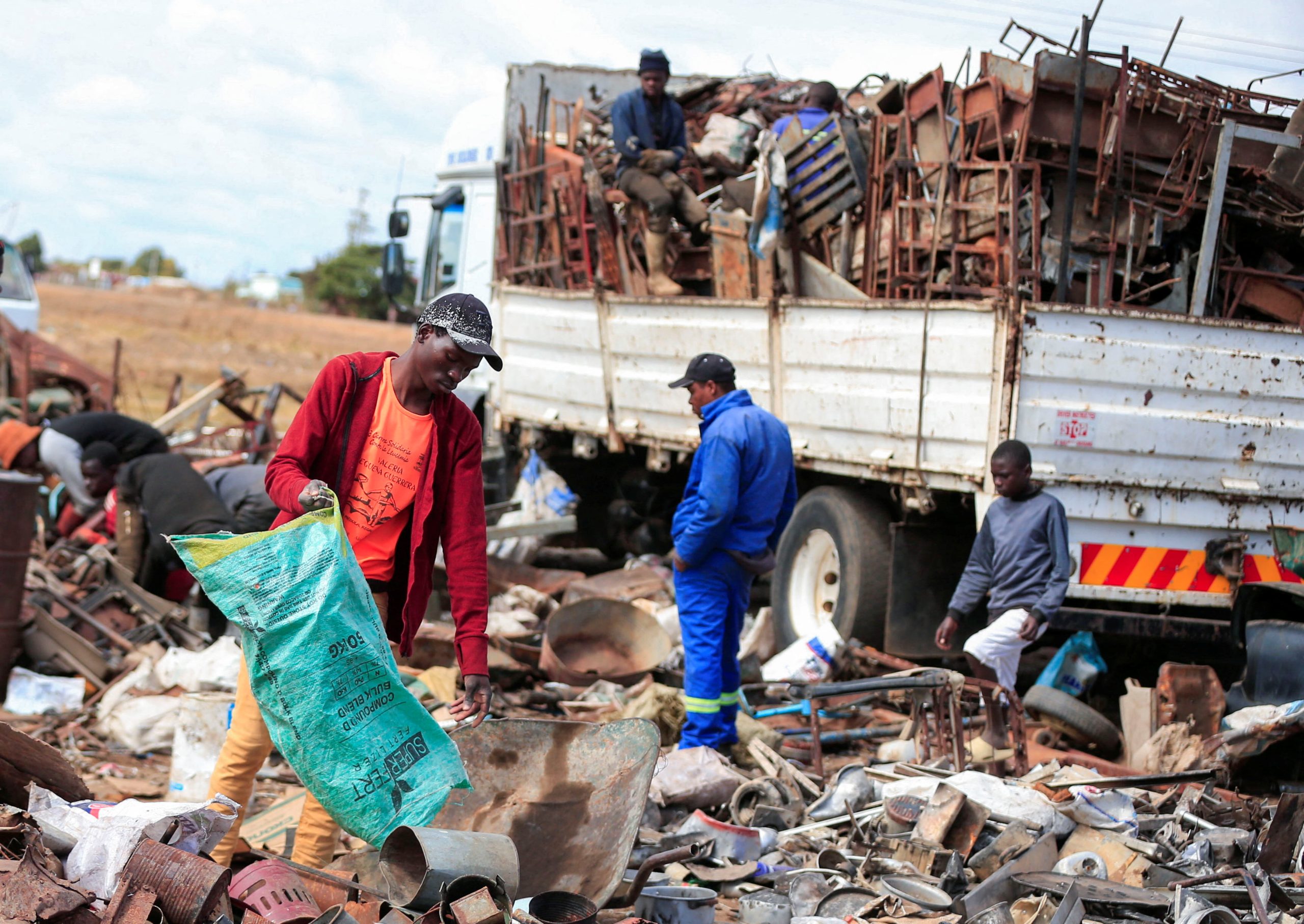
The International Trade Administration Commission of South Africa has advanced measures to prohibit cash dealings in the trade of scrap steel. This step aligns with the nation’s efforts to recover from its two-year placement on a greylist due to inadequate controls against money laundering, which have subsequently been reinforced. The initiative forms part of an evaluation of the 2013 price preference system for scrap metal. As reported by Business Day, the commission’s chief commissioner indicated that the assessment process spanned approximately thirteen months, with a key alteration being the lowering of the rebate for local ferrous scrap purchasers from thirty per cent to twenty-five per cent.
A significant element of the updated framework will eliminate cash-based exchanges entirely. This determination has been shaped by the oversight from the Financial Action Task Force and interactions concerning export oversight regulations established in 2022. Additionally, a specialised advisory panel comprising representatives from the South African Revenue Service and sector stakeholders will be formed. This group will offer guidance on emerging matters, contribute to deliberations, propose solutions to the commission, and aid in tackling violations and unlawful practices within the industry, ensuring uniform application of the system.
An analysis by an independent economic consultancy, released earlier in 2025, revealed that South Africa’s struggling steel sector has shed twenty-five thousand positions since 2009, with reductions persisting following the inception of the price preference system in 2013. The document, published in February, attributes these declines to governmental interventionist approaches in the steel domain, where output has fallen forty per cent below its 2006 high. Statistics indicate that around seven thousand five hundred roles were eliminated in the field since 2014, post the system’s rollout the year prior.
The policy stipulates that ferrous and non-ferrous scrap cannot be shipped abroad unless initially presented to domestic buyers at a markdown from the prevailing global rate. The study determined that the price preference system and associated export levies have generated disparities in the field, granting an inequitable edge to smaller-scale mills. When domestic requirements are unmet, scrap is converted into intermediate products like billets or ingots, predominantly for overseas markets. These items combine scrap with electricity, a limited commodity.
Such shipments are inflated artificially due to the system’s rebates, duties on raw scrap, and favourable financing from developmental institutions. These outflows embody the compelled concessions on local scrap producers, redirected to international purchasers of steel. Portions of that rebate recirculate to South Africa as inexpensive steel, rivaling indigenous production. Over the past twelve months, nearly four point two billion rand has been dispatched in this manner. According to EyeWitness News, the prohibition specifically targets scrap necessitating export authorisation under the commission’s rules, mandating that such dealings occur via the national payment network for improved traceability, in compliance with international anti-laundering standards.
As detailed by Omny.fm, recycling associations have opposed the modifications, deeming them prejudicial and detrimental to the reclamation sector, contending that they privilege compact mills and compromise equitable commerce. This resistance highlights ongoing frictions within the industry, where policy adjustments seek to reconcile economic expansion with regulatory adherence, potentially reshaping supply dynamics and influencing employment further. The commission’s actions underscore a broader commitment to bolstering trade governance amid global pressures.