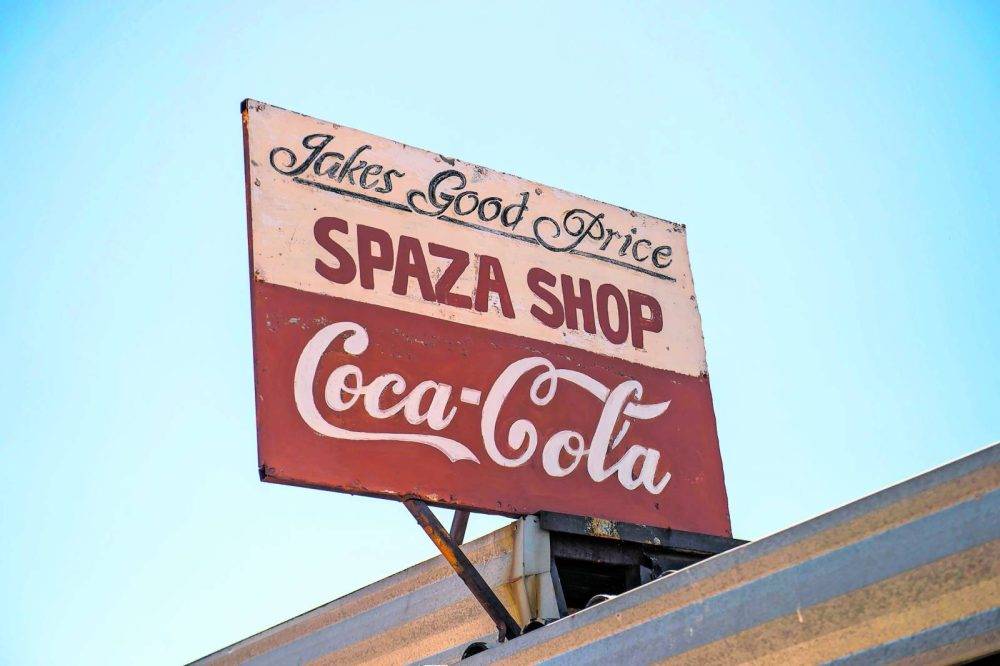
South African consumers are increasingly leaning towards traditional retail outlets, with spaza shops, independent superettes, and taverns showing faster growth than supermarkets and modern stores in the first half of 2025.
According to the latest State of the Retail Nation report from NielsenIQ (NIQ), traditional trade sales surged by 14.8% in value and 16.4% in volume compared to the same period last year. In contrast, modern trade channels, including supermarket chains and e-commerce platforms, experienced slower growth rates of 5.1% in value and 2.1% in units sold.
Consumers collectively spent over R324.4 billion on fast-moving consumer goods (FMCG) in the first half of 2025, reflecting a year-on-year increase of 7.4% in value and a 7.2% rise in units sold. Key growth categories included beverages, liquor, snacks, and tobacco, with unit sales of snacks climbing by 12.2% and tobacco sales soaring nearly 20%.
Zak Haeri, managing director of NIQ South Africa, noted that consumers are managing costs by buying in bulk, opting for value options, and seeking out promotions. The strong performance of independent traditional retailers during the first half of 2025 highlights their adaptability and understanding of customer needs.
While private label products remain popular among cost-conscious shoppers, their growth has slowed to 7.5% in the first half of 2025, down from 8.8% in 2024. In contrast, independent brands rebounded with an impressive 8.6% growth as major brands maintained their market share through effective promotions and product innovation.
Haeri remarked, “Our data for the first half of the year shows a mixed picture. Consumers remain strategic and frugal, but they are also making some small discretionary purchases in the FMCG sector.”
Retail trade figures from Stats SA show a real-term increase of 5.6% year on year in July, largely driven by a robust 10% rise in textiles, clothing, footwear, and leather goods. However, this growth was influenced by statistical base effects, as July 2024 experienced a significant 3.4% monthly decline.
Investec noted that despite rising take-home pay, low inflation, and interest rate cuts supporting household spending, overall retail confidence remains low, especially among lower- and middle-income consumers. Nevertheless, higher-income shoppers continue to demonstrate pockets of strength, with real wages expected to rise for the second consecutive year and CPI inflation projected at 3.2% for 2025.
Ongoing domestic challenges and global uncertainties, including tariffs, continue to impact consumer sentiment.