

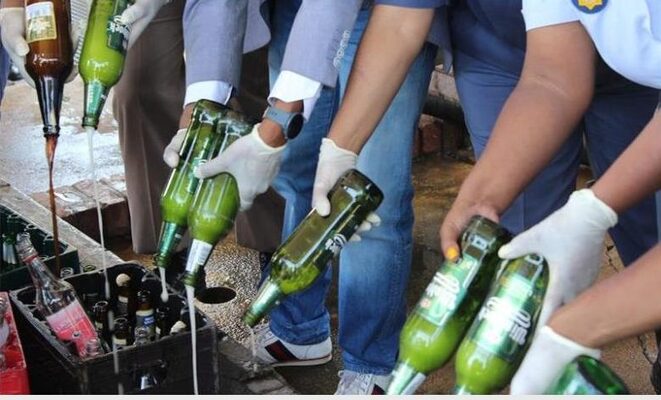
South Africa is confronting a serious challenge with the illicit alcohol trade, which has ballooned to an estimated R25.1 billion. This surge not only threatens public health but also results in a staggering R16.5 billion loss in tax revenue over the past year.
The Drinks Federation of South Africa has raised concerns about the increase in illegal alcohol sales, now accounting for 18% of the total market—meaning nearly one in five drinks consumed is illicit. Industry leaders are calling for urgent action to combat this issue.
Experts describe the illicit trade as a form of organised crime and advocate for coordinated efforts among government, industry, and enforcement agencies. The illegal market poses significant health risks, with dangerous substances often found in these products. Recent studies indicate that a large portion of the population knows someone affected by illegal alcohol, highlighting the severity of the problem.
Consumers are urged to be vigilant and look for signs of illicit alcohol, such as suspiciously low prices, poor-quality packaging, and the absence of excise stamps. Many consumers, despite being aware of the risks, opt for cheaper illicit options, particularly in low-income brackets, where prices can be up to 70% lower than legal alternatives.
While the illicit trade threatens public health and tax revenues, the legal alcohol industry remains crucial to the economy. In 2022, it contributed over R226 billion to South Africa’s GDP and supported nearly 500,000 jobs. The sector also generates significant excise tax revenue, which funds essential public services.
The rise of counterfeiting further complicates the issue, with large-scale production of fake products becoming increasingly common. Experts stress the need for stricter regulation and enforcement to address this growing crisis effectively.