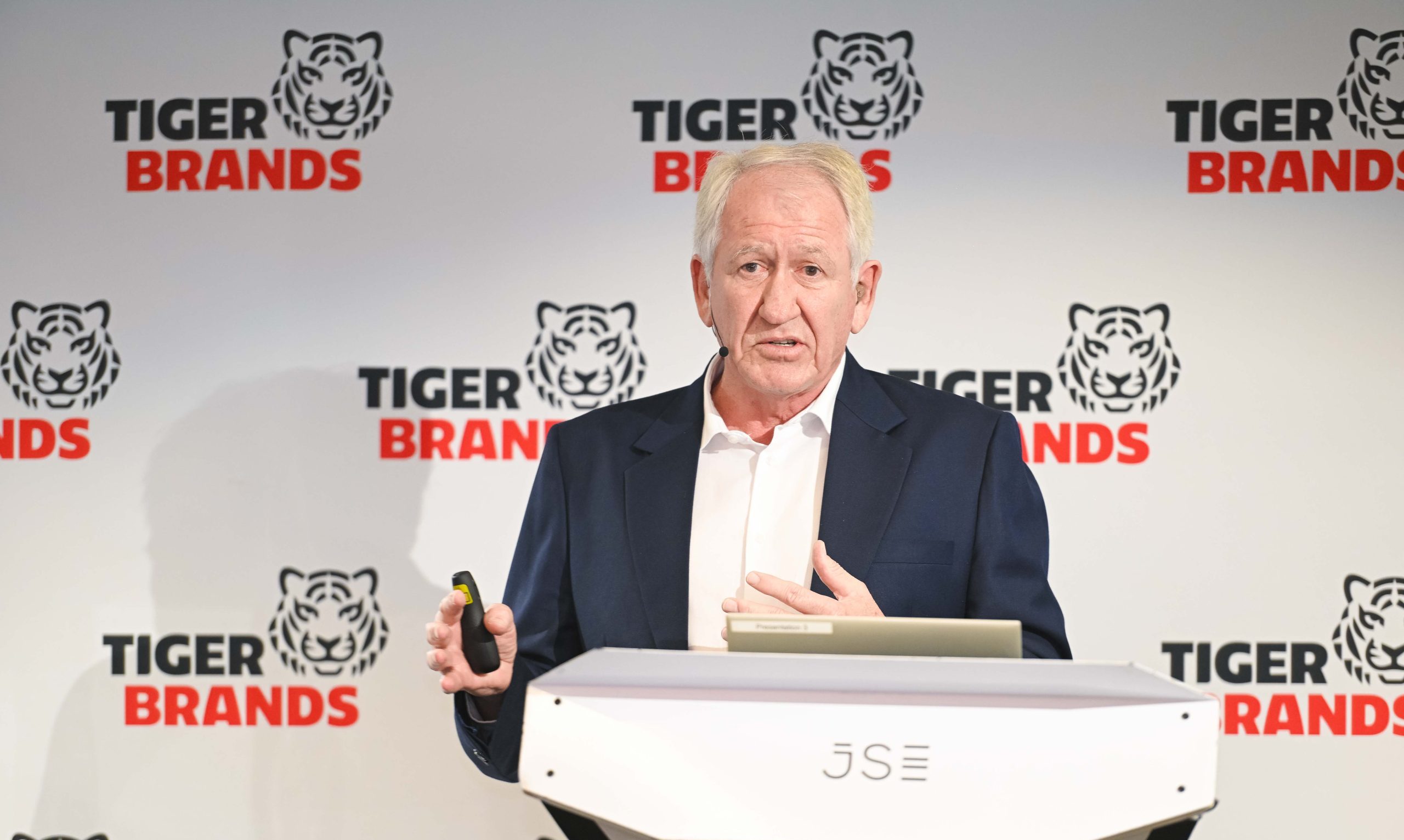
Tiger Brands has confirmed the disposal of a significant portion of its Beacon chocolate business as the food producer accelerates efforts to simplify its portfolio, improve returns and focus investment on categories with stronger long-term growth prospects.
The disposal forms part of a broader restructuring programme that has gathered pace over the past two years, during which the JSE-listed group has exited several non-core assets while directing capital towards businesses where it believes it holds stronger competitive positions and greater opportunities for margin expansion.
In its interim results for the six months ended March 2026, Tiger Brands disclosed that it entered into an agreement during May to sell the Beacon brand and associated manufacturing equipment used to produce chocolate slabs, Easter eggs and assorted chocolate products. The transaction represents one of the group’s most significant brand portfolio changes in recent years, given Beacon’s long-standing presence in South Africa’s confectionery market.
READ – Tiger Brands Posts Strong Results
The company will, however, retain several chocolate and snack brands that remain central to its growth strategy. These include TV Bar, Nosh, Wonder Bar, Black Cat chocolate, Jelly Tots chocolate and Jungle energy bars, products that continue to perform strongly within the broader snacks category and align with changing consumer preferences towards convenience and on-the-go consumption.
The disposal extends beyond brand ownership. Tiger Brands also confirmed that property assets linked to its former chocolate and confectionery operations are being marketed separately, with the process expected to conclude before the end of the current financial year. As a result, the Beacon chocolate business has been classified as a held-for-sale asset in the group’s interim financial statements.
The move reflects wider structural shifts taking place across the global food manufacturing industry. Large consumer goods companies have increasingly streamlined portfolios over the past decade, exiting lower-growth businesses and concentrating resources on categories capable of generating stronger returns, pricing power and market share gains. Rising production costs, changing consumer behaviour and heightened competition from both multinational and private-label brands have intensified pressure on food producers to allocate capital more selectively.
READ – Tiger Brands Signs Electricity Wheeling Agreement
For Tiger Brands, the latest disposal follows a series of strategic transactions aimed at reshaping the business. The group has already completed the sale of its Randfontein operations and previously exited its investment in Chilean food producer Carozzi. The disposal of its Chococam business in Cameroon also remains in progress, subject to regulatory approvals.
At the same time, management has altered course in at least one area of the portfolio. Following improved operational performance, the company has elected to retain its King Foods division rather than proceed with a disposal. The decision suggests management believes the business now offers greater long-term value within the group’s portfolio following progress made under its turnaround programme.
The latest portfolio adjustments come against the backdrop of improving financial performance. Tiger Brands reported operating income of R2.1 billion for the six-month period, representing growth of 26.1% compared with the previous corresponding period. The increase was driven by operational efficiencies, productivity improvements and margin recovery across several key categories.
Revenue increased modestly to R17.9 billion despite a period characterised by food price deflation in certain categories. Volumes grew by 4.5%, indicating that consumers continued to purchase Tiger Brands products despite ongoing pressure on household budgets.
READ – Tiger Brands appoints Lorraine De Graaff
The performance reflects broader trends emerging within South Africa’s consumer goods sector. While inflation has moderated from recent highs, consumers remain highly price sensitive following several years of rising living costs, elevated interest rates and constrained economic growth. Food manufacturers have therefore increasingly relied on volume growth, product innovation and cost management to protect profitability.
Tiger Brands Interim Performance (H1 2026)
| Metric | H1 2026 | Change |
|---|---|---|
| Revenue | R17.9bn | Slight increase |
| Operating Income | R2.1bn | +26.1% |
| Volume Growth | 4.5% | Positive |
| Interim Dividend | 430c/share | +3.6% |
| Capital Returned Since FY24 | R9.2bn | Through buybacks and special dividends |
Although headline earnings from continuing operations improved slightly, overall earnings per share declined due largely to the absence of contributions from businesses disposed of during the previous financial year, including Carozzi and the Baby Wellbeing division.
The group’s capital management strategy has also remained a focal point for investors. Tiger Brands increased its interim dividend to 430 cents per share from 415 cents a year earlier, maintaining its commitment to shareholder returns. The company has complemented dividend payments with share repurchases, returning excess capital to investors as it unlocks value from portfolio disposals.
Since the start of the 2024 financial year, Tiger Brands has distributed approximately R9.2 billion to shareholders through a combination of special dividends and share buybacks. This capital allocation approach has been welcomed by investors seeking greater efficiency in the use of surplus cash while management continues to reshape the business.
The Beacon transaction therefore represents more than a brand sale. It forms part of a broader transformation programme designed to create a leaner, more focused food company centred on categories where Tiger Brands believes it can achieve stronger growth, improved profitability and greater resilience in an increasingly competitive consumer market.
READ – Tiger Brands Targets Township Growth
With several strategic transactions nearing completion and operating performance showing signs of improvement, the company’s next challenge will be converting portfolio simplification into sustained earnings growth while defending market share in an environment where consumers remain under significant financial pressure.