Offshore structuring has often been viewed through a single lens: tax efficiency. But while tax remains an important consideration, this perspective no longer reflects the realities of modern cross-border wealth planning. Today, successful offshore structures are increasingly judged by the broader strategic purpose they serve.
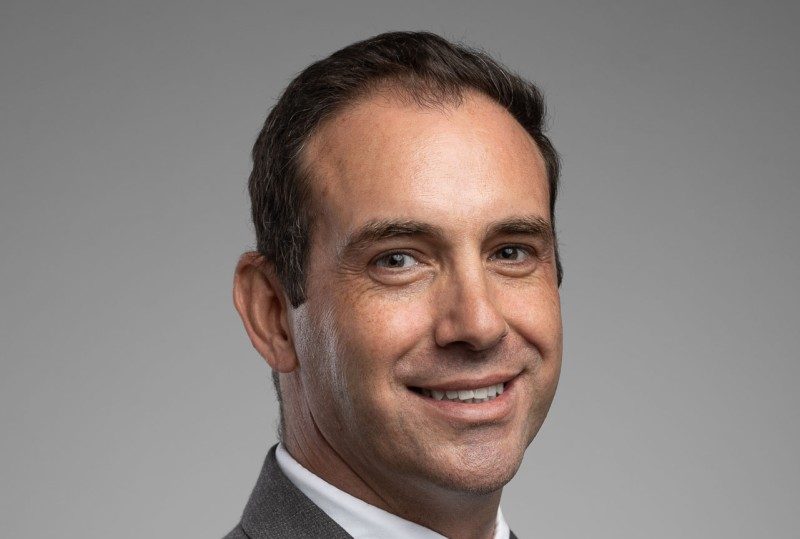
Herman Redelinghuys, Business Development Manager at Sovereign Trust SA, says that as investors, families, and businesses have become more internationally connected, offshore planning has evolved significantly: “Offshore planning remains highly relevant, but its value today lies far beyond tax considerations alone. Successful structures are increasingly measured by how effectively they support an individual or family’s long-term objectives, whether those are diversification, succession planning, asset protection, international expansion, or wealth preservation.”
For many South African investors and entrepreneurs, diversification has become a key consideration. Building wealth in a single country can create concentration risk, while offshore structures can provide access to international markets, hard currency exposure, and investment opportunities that may not be available locally. For business owners, they can also support future expansion into foreign jurisdictions or facilitate cross-border commercial activities.
READ – Are offshore trusts only for the wealthy?
At the same time, the global regulatory environment has changed dramatically.
“It is important to recognise that as wealth, investments, businesses, and families have become more international, regulatory oversight has become significantly more sophisticated. International information-sharing agreements, beneficial ownership registers, enhanced banking due diligence, and stricter reporting requirements have transformed the offshore landscape,” says Redelinghuys.
As a result, structures that may once have been assessed primarily on their tax treatment are now evaluated through a much wider framework that includes governance, transparency, commercial rationale, and long-term sustainability.
This shift has fundamentally changed the way offshore planning should be approached. Redelinghuys explains that, rather than asking where assets can be held most tax efficiently, the more relevant question today is what objective the structure is intended to achieve.
Importantly, these objectives are not about concealing assets or avoiding scrutiny. Instead, they are about creating flexibility and resilience within a broader wealth strategy. When implemented correctly, offshore structures can help families and businesses manage risk while remaining fully compliant with their tax, exchange control, and reporting obligations.
Succession planning is another area where offshore structuring is playing an increasingly important role. Many successful individuals devote years to building wealth but spend comparatively little time considering how that wealth will be managed and transferred in the future.
READ – What is the Role of Offshore Funds in Global Growth?
As families become more geographically dispersed and assets are held across multiple jurisdictions, estate planning becomes significantly more complex. In these circumstances, traditional planning tools may not always be sufficient.
“Trusts, foundations, companies, and other legal vehicles can, where appropriate, help create continuity, simplify administration, and support the orderly transfer of wealth between generations,” says Redelinghuys. “The key is ensuring that the solution is aligned with the family’s specific circumstances and long-term goals.”
The choice of jurisdiction has also become far more nuanced than it once was. There is rarely a universally ‘best’ offshore destination. The suitability of a jurisdiction depends on factors such as the nature of the assets involved, the client’s tax residency, family circumstances, and the intended purpose of the structure.
In many cases, considerations such as political and legal stability, regulatory standards, banking access, professional infrastructure, and international reputation can be just as important as measures to streamline tax.
This changing environment places increasing emphasis on adviser-investor relationships. Understanding long-term objectives, identifying risks, assessing future needs, and evaluating potential regulatory implications are all critical components of effective structuring.
“Achieving the right outcome requires careful planning and guidance from experienced tax, legal, fiduciary, and business professionals who understand both the opportunities and responsibilities that come with international wealth structuring,” concludes Redelinghuys. “Ultimately, the goal is to help individuals and families organise their affairs in a way that is robust, purposeful, and aligned with their future ambitions.”