
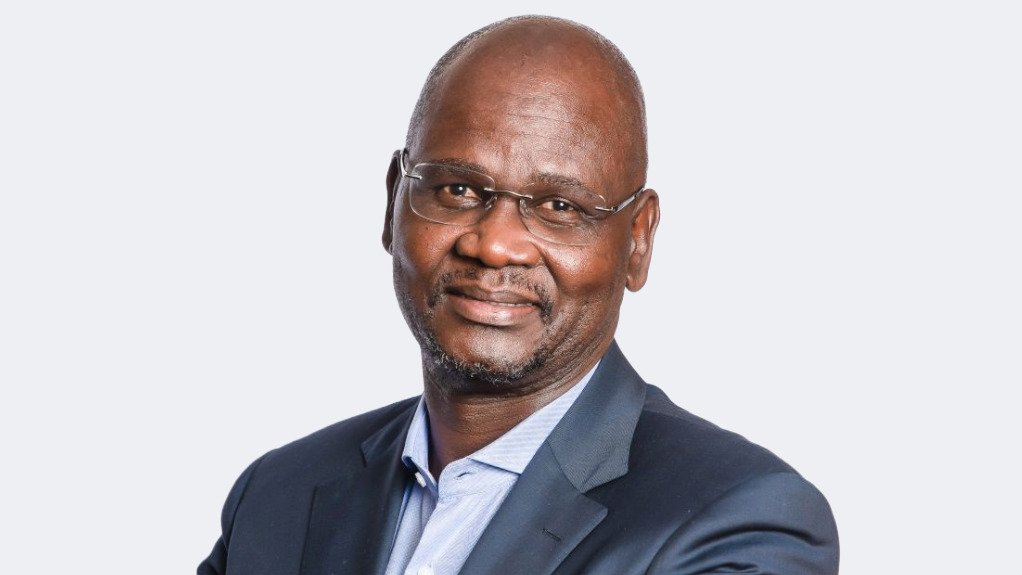
The chief executive of the Public Investment Corporation has expressed outrage over a R400 million disbursement to the black economic empowerment partner in Lanseria Airport, deeming the underlying assessment as entirely inappropriate. Patrick Dlamini, the head of Africa’s largest asset manager, is reportedly incensed that Acapulco Trade and Invest received this sum following an arbitration that hinged on what the board views as an inflated appraisal of the airport’s worth. As reported by News24, this payment has prompted the board to consider pursuing legal recourse to recover the funds, highlighting deep concerns over the transaction’s integrity.
At the core of the board’s discontent is the belief that Lanseria’s value was overstated by approximately R1.7 billion, enabling Acapulco to secure a substantial settlement despite forfeiting its equity due to an unpaid debt. The arbitration relied on a valuation by Crowe, which positioned Acapulco’s 25 per cent holding at around R1 billion, allowing the firm to exit with a significant gain even after settling a R600 million obligation, inclusive of interest. According to Business Day, Acapulco had obtained a R333.2 million loan from the Public Investment Corporation in 2013 to acquire its stake, with the repayment due on the tenth anniversary of the initial advance in late 2023.
Acapulco’s default on the escalated debt led the corporation to enforce its security by assuming control of the shares. Subsequent valuation disputes ensued, with both parties initially engaging BDO, whose draft was rejected, culminating in Crowe’s appointment. The corporation contests Crowe’s findings, citing fundamental errors such as double-counting, which artificially elevated the airport’s worth from a March 2025 estimate of R1.4 billion—valuing Acapulco’s portion at R350 million—to R4 billion.
This episode has intensified scrutiny on the corporation’s governance, particularly following allegations by political figures of widespread impropriety in its dealings. The Public Investment Corporation has refuted claims of corruption in the payout, asserting that it adhered to legal mandates and is preparing comprehensive briefings for the president and parliament to demonstrate compliance. As noted by Business Day, the board’s potential litigation underscores a commitment to accountability, amid broader calls for inquiries into its investment practices.
Acapulco is held by individuals including Kagiso Matjila, son of a former director-general, alongside other partners. The transaction also involves Harith General Partners, though it was not party to the dispute. Previous similar accusations against associated entities have been dismissed by courts, reinforcing the corporation’s stance on procedural fairness.
The Public Investment Corporation manages assets exceeding R3 trillion, primarily pension funds for government employees, making such settlements highly sensitive to public oversight. According to News24, Dlamini’s reaction reflects internal frustrations with the arbitration outcome, which legal advice compelled the entity to honour despite reservations. This case echoes ongoing debates on black economic empowerment efficacy and valuation transparency in public investments, potentially influencing future deal structures.
As detailed by Business Report, the corporation’s response includes forming technical groups to monitor compliance and address illicit activities, aiming to restore confidence amid political pressures. The incident has drawn comparisons to past controversies, prompting renewed calls for enhanced regulatory frameworks in state-owned asset management.