
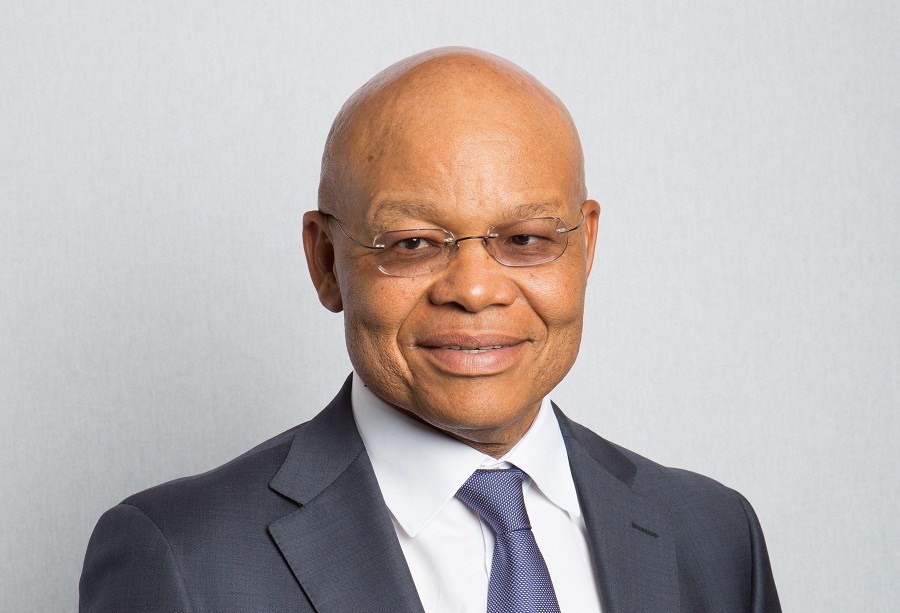
Investec grew interim earnings on the back of new clients, steady lending and a stronger rand, although higher costs and a weaker UK business sent its shares sharply lower.
The dual-listed banking and wealth group said adjusted earnings per share rose 7.4% to 43.5p (R9.72) in the six months to 30 September, just above the 41.7p to 43.3p range it had guided to in September. Revenue increased 6.7% to £1.17bn (R26.2bn), but only 1.9% in neutral currency, with an average rand 8.7% firmer against the pound doing much of the work. Adjusted operating profit climbed 5.6% to £494.5m (R11.1bn).
Shareholders will receive an interim dividend of 18.5p (R4.13), up from 17.5p, a 42.5% payout within the group’s 35% to 50% policy. Return on equity edged down to 13.5% from 13.6%, inside the 13% to 17% medium-term target.
| Metric | 1H2027 | 1H2026 | Change |
|---|---|---|---|
| Adjusted EPS | 43.5p (R9.72) | 40.5p (R9.05) | +7.4% |
| Revenue | £1.17bn (R26.2bn) | £1.10bn (R24.6bn) | +6.7% |
| Adjusted operating profit | £494.5m (R11.1bn) | £468.3m (R10.5bn) | +5.6% |
| Interim dividend | 18.5p (R4.13) | 17.5p (R3.91) | +5.7% |
| Cost-to-income ratio | 53.3% | 51.9% | +1.4 pts |
| Credit loss ratio | 28bps | 35bps | -7bps |
| Return on equity | 13.5% | 13.6% | -0.1 pts |
The regional split shows two businesses moving at different speeds. Southern Africa’s operating profit rose 13.6% to £270.6m (R6bn), driven by private client growth and the firmer rand. The group expects the region’s full-year return on equity to be 18% to 19%, near the top of its target. Operating profit in the UK and other division fell 2.7% to £223.9m (R5bn), and its return on tangible equity slipped to 12.7% from 13.6%, close to the bottom of its range.
Net core loans grew at an annualised 10.5% to £37.4bn (R836bn), and customer deposits rose 6.9% to £46.3bn (R1.03 trillion). Net interest income benefited from larger lending books and cheaper funding, partly offset by lower average interest rates. Fee income increased, led by the Southern African private client unit. Customer-flow trading in equity derivatives, rates and commodities improved, while investment and balance-sheet trading income declined.
Funds under management in Southern African wealth grew 13.1% to £30.5bn (R682bn), supported by £1.4bn (R31.3bn) of net inflows. The Swiss operation added £1.15bn (R25.7bn) through acquisitive growth. Rathbones is the UK wealth manager in which Investec holds a stake after combining its former UK wealth arm with it in 2023. It reported funds under management and administration of £121.1bn (R2.7 trillion), up from £113.6bn in March.
Credit quality improved. The credit loss ratio on core loans eased to 28 basis points, within the 25 to 45 basis point through-the-cycle range, and impairment charges fell to £51.2m (R1.1bn) from £59.3m.
Costs were the main drag. Operating expenses rose 9.7% on client-facing hires, technology, regulatory projects and inflation, lifting the cost-to-income ratio to 53.3%. The London-listed shares fell 7.8% after the release.
Chief executive Fani Titi linked the performance to disciplined execution and a diversified model under the group’s One Investec strategy. That strategy includes a shift to three global segments: private client, corporate and investment banking, and corporate mid-market. Earlier this month, Investec agreed in principle to become the banking partner behind Shoprite’s expanded transactional account and debit card. The deal, which still needs regulatory approval, gives it reach into more than four million customers.
Management expects investment spending to peak this financial year, with incremental revenue from the 2028 financial year and returns at the upper end of the target range by 2030.