

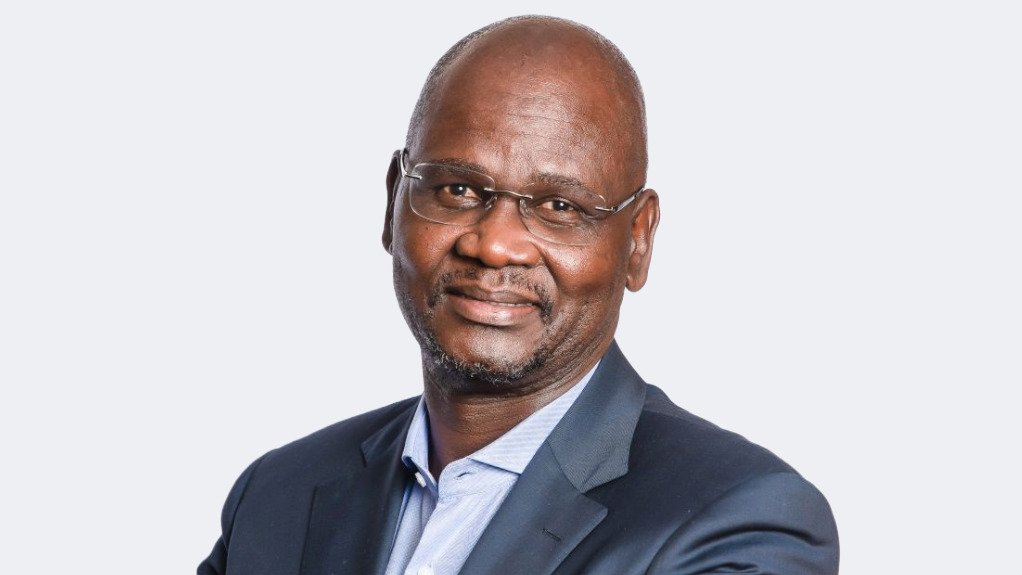
The Public Investment Corporation, which administers R3.7 trillion in South African state-worker pension funds, is seeking a buyer for Daybreak Foods, the wholly owned chicken business that has become synonymous with governance failure, animal cruelty scandals and financial collapse. Chairman David Masondo confirmed plans to sell more than 60% of the company, acknowledging that the PIC became the sole shareholder by default rather than design. The asset manager has poured R1.7 billion into the poultry producer over the past decade, culminating in a business rescue process initiated in June 2025 .
Daybreak still supplies approximately 6% of South Africa’s chicken market, a country that produces close to 1.7 million tons of poultry protein annually. The local industry is dominated by Astral Foods, in which the PIC holds a 24% stake, and Rainbow Chicken, majority-owned by Johann Rupert’s Remgro. According to recent trading updates, Astral expects first-half earnings to increase more than fivefold, while Rainbow reported an 11.3% revenue rise to R8.8 billion, underscoring the stark contrast between Daybreak’s collapse and the broader sector’s robust performance .
The PIC’s troubles with Daybreak began long before the business rescue filing. Established in 2001 and originally part of the Afgri agricultural services group, the company was acquired by the PIC for R1.19 billion in 2015 under a black economic empowerment consortium led by Matome Maponya Investments. At the time, the PIC framed the deal as aligned with its mandate to advance transformation in agriculture, one of the country’s least transformed sectors, while enhancing food security and rural job creation. The asset manager expected both financial returns and developmental impact.
READ – Richard Manzini takes over as CEO of Daybreak Farms
Those ambitions unravelled spectacularly. By mid-2025, Daybreak was placed under business rescue, with senior practitioner Tebogo Maoto describing the situation as requiring a restart from scratch. Only the hatchery and breeding sections remained operational, saving approximately 500 jobs from a workforce that had once exceeded 3,400. The business rescue plan revealed that the company had been unable to meet debt obligations due to widespread management breakdowns and governance lapses. Compounding the crisis, Altron Digital Business suspended IT services after Daybreak failed to honour payment agreements, disrupting payroll, supplier payments and due diligence efforts essential to the rescue process.
The animal welfare crisis proved the most damaging public blow. Investigations uncovered systemic failures in which more than one million chickens died or suffered prolonged distress. The National Council of SPCAs described the situation as a grave and morally reprehensible failure, with images of emaciated birds packed into overcrowded sheds circulating widely. The Johannesburg High Court intervened in May 2025, ordering Daybreak to cease inhumane culling practices and provide adequate nutrition. The court criticised the company’s leadership for financial mismanagement of available funds, which directly contributed to the welfare catastrophe.
Political scrutiny has intensified. The Democratic Alliance has called for parliamentary hearings and an investigation by the Financial Sector Conduct Authority into the PIC’s oversight failures. Parliament’s Standing Committee on Finance was briefed that the Auditor-General identified 16 remedial actions relating to the Daybreak investment, with ten still in progress. PIC chief financial officer Batandwa Damoyi acknowledged that proper due diligence processes were not fully followed when funds were disbursed, a finding the Auditor-General deemed a material irregularity under the PIC Act. The committee heard that policies existed but were not enforced, pointing to weak accountability mechanisms and human error.
Daybreak forms part of the PIC’s unlisted portfolio, valued at approximately R127 billion. Masondo has acknowledged that other distressed assets exist within this portfolio, requiring specialist intervention to achieve turnarounds. For Daybreak, the path forward depends on finding an operational, strategic equity partner willing to invest in an asset that has lost both financial value and public trust. The business rescue practitioner has set an 18-month runway to secure such a partner, but the company’s history of leadership instability—including four CEOs resigning in four years—and unresolved creditor claims exceeding R140 million complicates any potential sale.
The PIC’s exit strategy reflects a broader reckoning. The asset manager has been criticised for repeated audit findings related to non-compliance with investment processes, even as its financial statements remained clean. In the Daybreak case, security for the investment was structured as a condition subsequent, meaning it was only meant to be registered after funds had already been disbursed—a practice the Auditor-General flagged as inherently risky. While the PIC has since corrected this, the damage to both the investment and the corporation’s reputation has been done
ALSO READ – CEO Resigns After 13 Months