
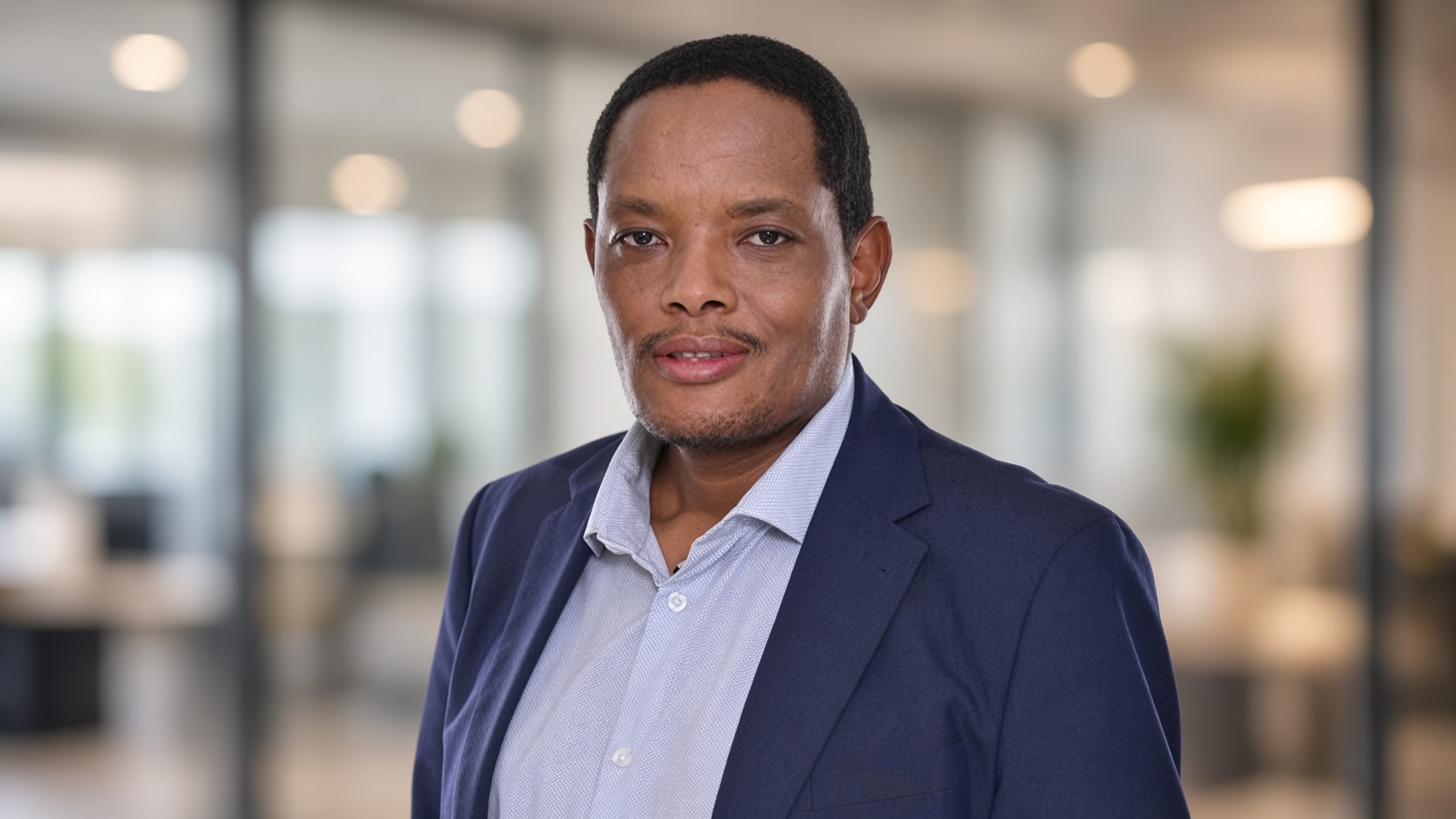
The Industrial Development Corporation (IDC) has announced that chief executive Mmakgoshi Lekhethe will leave the state-owned development finance institution on 28 February 2027. She and the board have reached a mutual separation agreement, which ends her tenure after just over two years.
In a notice to noteholders on 17 November, issued under the JSE’s Debt and Specialist Securities Listings Requirements, the IDC said Lekhethe was leaving to pursue other interests. Chief risk officer Mpho Kubelo will take over as interim chief executive when she leaves, while the board searches for a permanent successor.
The departure comes at a difficult time for the 86-year-old financier. In early September, chief financial officer Isaac Malevu resigned, a week after the IDC reported a R4.7 billion group loss for the year to March 2026 while recapitalisation talks were under way.
| IDC performance | 2024/25 | 2025/26 |
|---|---|---|
| Group profit/(loss) | R329m | (R4.7bn) |
| Group revenue | R21.7bn | R20.6bn |
| Company net profit | R1.8bn | R2.3bn |
| Funding approved | R13.3bn | R14.9bn |
| Funding disbursed | R16.3bn | R17.0bn |
| Transformation funding disbursed | R3.8bn | R3.5bn |
| Total assets (company) | R154.2bn | R166.8bn |
Before joining the IDC, Lekhethe was deputy director-general for asset and liability management at the National Treasury, where she started in 1996. Cabinet approved her as the IDC’s first woman chief executive in December 2024, and she took office on 1 February 2025.
Group earnings swung sharply during her term. The IDC went from a R329 million group profit in 2024/25 to a loss of about R4.7 billion in 2025/26. Most of the damage came from its majority-owned fertiliser producer Foskor, which lost R2.8 billion. Foskor lost about six weeks of production after mine flooding that killed two people. It was then hit by surging sulphur and ammonia prices after the Strait of Hormuz closed. The Mozal aluminium smelter in Mozambique, in which the IDC holds a stake, went into care and maintenance in March.
The core company did better. Net profit rose 27.8% to R2.3 billion, funding approvals climbed 12% to R14.9 billion and disbursements reached R17 billion. Transformation funding fell 7.9% to R3.5 billion.
The corporation has also been drawn into rescues of struggling industries. It has funded ArcelorMittal South Africa, where it holds a minority stake, and approved a further R500 million for the steelmaker since the 2026 year-end. More recently, it helped stop the liquidation of sugar producer Tongaat Hulett.
Board chairperson Gloria Serobe thanked Lekhethe for her service. Serobe took office in September 2025 at the head of a reconstituted board. She said that under Lekhethe the IDC had started repositioning itself as a more catalytic institution, putting more weight on mobilising capital and partnerships and on developing strategic value chains. This matches the view Trade, Industry and Competition Minister Parks Tau set out in April, that the IDC should move from being a traditional direct lender to a platform for developing industrial ecosystems.
Lekhethe said it had been an honour to lead the corporation. She thanked its leadership and employees for their support.
The board appointed Kubelo under the IDC’s policy on nominating directors, in line with the rules on board composition in the Industrial Development Corporation Act of 1940. It said the interim arrangement would keep leadership continuous and stable during the transition.
The choice of a permanent successor matters beyond the IDC. As the state’s main industrial financier, the corporation is central to government efforts to protect steel, chemicals and agro-processing capacity, and it has to weigh that role against pressure on its own balance sheet. The IDC said it would announce the permanent appointment in due course.