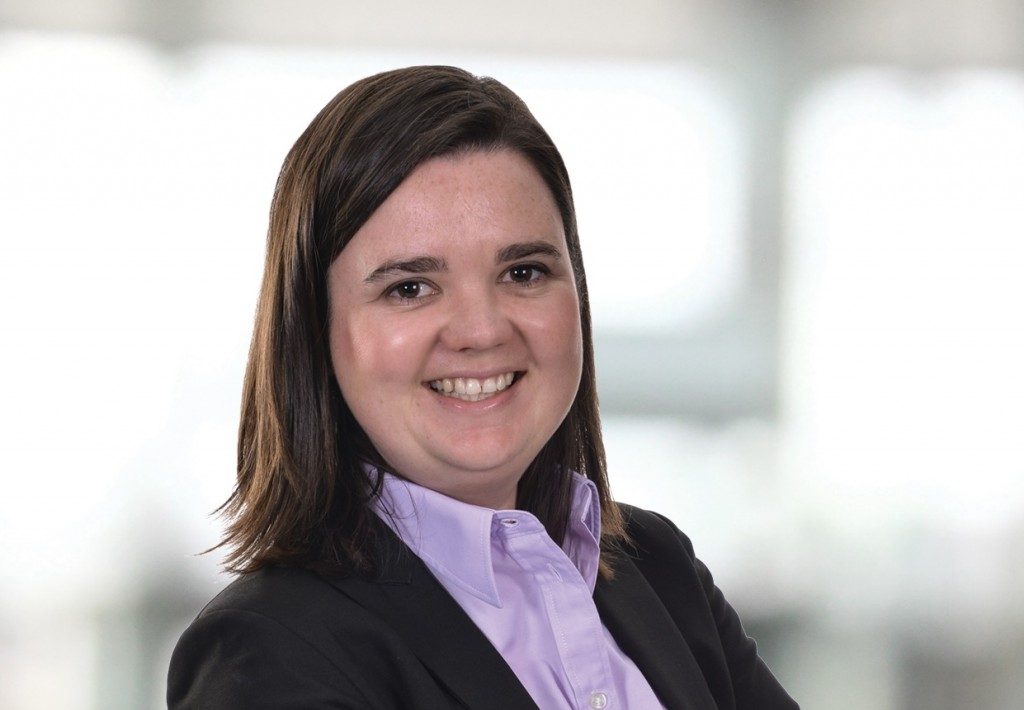
Attacq chief executive Jackie van Niekerk has been appointed chair of the South African Reit Association, taking charge of the industry body as the listed property sector moves out of a prolonged repair phase and into what its members describe as a fresh growth cycle underpinned by firmer investor confidence and renewed capital raising.
Her appointment ends the tenure of Growthpoint chief executive Estienne de Klerk, who steered the association through the Covid-19 downturn and the recovery that followed, a period in which balance sheets were rebuilt and investor trust gradually restored. Van Niekerk assumed the role after the association’s annual general meeting in Johannesburg on 20 July, at a point when South African real estate investment trusts are emerging from several years of restructuring aimed at reducing debt and stabilising earnings.
READ – Attacq’s R2.7bn deal with government explained
| SA listed property | Figure |
|---|---|
| Total return 2025 | 38.6% |
| Total return 2024 | 35.8% |
| Market capitalisation | Above R350bn |
| Equity raised in 2025 | More than R11.4bn |
| Global Reit Alliance | 24 countries, ~98% of ~$2-trillion market |
The handover comes against improving sector numbers. Listed property delivered a total return of 38.6% in 2025, following 35.8% in 2024, two consecutive years of strong performance that mark a decisive break from the pandemic-era slump. Market capitalisation has climbed above R350bn, and member companies collectively raised more than R11.4bn through oversubscribed equity bookbuilds during 2025, a signal that institutional appetite for the asset class has returned after a long absence.
Van Niekerk framed her priority as sharpening the investment case for South African Reits among both domestic and international investors, through clearer strategic focus and stronger accountability. Positioning the sector as a credible asset class for global as well as local capital sits at the centre of that agenda, a message that carries added weight as the association deepens its international ties.
During De Klerk’s chairmanship the body updated its best-practice recommendations for listed property companies and widened its engagement with regulators, government and investors. It also joined the Global Reit Alliance, launched in Stockholm in September 2025, a grouping of Reit associations from 24 countries and regions whose members represent roughly 98% of the world’s approximately $2-trillion listed Reit market. That membership gives South African landlords a seat at a table where global standards and investor norms are increasingly set.
The leadership change is accompanied by a restructuring of the association itself. Its seven standing committees have been consolidated into three portfolios covering accounting, regulation and taxation; markets, research and investor engagement; and transformation. A legal and competition-commission function will operate as a cross-cutting advisory capability across all three, an operating model intended to streamline the body’s work and make its engagement with policymakers and investors more coherent.
READ – Attacq Appoints Peter de Villiers as Permanent CFO
De Klerk will stay on as strategic adviser to the executive committee, a step the association said would preserve institutional memory and provide continuity through the transition. That arrangement reflects a deliberate effort to avoid disruption at a moment when the sector is trying to convert improved sentiment into sustained capital inflows.
Van Niekerk brings relevant grounding to the role. She previously chaired the association’s marketing and conference committee and is a former president of the South African Property Owners Association, giving her long exposure to the sector’s institutional and advocacy structures. At Attacq she has overseen a period of expansion built around Waterfall City, the mixed-use precinct between Johannesburg and Pretoria that ranks among the country’s largest property developments and has become a template for integrated, node-based development.
Her challenge now is to translate two years of strong returns and reopened capital markets into a durable growth phase, at a time when interest-rate uncertainty still shadows the sector and the competition for global capital remains intense.