

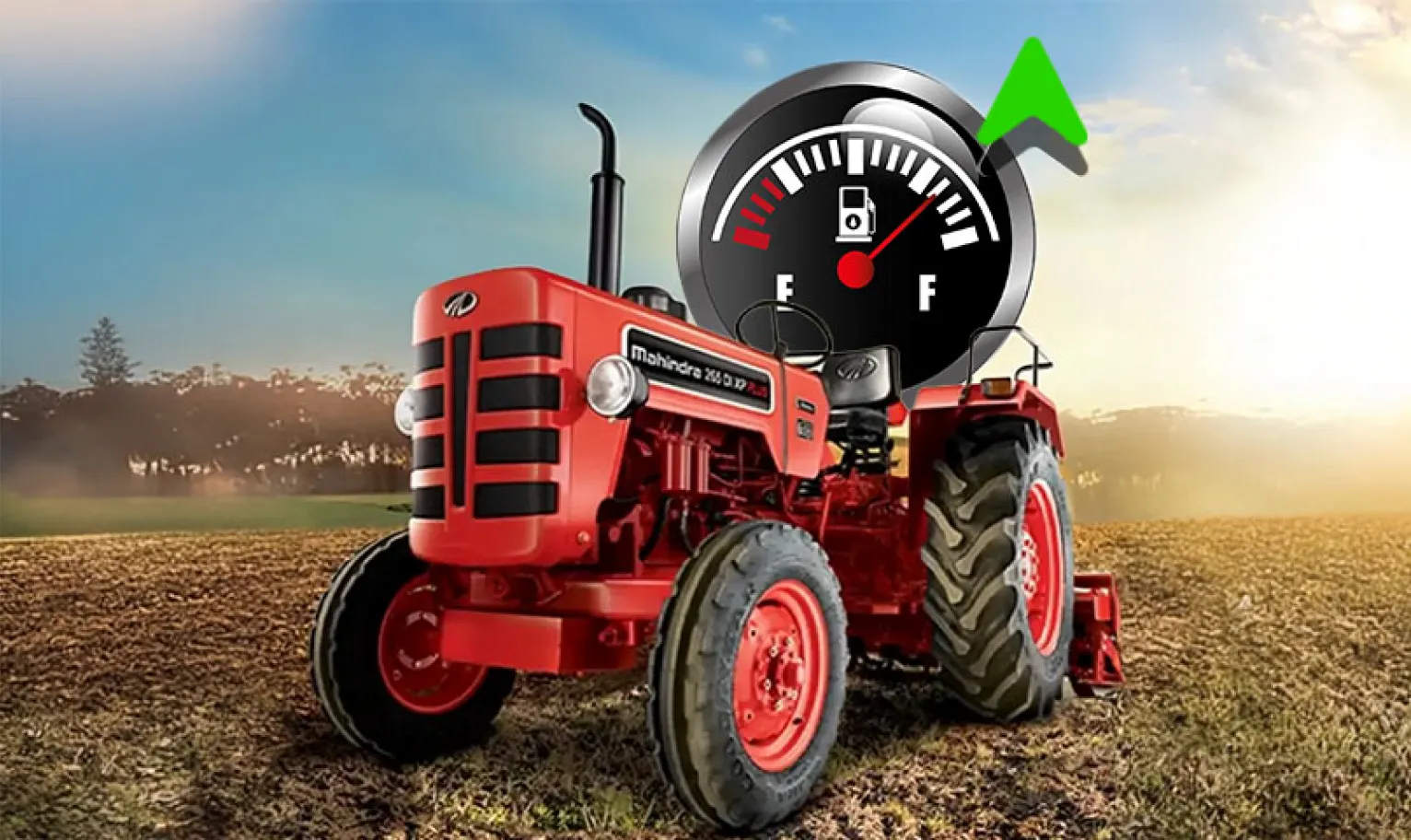
South African farmers are entering the critical winter planting season under an unprecedented financial squeeze following a sharp escalation in fuel prices triggered by the war between Iran and the United States. From today, 1 April, petrol has increased by R3.06 per litre, while diesel prices have surged by R7.37 per litre for 0.05% sulphur content and R7.51 for 0.005% sulphur, representing one of the single largest monthly hikes in the country’s history. The increases come just as winter crop planting commences and the maize harvesting season approaches, placing farmers in a precarious position where input costs threaten to outstrip revenue.
In an effort to cushion the blow for consumers and businesses, the ministries of treasury and mineral resources and energy announced a temporary reduction of the general fuel levy by R3 per litre. The cut, effective from 1 April until 5 May, reduces the levy on petrol from R4.10 per litre to R1.10, and on diesel from R3.93 to R0.93. The government estimates that this one-month relief measure will cost approximately R6 billion in foregone tax revenue, with the policy to be re-evaluated monthly for the following two months. However, farmers have described the intervention as a drop in the ocean given the magnitude of the diesel hike, which affects virtually every stage of agricultural production from tilling and irrigation to harvesting and cold-chain logistics.
Wandile Sihlobo, chief economist at the Agricultural Business Chamber of South Africa (Agbiz), noted that fuel accounts for a notable share of input costs across various agricultural value chains, with exposure intensifying during the harvesting and planting windows. With winter crop planting starting in April and maize harvesting beginning in May, these high-use periods will impose immense financial strain on farmers who must decide whether to absorb costs or pass them on to consumers. The government has assured the public that national fuel stocks remain sufficient to meet current and projected demand, but acknowledged that reports of shortages in certain areas are largely due to localised distribution and logistical challenges driven by panic buying rather than a lack of supply. Both the departments and industry bodies have encouraged responsible purchasing to avoid stockpiling, which risks creating temporary supply friction.
The security implications of panic buying have already materialised. Setjhaba Ramabenyane, a mixed farmer in the Free State, said that during the March panic-buying phase, diesel trucks became targets for criminals, with hijackings reported as the commodity transformed into a high-risk asset. He noted that the price hike has rendered previous financial projections obsolete, forcing farmers to scrap budgets and recalculate break-even points. In response, Ramabenyane is exploring the replacement of diesel-thirsty tractors with drones for field spraying, aiming to eliminate a significant portion of his fuel consumption during critical maintenance periods by moving toward unmanned aerial vehicles.
READ – How South Africa’s Farmers Beat US Tariffs
The financial burden extends beyond fuel itself. Sihle Petela, a livestock and crop farmer in the Eastern Cape, said that while fertiliser supplies remain available, prices have also risen sharply in tandem with energy costs, creating a double burden for producers. Fertilisers are highly energy-intensive to manufacture, and any sustained increase in oil prices translates directly into higher input costs for nitrogen-based products. Lebogang Mashigo, a commercial egg farmer in Mpumalanga, has already adapted her business model to protect margins. She has scrapped free delivery options for clients, instead charging customers based on kilometres travelled and encouraging pre-orders with farm-gate collection to minimise time on the road. Mashigo confirmed that she will increase product prices to cover diesel costs, acknowledging that the traditional model of bundling transport into the product price is no longer sustainable.
Industry bodies have framed the crisis in structural terms. According to a joint statement from AgriSA and Agbiz, the current situation does not appear to be driven by a single identifiable factor but rather by a combination of global oil market volatility, supply chain dynamics, and behavioural responses within the market. Fuel typically accounts for between 12% and 18% of total agricultural production costs in South Africa, a share that rises significantly during peak planting, harvesting, or transport periods. Any disruption in availability at these critical junctures poses a direct risk to food production, supply chains, and ultimately food security. The organisations emphasised that pricing signals play a critical role in such conditions, and that the government’s levy reduction, while welcome, may prove insufficient if the conflict persists beyond the one-month window.
For consumers, the ripple effects will be felt at retail level. Maize, South Africa’s staple crop, is highly diesel-dependent from planting through to milling. The combination of higher fuel and fertiliser costs is likely to translate into elevated food inflation in the second half of the year, hitting lower-income households hardest. Farmers, meanwhile, face an agonising calculation: reduce planted area to limit exposure, absorb losses in the hope of better prices later, or invest in capital-intensive alternatives such as drones and renewable energy systems that require upfront capital many cannot access. As Ramabenyane put it in his assessment of the moment, whatever a farmer planned financially now no longer makes sense, meaning automatically everything increases.
ALSO READ – SA–Netherlands Digitise Farm Trade