
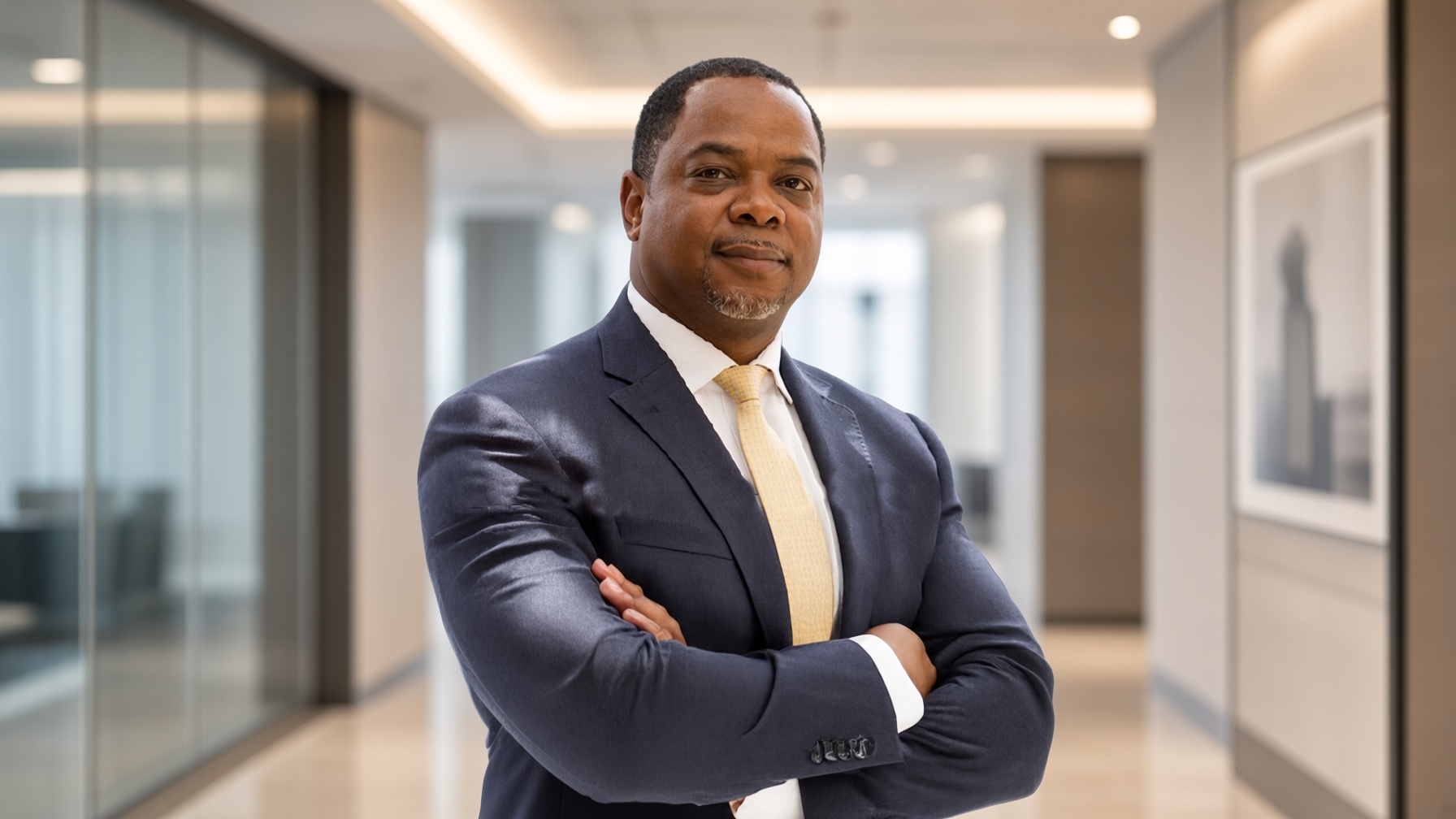
Citi has appointed Andre Ross, a near-decade veteran of JPMorgan, as chief country officer and head of banking for its South African business, ending his run at the rival lender. Ross previously served as managing director leading JPMorgan’s global corporate banking business across sub-Saharan Africa. At Citi, he replaces Peter Taylor as the bank’s senior executive in the country.
Citi first entered South Africa in 1920, withdrew, and returned in 1995 following the country’s democratic transition. Three decades on, it has grown into the country’s largest foreign bank and its sixth-largest commercial bank overall, with capital and reserves that account for more than a quarter of all foreign banks’ capital in South Africa. On LinkedIn, Ross described South Africa as central to his identity ahead of his profession, and framed the appointment as a chance to deepen ties between the country and global markets.
The move lands amid a broader contest for scale in South African corporate and investment banking, a market foreign lenders have long found difficult to crack against entrenched domestic champions, chief among them Standard Bank.
Standard Bank’s corporate and investment banking arm remains the benchmark by scale, sitting on R1.5-trillion in deposits and R700bn in advances, against group-wide assets of more than R3.1-trillion. Having generated R74.4bn in revenue in the 2025 financial year, the division, led by Luvuyo Masinda, is targeting R100bn by 2028 through annual growth of 8%-12%, built around energy and infrastructure financing, trade corridors and critical minerals. That leaves its nearest domestic rival, Absa, some distance behind on R37bn.
Absa is not conceding the gap without a fight. Since Kenny Fihla took over as group CEO roughly a year ago, the bank has moved to poach senior talent directly from Standard Bank, including Zaid Moola as head of corporate and investment banking and Musa Motloung as strategic risk officer, part of a stated ambition to roughly double CIB revenue and secure a top-two share of wallet across African markets. Investec, Rand Merchant Bank and Nedbank round out the tier of domestic players with meaningful corporate banking books.
Foreign banks have found this contest harder to win, and some have simply left. French lender BNP Paribas wound down its corporate and investment banking operations in South Africa in 2024, closing a 12-year presence that began when the Reserve Bank approved its branch licence in 2012. HSBC followed a year later, exiting the market entirely and selling its South African assets to FirstRand and Absa.
Against that pattern of retreat, the foreign banks with the scale to remain are visibly investing in leadership rather than withdrawing. Deutsche Bank named Danelee Masia as its incoming chief country officer for South Africa last month. Bank of America this month expanded Simbah Mutasa’s mandate to head of investment banking for the whole of Africa, after he built out its South African investment banking business. Citi’s hire of Ross, engineered to succeed Taylor at the country’s largest foreign bank, fits the same pattern: a bet that experienced, locally networked leadership is what it takes to defend ground in a market where the biggest prize keeps growing, but so does the competition to win it.