
South African health technology company Healthbridge has launched a Beta version of Practice Agent, an AI-powered platform designed to help medical practices identify chronic patients who have fallen out of care and reconnect them to funded consultations, tests, and preventative screenings.
Embedded within the company’s cloud-based electronic health record (EHR) platform, Practice Agent continuously monitors patient populations, identifies missed care opportunities, and automates patient outreach on behalf of healthcare providers.
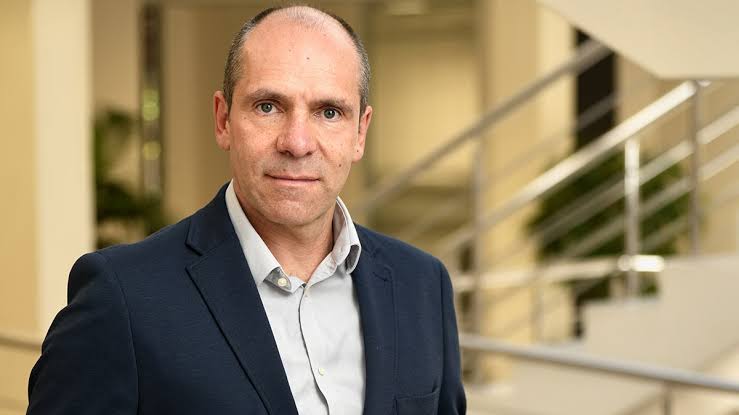
The launch comes as Healthbridge’s macroeconomic data modelling reveals a significant gap in chronic disease management across South Africa. “In feedback from doctors across our client base, common challenges emerge: patients whose prescriptions have lapsed, diabetics who missed their annual Haemoglobin A1c test, or hypertensive patients who have not returned since their benefits reset,” says Luis da Silva, CEO of Healthbridge. “While managing these ongoing care gaps represents a capacity challenge for busy practices, it highlights a profound opportunity to recapture lost care.”
Aligning with global clinical data, Healthbridge’s model reveals a stark reality: the average chronic patient utilises only two of the four medical aid-funded consultations available to them each year. Extrapolated nationally, this behavioural inertia equates to an estimated R1.2 billion in unutilised care, representing funded chronic healthcare that is fully available to South Africans, but simply never delivered.
South Africa’s chronic disease burden amplifies this challenge. Recent South African data highlights the severity of patient drop-off, revealing that six-month uninterrupted retention in care hovers at just 29.5% for hypertensive patients and 34.8% for diabetic patients.
This care gap compounds operational pressures for providers, with research showing that between 59% and 78% of doctors report symptoms of burnout. Clinicians simply lack the administrative runway to manually track thousands of individual patient journeys and complex medical aid benefit structures.
“These chronic patients are already known to the doctor’s practice, and the care is often fully funded by their medical aids. The challenge is identifying those care gaps, or rather care opportunities, across thousands of patient records and acting on them consistently. Practice Agent enables practices to do that at scale.”
How Practice Agent works
Practice Agent continuously analyses patient populations to identify missed consultations, overdue tests, and preventive screening opportunities. When a care opportunity is identified, with ratification from the doctor the platform contacts patients directly via WhatsApp, on the practice’s behalf and in the doctor’s name, to encourage appropriate follow-up care.
The doctor determines the rules governing patient engagement, retains full clinical oversight, and maintains control of patient data throughout the process.
The platform integrates patient records, medical scheme information, clinical workflows, and communication channels into a single care coordination layer within Healthbridge
Clinical. Rather than replacing clinical judgement, it automates many of the administrative tasks associated with ongoing patient management.
“Administrative work consumes a significant portion of a doctor’s time,” explains Luis. “By automating care coordination, practices can focus more attention on preventative care, chronic disease management, and patient engagement. These capabilities will become increasingly important as healthcare systems move towards value-based models that reward improved patient outcomes.”
The doctor as care orchestrator
Healthbridge believes agentic AI will increasingly support doctors in coordinating care across larger patient populations.
“The role of the doctor does not diminish,” says Luis. “The care orchestrator is a doctor who uses intelligent, automated systems to coordinate and personalise care at scale while retaining full clinical accountability for patient outcomes. Technology expands the doctor’s capacity to deliver personalised care to more patients, more consistently.”
He adds that governance and ethics must remain central to healthcare AI adoption.
“Agentic AI systems must be accurate, secure, unbiased, and appropriately governed. Poorly designed systems can reinforce inequities or influence clinical decisions in unintended ways. For South African healthcare organisations operating across diverse populations and fragmented systems, these are practical considerations that must be addressed from the outset.”
The challenge ahead is adoption: for doctors to partner with health tech companies to build the capabilities, workflows, and governance required to sustain and scale the impact of agentic AI. “Those who do will be best positioned to translate technological progress into meaningful and lasting clinical outcomes. The time for doctors to lead as care orchestrators is now,” concludes Luis.