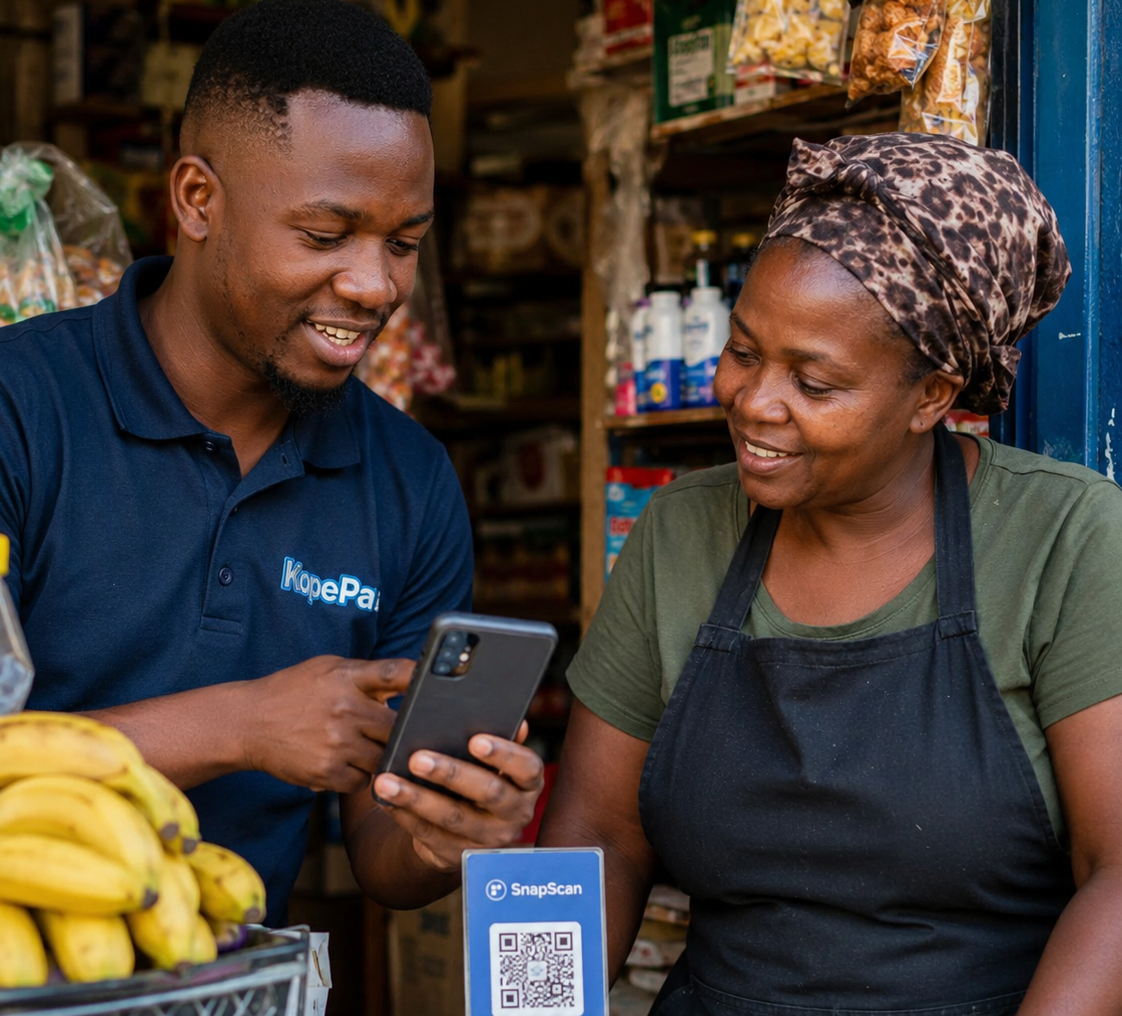
In many townships and local communities, cash remains the dominant way people pay for everyday goods and services. However, the growing use of mobile banking apps, QR codes and digital payment platforms is gradually changing how transactions take place in schools, churches, tuckshops and informal trading spaces.
Alongside this shift, there is increasing interest in how digital transformation may also contribute to addressing unemployment by creating new forms of community-based income opportunities.
In South Africa, unemployment remains one of the most pressing socio-economic challenges, particularly among young people. While traditional job creation remains essential, attention is also turning to smaller, more flexible income-generating activities that can operate at community level.
One emerging area is the role of local participants in supporting digital payment adoption. As more small businesses and community organisations transition from cash to digital payments, there is a growing need for assistance with setup, education and day-to-day use of these systems.
Some initiatives have begun training local residents to support this transition. These programmes typically include free training sessions, often arranged when community groups or organisations invite facilitators to demonstrate how digital payment systems work in practice.
The aim is to create income opportunities for unemployed people by providing training and access to a digital payment platform. This enables them to help local businesses, schools and community organisations accept and manage digital payments, while also making it easier for these organisations to adopt cashless systems. The model removes the need for upfront capital or infrastructure, allowing participants to earn a living through participation in the digital payments’ ecosystem.

Ongoing support and guidance is also provided in many cases, helping participants and the businesses they work with adapt to digital payment systems over time. This includes troubleshooting, user education and assistance with onboarding new users.
In practical terms, this work often involves helping a tuckshop owner set up QR code payments, assisting a church with digital donations, or supporting a school in collecting fees electronically. Because these participants are based within the same communities, they are often able to communicate in familiar terms and build trust with users who may be new to digital payments.
However, the shift toward digital payments is not without challenges. Barriers such as digital literacy, trust in electronic systems, access to smartphones and reliable connectivity continue to affect how quickly adoption can take place in some communities.
According to Thulani Ngwenya, Managing Director of AltarPOS, the focus is on creating accessible entry points into the digital economy for people affected by unemployment.
“For many people, the challenge is not willingness to work, but access to opportunities that do not require capital to begin,” he says. “By providing free training, a digital payment platform and ongoing support, we aim to help people start building sustainable income streams while helping businesses and organisations in their communities adopt digital payment solutions.”
While such models are still developing, they reflect a broader trend in which digital financial systems are not only changing how people transact, but also how local economic participation is structured.
For communities facing persistent unemployment, the significance lies not only in the adoption of digital payments, but in the possibility of new, flexible forms of participation in the local economy.