Nedgroup Investments’ annual Best of Breed™ fund manager survey has found that despite notable progress in measuring investment-related greenhouse gas emissions, there is still room to improve alignment with global net-zero goals and decarbonisation glidepaths.
The findings, published in the firm’s 2025 Responsible Investment Report, reveal an industry measuring climate risk with growing sophistication while still facing challenges in translating that measurement into portfolio-level action.
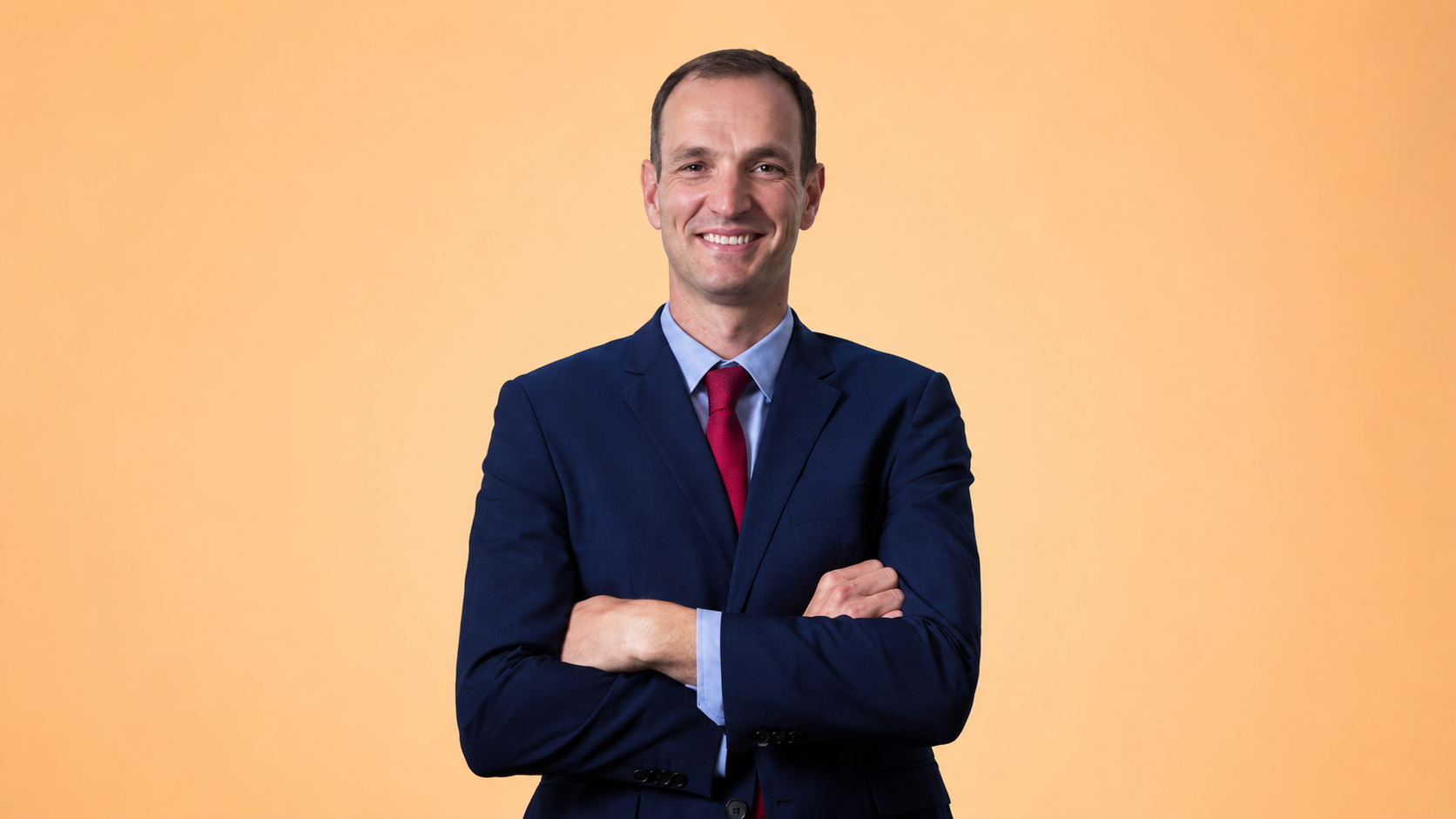
David Levinson, Head of Responsible Investment at Nedgroup Investments, emphasises that responsible investing is no longer optional in a rapidly changing world. Levinson argues that investors must now navigate an environment where “sustainability, technology, economics and geopolitics are increasingly intertwined.” He explains that modern investment management requires a deeper understanding of environmental and social risk alongside traditional financial analysis.
A central concern highlighted in the report is the widening gap between climate measurement and meaningful climate action. Although many investment portfolios now measure greenhouse gas emissions and climate-related risks, the report argues that measurement alone is no longer enough. Around 74% of assets under management are covered by emissions measurement systems, yet significant work remains in establishing comprehensive climate targets and transition strategies.
The introduction of the Climate Change Act and Carbon Tax Phase 2 marks a major shift in how carbon-intensive industries will operate in the future. Carbon pricing has increased significantly, reaching R308 per tonne of CO₂e, while penalties for exceeding emissions budgets may rise even further. These developments create financial pressure on companies that fail to develop credible decarbonisation strategies. Nedgroup Investments stresses that while carbon offsets and tax allowances may provide temporary relief, they should not replace long-term transition planning and operational change.
Another major theme is artificial intelligence and its role in responsible investing. AI technologies are increasingly being used to analyse complex sustainability data, including satellite imagery, supply chains and emissions patterns. Levinson explains that machine learning tools allow investors to move “beyond static snapshots toward dynamic, forward-looking assessments” of sustainability performance. According to him, AI can improve the quality of investment analysis by helping investors better understand emissions trajectories, biodiversity risks and social challenges across global markets.
However, Levinson is equally cautious about the environmental cost of technological expansion. The report notes that the infrastructure supporting AI, particularly large-scale data centres, consumes enormous amounts of electricity and water. Levinson warns that responsible investors must ensure “AI-driven growth aligns with climate goals, rather than becoming a hidden source of emissions and resource strain.” This balanced approach reflects the report’s broader philosophy: innovation must be encouraged, but not without accountability and sustainability oversight.
To strengthen accountability within its own operations, Nedgroup Investments refined its responsible investment framework, inspired by economist Kate Raworth and her Doughnut Economics model. The framework combines the company’s internal DEAL model , Data, Engagement, Active Ownership and Leadership, with four major sustainability priorities: climate change, biodiversity, social equity and human rights. The goal is to connect internal investment processes with measurable real-world outcomes and to treat responsible investing as an ongoing journey rather than a fixed destination.
Rather than claiming sustainability challenges have been solved, the report openly acknowledges the trade-offs, uncertainties and complexities involved. At the same time, Levinson maintains an optimistic outlook, concluding that “responsible investing is one of those spaces where a rising tide does indeed lift all boats.” In a year where ESG faced increasing political and economic resistance globally, the report argues that transparency, engagement and long-term stewardship remain critical tools for building sustainable financial systems.