
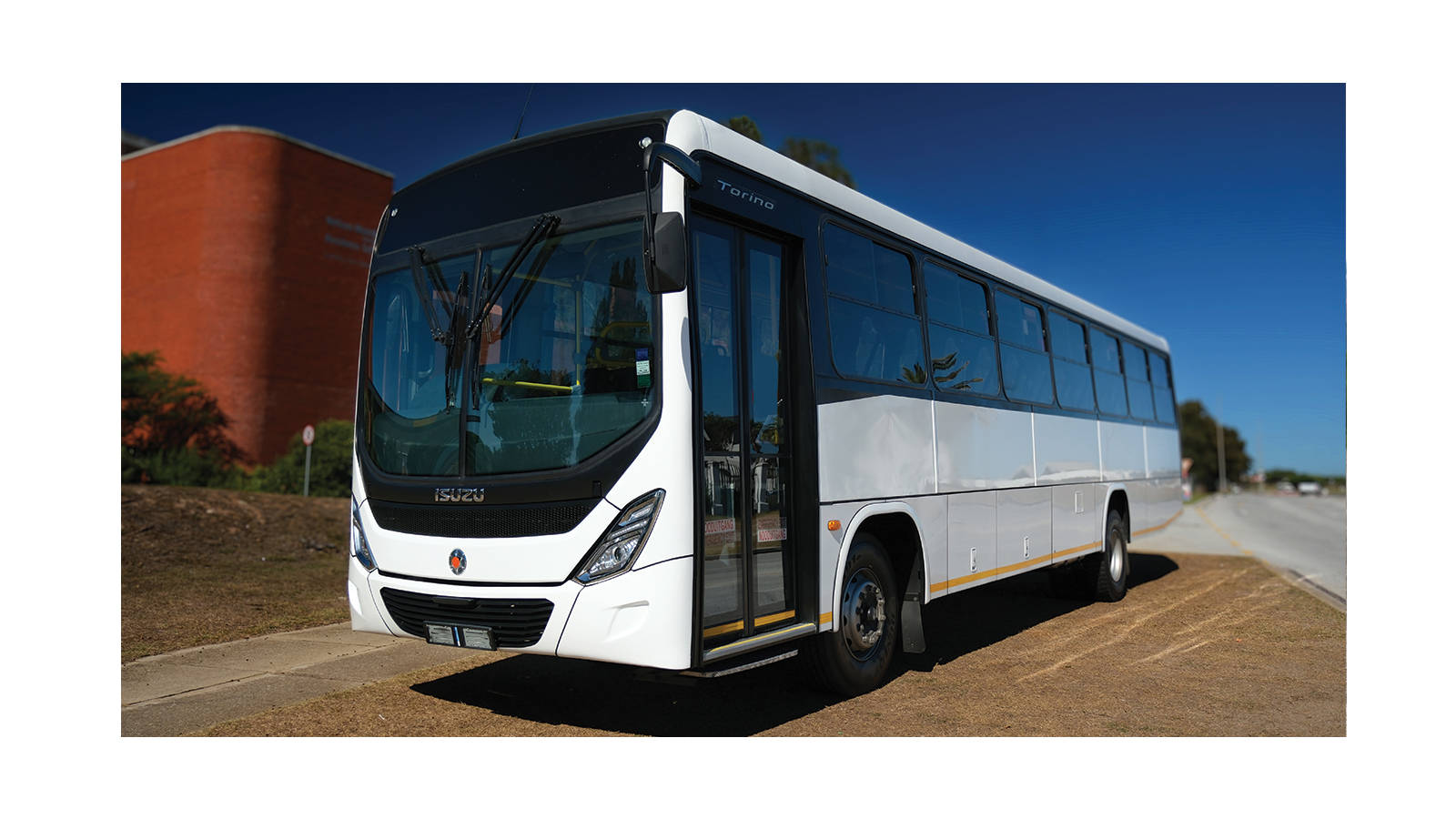
The ZANU PF Manicaland Youth League has channelled a US$200,000 allocation from the Presidential Youth Empowerment Fund into a new public transport enterprise, Manica Go. This strategic investment aims to cultivate capital for sustainable growth, with a long-term vision of distributing resources to grassroots structures across the province. The initiative, which commenced operations last week, introduces two modern buses to the busy Mutare–Harare route, promising enhanced safety and reliability for commuters .
This venture is a direct outcome of the Presidential Youth Empowerment programme, inaugurated by President Emmerson Mnangagwa last year.
The programme allocated US$200,000 to each province to stimulate meaningful business ventures, with the expectation that these projects would generate sustainable funding for youth empowerment, moving beyond one-off disbursements. Manicaland provincial youth chairman, Cde Stanley Sakupwanya, lauded President Mnangagwa for establishing the revolving fund, characterising it as a transformative resource that has enabled young people nationwide to initiate vital commercial projects .
The decision to invest in the transport sector was driven by its potential for rapid capital multiplication, with plans to reinvest profits into a diverse portfolio of sustainable projects throughout Manicaland. The introduction of Manica Go buses has already created employment opportunities for drivers and conductors, addressing a critical need for job creation within the region. The public transport sector in Zimbabwe, while facing challenges, is experiencing growth, with customer preferences leaning towards affordability and convenience, making it a strategic area for investment.
Sakupwanya underscored the professional ethos guiding Manica Go, asserting that the company operates as a dedicated business entity with a clear mandate to deliver tangible results. He conveyed the youth league’s determination to honour the President’s trust in the youth, aiming for Manica Go to serve as a leading example for other provinces. This commitment to professionalism and accountability is crucial for the long-term success of such youth-led initiatives.
Beyond the US$200,000 provincial fund, the ruling party is actively pursuing various other youth empowerment initiatives. Notable among these are programmes providing affordable residential stands in Chipinge District, which have enabled numerous young people to become homeowners. Additionally, the Presidential Heifer Pass-On Scheme, launched in 2022, continues to support rural households devastated by livestock diseases, aiming to restore livelihoods and ensure food security through a sustainable pass-on model.
These multifaceted programmes reflect a broader governmental strategy to foster economic participation and self-sufficiency among Zimbabwe’s youth. The Manica Go bus company, therefore, represents not just a commercial venture but a tangible manifestation of a national drive towards youth-led economic development and the strengthening of local infrastructure.