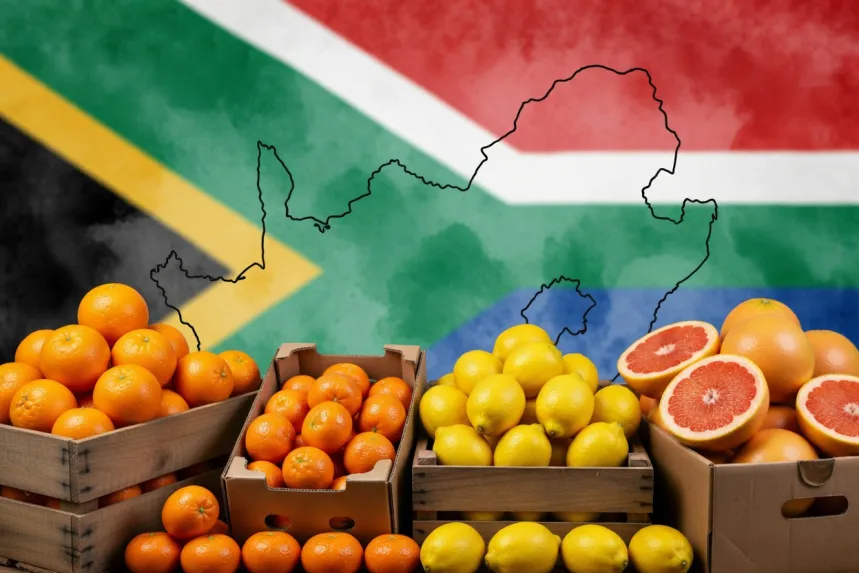
South Africa’s citrus export season is gathering momentum, with a consistent flow of fruit reaching markets in the Middle East despite prevailing global shipping disruptions. The Citrus Growers’ Association of Southern Africa (CGA) has confirmed that while longer transit times and elevated shipping costs are now a reality, these challenges have not led to a significant diversion of South African citrus volumes to alternative markets.
Early consignments have successfully arrived in Middle Eastern destinations, albeit with extended delivery periods due to adjusted shipping routes.
Crucially, feedback from these markets indicates that the quality of the fruit has been well-maintained throughout the journey. Demand within the Middle Eastern markets remains robust and in line with initial projections, underscoring the strategic importance of this region for South African producers.
Shipping lines are actively accepting container bookings and are rerouting cargo via alternative pathways established in response to the closure of the Strait of Hormuz. This critical maritime choke point, which saw disruptions in early 2026, has necessitated longer voyages and increased operational expenses for global trade. However, these rerouted services continue to provide essential access to Middle Eastern ports, ensuring the continuity of supply chains.
Dr Boitshoko Ntshabele, CEO of the CGA, emphasised the commitment of South African suppliers to their Middle Eastern clientele. He noted that, based on current information, industry stakeholders are largely adhering to their original export goals for the region, which typically accounts for approximately 19 per cent of South Africa’s total citrus exports.
The situation, however, remains dynamic and subject to change as the season progresses. The CGA is diligently monitoring logistics, transit times, costs, and evolving market dynamics. This includes close observation of global supply trends to the Middle East from other producing regions, allowing for agile responses to any shifts in the competitive landscape.
To support its members through these complexities, the CGA has substantially invested in its data and market intelligence capabilities. It has also established specialist monitoring and review forums, providing key stakeholders with vital information for capacity planning within the logistics chain. This proactive approach ensures that the South African export citrus industry can remain responsive to market needs and maintain close communication with international buyers.
Ultimately, South Africa’s position is clear: fruit designated for the Middle East will continue to be shipped to the Middle East, with servicing these customers remaining a top priority unless there are dramatic alterations to the current operational environment.