

It is 22:30 on a Tuesday night.
A small business owner is still at their laptop, trying to finish a proposal due the next morning. The brief is clear, the ideas are there, but the system is not cooperating. Files won’t sync. Software needs updating. Something that should take 30 minutes stretches into 2 hours.
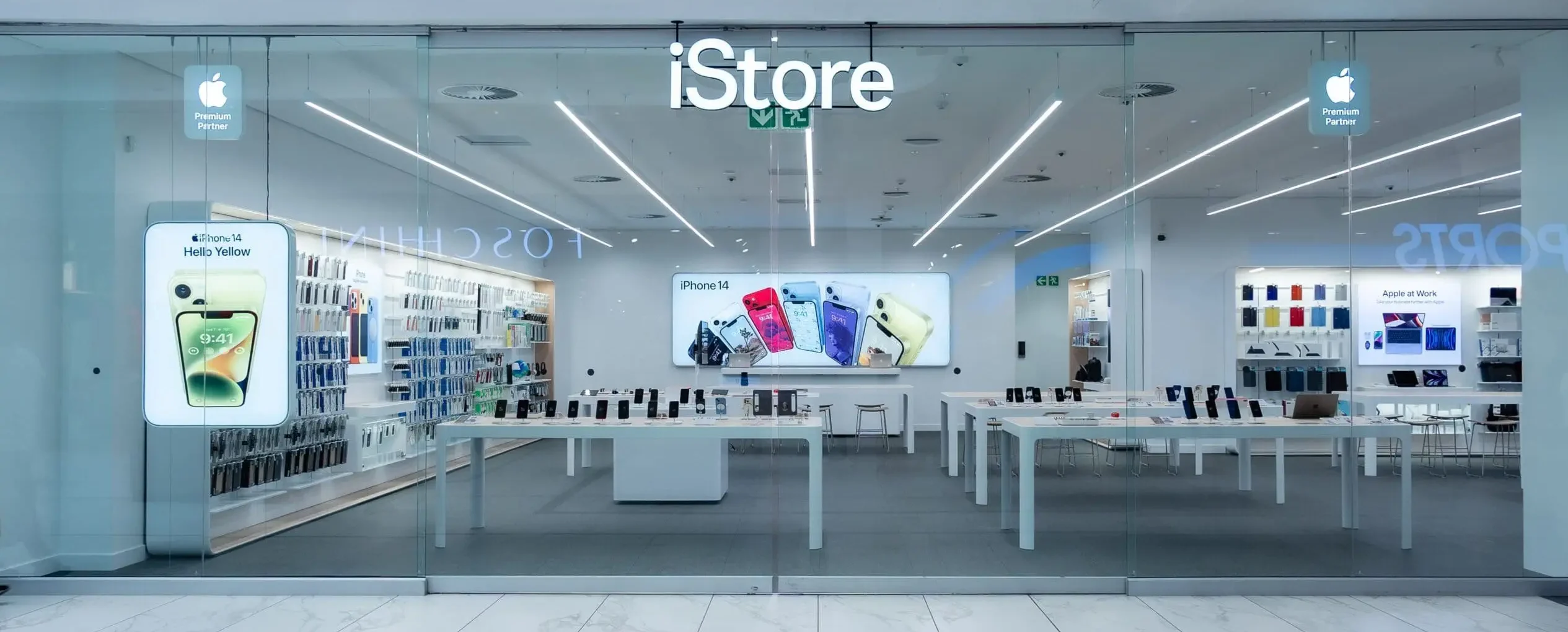
For many South African entrepreneurs, this is a familiar story. It is also the exact problem a new generation of tools and partners, including Mac and iStore, are increasingly trying to solve.
This scenario is playing out thousands of times every day across the nation, and it comes at a surprisingly high cost to the whole country.
Small and medium-sized enterprises are widely recognised as a critical engine of the economy, contributing significantly to employment and GDP. Yet, behind that contribution is an invisible cost that rarely gets measured: the time entrepreneurs lose to inefficient, unreliable or overly complex technology.
The Business Cost of Small Interruptions
For most SME owners, downtime does not come in dramatic failures. It shows up in small, constant interruptions.
A freelancer waits for a file to process before sending work.
A team delays a meeting because a device needs restarting.
A founder jumps between disconnected tools just to keep operations moving.
Files, documents and other digital assets corrupt or mysteriously go missing in the ether.
These moments seem minor, but they compound quickly.
What is lost is not just time, it is momentum. It is the ability to move quickly, respond to opportunities and operate with confidence. In a sector already facing structural challenges such as access to finance, regulatory complexity and high failure rates, these inefficiencies create an additional, unnecessary burden.
When Business Owners become IT Departments
As businesses grow, many founders find themselves taking on a role they never planned for: managing IT. Troubleshooting issues, managing updates, handling security concerns and trying to ensure that multiple devices and systems work together.
For large corporations, this is absorbed by dedicated IT teams. For SMEs, it becomes a distraction from the core business. It is time taken away from customers, strategy and growth.
A Shift Towards Frictionless Work
There is a growing realisation among SMEs that this model is no longer sustainable. Modern businesses are built on speed, flexibility, and constant connectivity. Technology is no longer a support function. It is the foundation of how work gets done.
This is where MacBook, supported by iStore, is increasingly changing the conversation. The MacBook is designed to operate within a seamless ecosystem, where hardware and software work together intuitively. This reduces the need for constant troubleshooting, minimises compatibility issues and ensures consistent performance across workflows.
For SMEs, this translates into something simple but powerful: less time managing technology and more time using it.
From Devices to a Complete Business Solution
The real shift, however, is not just the device. It is the ecosystem around it.
Through iStore, SMEs are not only accessing MacBooks, but an end-to-end support system designed specifically for growing businesses. This includes setup, ongoing support, device management, financing options, and training.
In practical terms, it means a SME does not need to build or manage its own IT infrastructure. Instead of reacting to problems, businesses are supported by a partner that anticipates and removes them. This significantly reduces downtime, simplifies operations and creates a more predictable, scalable environment for growth.
Reducing Downtime at its Source
One of the most significant advantages of the Mac ecosystem is its ability to reduce downtime at the source. With built-in security features, reliable performance and seamless integration with cloud-based tools, Mac supports the way modern SMEs already work: mobile, hybrid and always connected.
Combined with iStore’s support services, including outsourced IT guidance and account-managed solutions, businesses are able to operate with minimal disruption.
The result is not just fewer technical issues, but a fundamental shift in how work flows through the organisation.
Why this Matters for the Economy
When a single entrepreneur loses two hours, it is frustrating.
When thousands of SMEs lose those same hours every day, it becomes a national productivity challenge.
Given the role SMEs play in employment and economic growth, improving their efficiency has a direct impact on the broader economy. Reducing downtime, simplifying operations and enabling faster decision-making are not just operational improvements. They are economic enablers.
Enabling SMEs to do More
The opportunity, then, is clear.
South African SMEs do not need more complexity. They need systems that remove friction.
By combining the performance and reliability of Mac with the integrated support of iStore, SMEs are able to operate without the traditional barriers of IT complexity. They gain access to secure, scalable tools, predictable costs and ongoing support, all designed to help them move faster and work smarter.
In a business environment where every hour counts, this is not just a convenience. It is a competitive advantage.
Giving Time Back to Entrepreneurs
For the entrepreneur working late on a Tuesday night, the goal is not simply to finish faster. It is to spend less time fighting with technology and more time building something meaningful.
When systems work seamlessly, the working day changes. Decisions happen quicker. Teams collaborate more effectively. Growth feels achievable, not overwhelming.
That is ultimately what solutions like Mac and iStore offer.
Not just better technology, but something far more valuable.
Time.
Written by iStore Business