
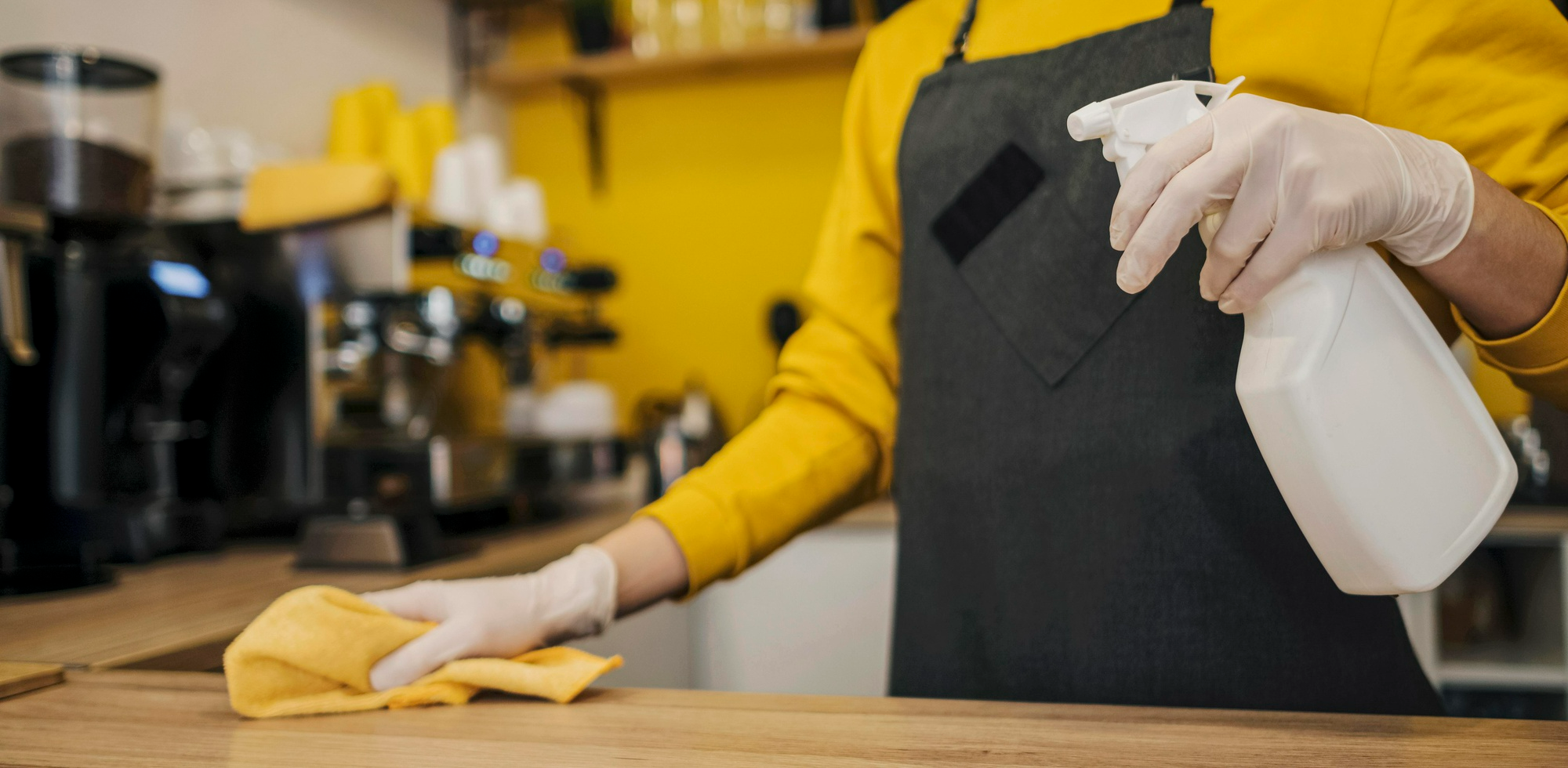
In 2026, cleaning standards are no longer a facilities issue. They’re a governance issue. For many corporates, what was once a line item in the facilities budget now appears on the corporate Risk Register.
The COVID-19 pandemic accelerated this shift, and over the past few years, large South African companies have increasingly moved hygiene into the realm of compliance, risk and ESG oversight.
Today, it is tracked, audited and reported — no longer an operational afterthought, but a measurable accountability standard.
But what about the Small and Medium Enterprise (SME) space?
“It’s often still treated as a grudge purchase,” says Jeffery Madkins, Marketing Manager for Unilever Professional. “We know this because we call on these businesses every week. Cleaning is frequently seen as a cost to minimise, not a risk to manage. And, that gap is becoming expensive for many.”
For Madkins, it’s not about negligence, but perspective. “When margins and cash flow are tight, business owners can’t help but put all their focus on revenue generation. Cleaning is simply operational. But when you strip away emotion and look purely at risk, the numbers tell a different story.”
He outlines the tangible hygiene-related risks for non-compliance that SMEs often underestimate:
- Fines of up to R50,000 under the OHS Act
- Temporary closure following health inspections
- Lost supplier contracts due to failed hygiene audits
- Increased absenteeism linked to poor sanitation practices
- Civil liability from slip-and-fall incidents
- Reputational damage amplified through online reviews
“For a small or medium-sized business, even a short closure period can be catastrophic,” Madkins notes. “A few days without revenue can undo years of hard work, a few weeks can close doors.”
He adds that the real shift in 2026 is not about intent, but about evidence. “It’s no longer enough to claim you clean. You have to prove you clean. Documentation, safety data sheets, proper chemical storage, staff training; these are increasingly expected, not optional.”
Cleaning has moved into the realm of governance.
So, what can business owners do? Madkins offers some practical steps:
1. Conduct a Hygiene Risk Audit
Identify high-risk areas: kitchens, bathrooms, warehouses, shared equipment. Not sure where to start? Begin with a walkthrough. Ask yourself:
- Where is food handled?
- Where do people touch most?
- Where is there water or moisture?
- Where could someone slip?
- Where are chemicals stored?
Those are your high-risk zones.
2. Document Cleaning Schedules
Set up daily, weekly, and monthly checklists per area, assigning a responsible person with a checkbox, signature, and date. For example:
- Bathrooms: Clean and disinfect twice daily
- Kitchen surfaces: Wipe down after every shift
- Floors: Mop daily
- Drains: Deep clean weekly
Remember to file them because if it isn’t recorded, you can’t prove it was done.
3. Verify Chemical Compliance
Know what products you’re using. Every cleaning product on your premises should have a Safety Data Sheet. These are supplied by the manufacturer or distributor and explain safe handling, dilution and storage. Then check:
- Are chemicals clearly labelled?
- Are they diluted correctly?
- Are they stored away from food areas?
- Are they kept out of reach of unauthorised staff?
Incorrect chemical use is one of the fastest ways to fail an inspection. If you can’t immediately access the safety information for a product, that’s a compliance gap.
4. Train Staff
Cleaning is only as good as the person doing it. Ensure staff understand:
- What needs to be cleaned
- How often
- Which product to use
- How to dilute it correctly
- When to wear gloves, masks or other PPE
Remember, an hour product training session is better than none — staff can’t meet standards they don’t know.
Cleaning standards are no longer about appearance. They are about protecting the business you’ve worked hard to build. For SMEs juggling cash flow, staff, customers and growth, hygiene can feel like just another operational task. But the risk doesn’t shrink simply because the business is smaller.
“Most SME owners are doing their best with limited time and resources,” notes Madkins. “This isn’t about adding complexity. It’s about simple systems that protect your people, your reputation and your right to operate. In 2026, hygiene is no longer invisible. It is measurable, auditable and expected. And with the right structure, it is entirely manageable,” he concludes.