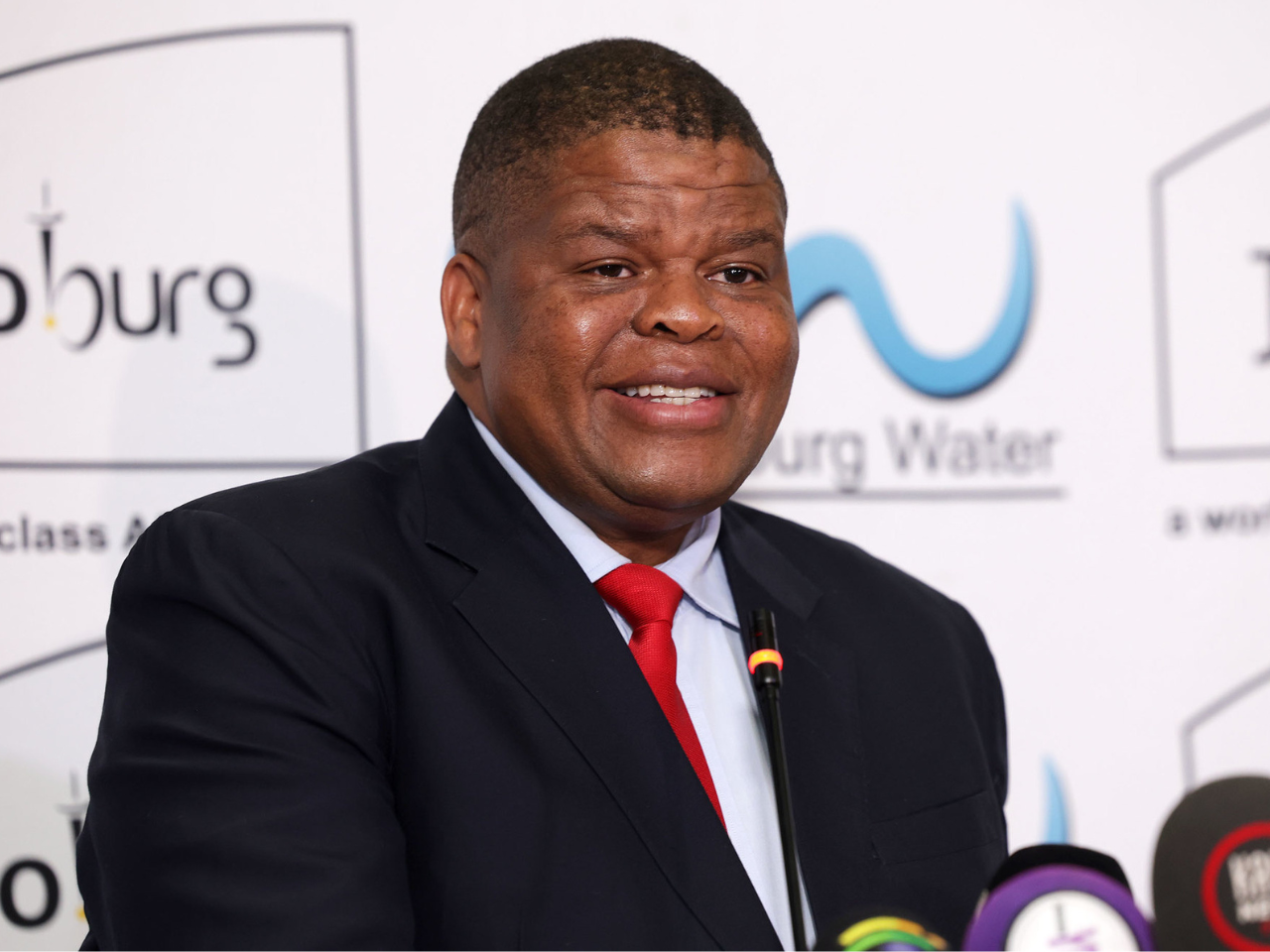
Water and Sanitation Deputy Minister David Mahlobo is leading a high-level delegation to Japan from 23 to 27 February to strengthen bilateral cooperation in water infrastructure and management, as South Africa confronts mounting losses and service delivery pressures in its municipal water systems.
The delegation includes senior officials from the Department of Water and Sanitation (DWS) and the Municipal Infrastructure Support Agency (MISA), with discussions centred on advancing an existing technical cooperation agreement with the Japan International Cooperation Agency (JICA). The agreement focuses on capacity building, disaster risk reduction and sustainable water management, building on earlier cooperation with Japan’s Ministry of Land, Infrastructure, Transport and Tourism.
The partnership has already supported the development of a Non-Revenue Water Training Programme at the DWS Infrastructure Branch Training Centre in Roodeplaat. With JICA’s assistance, a specialised training yard simulating municipal water systems has been constructed to strengthen practical skills in leak detection, pressure management and metering accuracy. Ten South African officials a year over the next three years will participate in training programmes in Japan, creating 30 accredited trainers tasked with cascading expertise across municipalities.
The visit comes as South Africa advances plans to establish a National Water Resources Infrastructure Agency, with the delegation set to engage the Japan Water Agency on governance and institutional models. Technical visits will include river basin and flood management systems.
According to the Department of Water and Sanitation, non-revenue water has been identified as a critical concern in more than 80% of assessed municipalities, reflecting widespread losses through leaks, illegal connections and billing inefficiencies. As reported by the World Bank, water losses in developing economies can exceed 30% of total supply, placing strain on public finances and infrastructure. The Japan engagement is positioned as part of efforts to reduce these losses and improve operational resilience.