

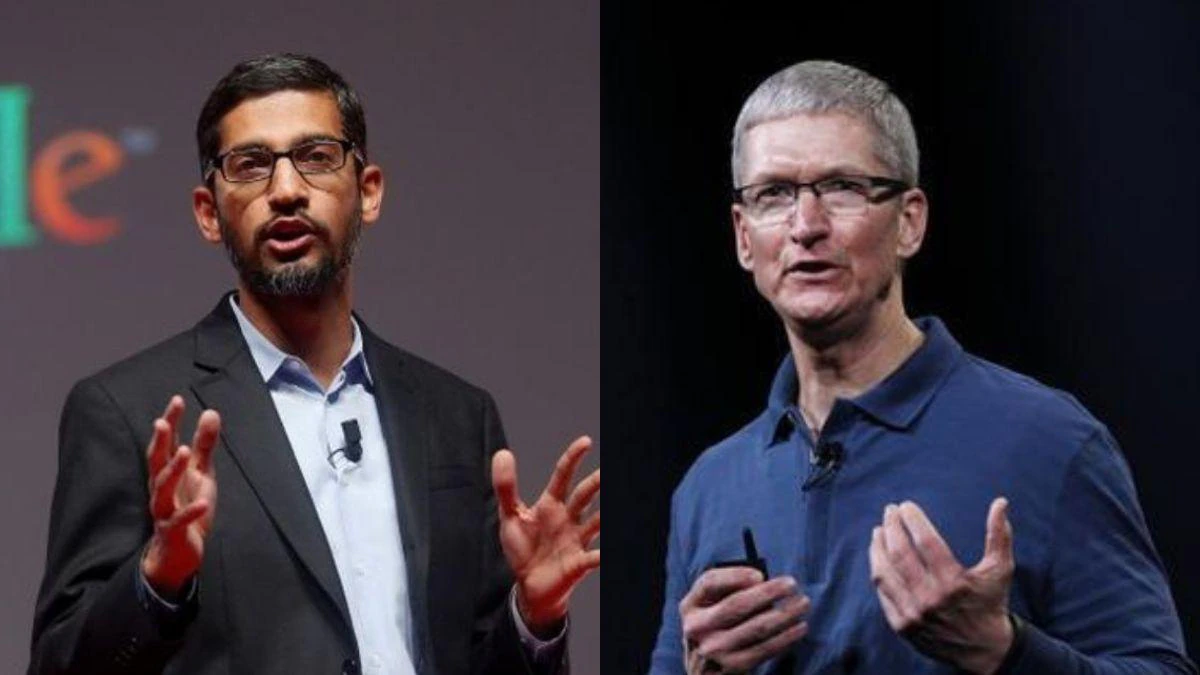
Alphabet Inc.’s Google and Apple Inc. are expanding generative artificial intelligence into music creation, embedding new tools into their flagship consumer platforms and intensifying competition across the technology and streaming sectors. According to Bloomberg, Google’s Gemini assistant can now generate 30-second music tracks from text prompts, photos or video inputs, marking the first time the company has integrated audio creation directly into its core AI product.
The feature uses Google DeepMind’s Lyria 3 model and allows users to create either instrumental tracks or songs with custom lyrics. It is available in multiple languages, including English, German, Spanish, French, Hindi, Japanese, Korean and Portuguese, and is restricted to users over the age of 18. The rollout began on Gemini’s desktop version and is expected to extend to mobile applications within days.
Google has also linked its music generation tool to its image model, known as Nano Banana, enabling the automatic creation of cover artwork for tracks shared through links. Access is tiered: free users can produce up to 10 tracks daily, while paying subscribers can generate between 20 and 100 tracks depending on their plan. The company stated that users retain rights to the music they generate and that safeguards are in place to prevent outputs that infringe intellectual property or replicate specific artists’ works.
The move strengthens Google’s consumer AI offering as it competes with OpenAI’s ChatGPT and other platforms for user engagement. Investor response to earlier releases of the Gemini model has been positive, reflecting expectations that AI-driven services can support advertising and subscription revenues. Integrating music generation expands Gemini’s functionality beyond text and image creation into audio, an area where monetisation potential includes premium features and creator tools.
Apple is pursuing a parallel strategy. The company will introduce Playlist Playground within Apple Music, allowing users to generate playlists from text prompts. The feature, part of the iOS 26.4 beta release, enables subscribers to create a curated list of 25 songs accompanied by AI-generated cover art and descriptive text. The wider release is expected in the spring.
Apple’s initiative places it in direct competition with Spotify Technology SA, which already offers AI-assisted playlist tools. Following Google’s announcement, Spotify shares briefly reversed earlier gains, while Sirius XM Holdings Inc. also recorded a short-term decline. Analysts indicated that while such developments are unlikely to disrupt Spotify’s core business immediately, they may accelerate the need for further AI-driven product enhancements.
The expansion of generative audio tools has drawn scrutiny from the music industry. Major record labels including Universal Music Group NV, Warner Music Group Corp. and Sony Music Entertainment have taken legal action against AI startups over alleged copyright infringement. While some disputes have been settled through licensing agreements, the litigation reflects ongoing tension between technology firms and rights holders over the use of copyrighted material in training data.
Google stated that its Lyria 3 model is trained on music content it is authorised to use under its terms of service and partner agreements. When users reference specific musicians, the system is designed to interpret the request as stylistic guidance rather than to replicate identifiable works.