Hyundai is gearing up to shake up the fiercely competitive mid-size pickup / bakkie segment with an all-new, body-on-frame model that its Australian chief executive has described as nothing short of revolutionary. Unlike previous collaborations, this forthcoming rival to the Ford Ranger and Toyota Hilux will be an entirely in-house creation, developed without any input from General Motors or a simple rebadging of the recently launched Kia Tasman.
Speaking to journalists at the Australian titles CarExpert and Drive, Hyundai Motor Company Australia chief executive Don Romano made clear that cutting corners is off the table. The company could have taken the easier route of adapting an existing platform from a partner, but such an approach would fall short of the ambitious standards now expected from the brand, especially as it seeks to establish a stronger foothold in the lucrative ute market Down Under.
Set to arrive later this decade, the yet-unnamed truck will ride on a traditional ladder-frame chassis and introduce what Romano teased as a distinctly different form of hybridisation. While ruling out a conventional plug-in setup, he strongly hinted at an extended-range electric vehicle architecture, where a petrol engine serves purely as an onboard generator to charge the battery pack that drives electric motors at the wheels. This configuration delivers the instant response and quiet refinement of a full electric vehicle while eliminating range anxiety for buyers who regularly venture beyond urban areas.
The technology aligns perfectly with Hyundai Motor Group’s recent global commitment to extended-range powertrains, with the conglomerate confirming that its first production EREV models will debut in 2027 boasting combined ranges exceeding 966 kilometres. As reported by Motor1, the system has been specifically engineered for larger, heavier vehicles that demand both long-distance capability and robust towing performance, making it an ideal fit for a work-focused mid-size pickup.
Hyundai’s push into the segment comes at a time when established players are facing fresh pressure from an influx of affordable Chinese rivals and the newly refreshed ninth-generation Toyota Hilux. Yet Romano remains confident that late arrival will prove an advantage, allowing the Korean manufacturer to leapfrog competitors with cutting-edge features and distinctive styling that cannot be found elsewhere in the class.
The Australian-specific model forms part of a broader pickup offensive that also includes a separate mid-size truck being co-developed with General Motors for markets in Central and South America, as well as another in-house project earmarked for North America before 2030. While it remains unclear how much component sharing will occur between the various programmes, each is expected to carry unique characteristics tailored to regional demands.
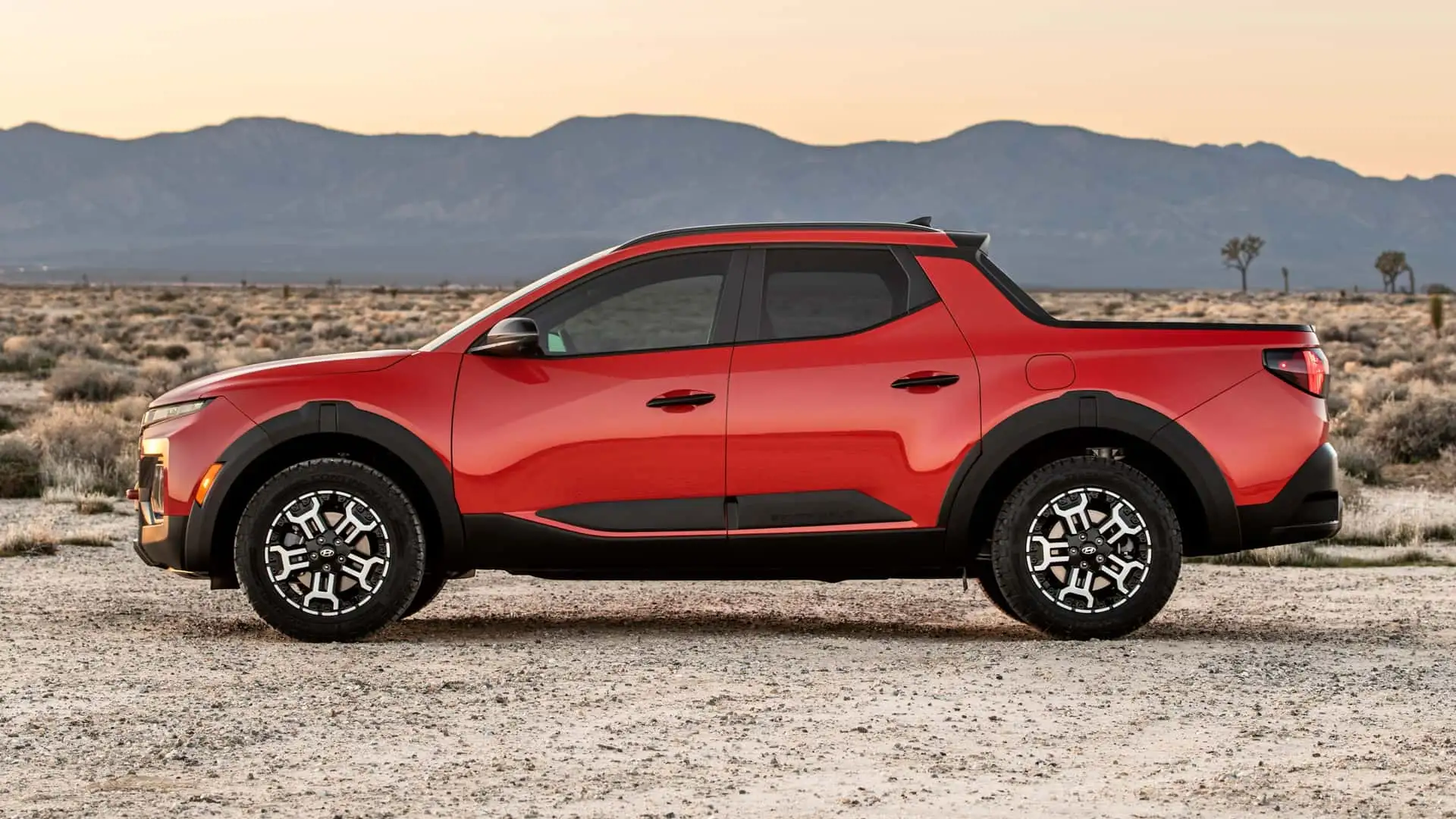
Having already found success with the unibody Santa Cruz compact pickup in the United States since 2021, and with the long-running Porter cabover truck serving domestic needs in South Korea for nearly five decades, Hyundai now appears determined to challenge the dominance of traditional body-on-frame heavyweights on their home turf. Industry observers suggest the bold strategy could mirror the disruptive impact the brand has previously achieved in segments ranging from family SUVs to high-performance hatchbacks.
With Australian buyers notoriously loyal to the Ranger and Hilux double-cab formula, Hyundai’s willingness to gamble on advanced electrification in a traditionally conservative corner of the market has generated genuine intrigue. If the finished product lives up to the lofty rhetoric, the delayed entry could indeed prove transformative, delivering a compelling blend of zero-emission urban running, extended outback range, and the rugged capability that has long defined the category.