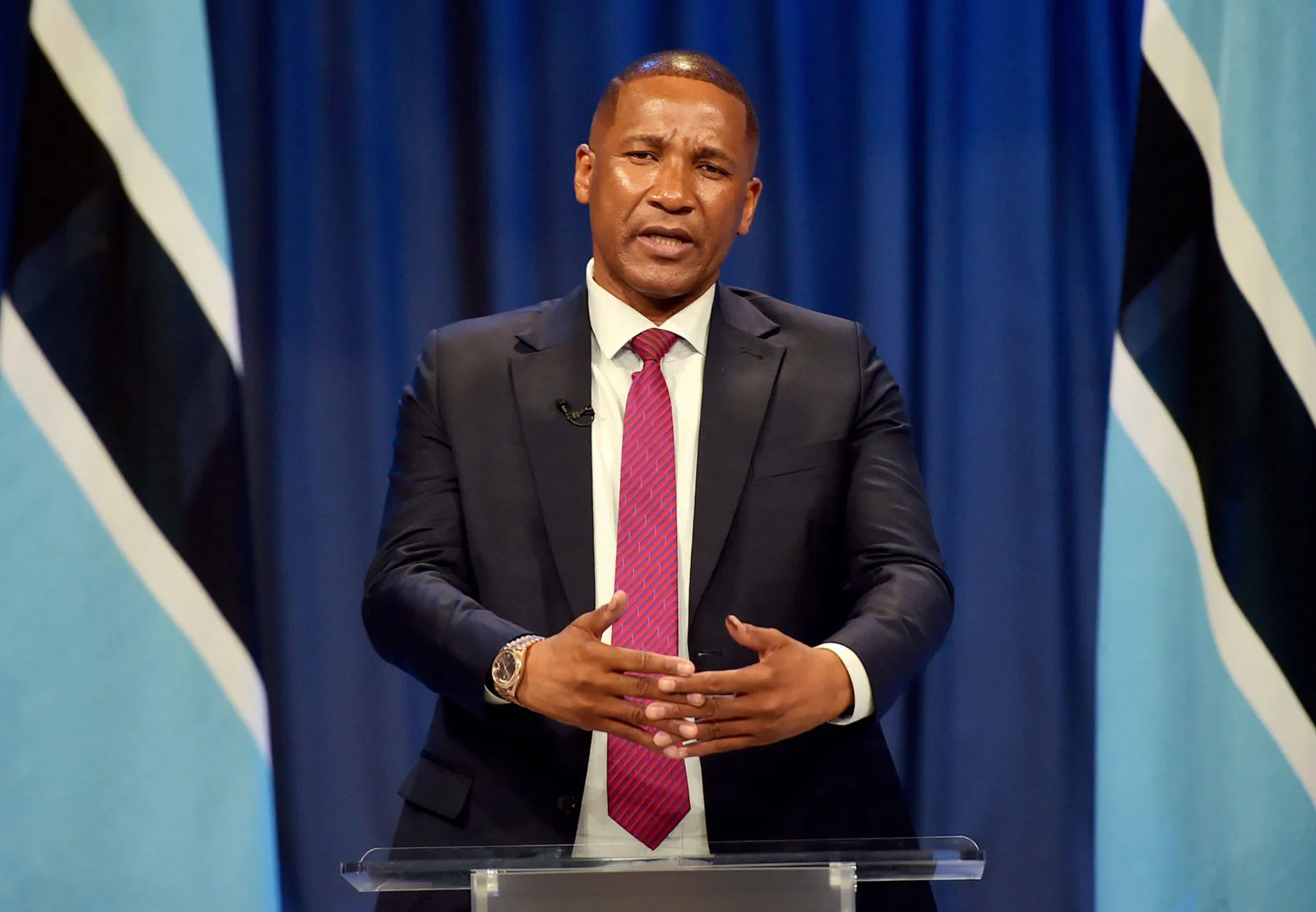
Botswana is actively pursuing a majority stake in the iconic diamond producer De Beers, with President Duma Boko confirming that tangible progress is being made towards securing Anglo American’s 85 per cent holding, according to Reuters. This development comes as the southern African nation seeks to strengthen its grip on a company that sources around 70 per cent of its rough diamonds from Botswana, viewing it as a vital national asset amid fluctuating global prices.
In his State of the Nation Address in Gaborone, the president emphasised the government’s intent to achieve controlling interest, highlighting ongoing efforts to acquire the shares as part of broader economic diversification while acknowledging diamonds’ enduring role in growth. The move aligns with Anglo American’s restructuring, which prioritises copper and other energy-transition metals, prompting the London-listed miner to divest its long-held De Beers position, valued at approximately $4.9 billion earlier this year.
Competition has intensified, with Angola submitting a bid for the full stake through its state-owned Endiama, potentially sparking regional tensions despite shared interests in revitalising natural diamond demand. Recent high-level discussions between the mining ministers of Botswana and Angola in Gaborone focused on potential share acquisitions in De Beers, though specifics remained undisclosed, fostering speculation about collaborative approaches rather than outright rivalry, as reported by Bloomberg.
Botswana currently holds a 15 per cent stake in De Beers, complemented by its 50-50 joint venture in Debswana, which dominates domestic production. Earlier ambitions under President Boko included finalising a deal by October 2025, with financing explorations involving partners such as Oman’s sovereign wealth fund. Although that timeline has extended into November, the pursuit reflects a shift towards greater resource sovereignty, enabling more direct influence over marketing, pricing, and the value chain in an industry challenged by lab-grown alternatives and weakened consumer sentiment in key markets like China.
The potential acquisition could reshape the global diamond landscape, granting Botswana unprecedented authority over one of the sector’s most storied names, established over 135 years ago. Investor consortia, including groups led by former De Beers executives, have also expressed interest since the formal sales process began in June, adding layers to the negotiations.
As the world’s top producer of rough diamonds by value, Botswana’s economy remains heavily reliant on the sector, contributing up to 80 per cent of exports and a third of government revenue. Recent downturns have prompted credit rating adjustments and underscored the urgency of securing greater control to mitigate vulnerabilities. With De Beers reporting a swing to losses in the first half of 2025 due to soft demand, a successful bid could position Botswana to steer recovery strategies tailored to African priorities.
This bold step builds on a landmark February 2025 sales agreement that gradually increases Botswanafixtures state-owned Okavango Diamond Company’s allocation from Debswana output to 50 per cent over a decade, extending mining licences to 2054 and providing substantial development funding. As talks evolve, the outcome may not only redefine Botswana’s economic trajectory but also inspire similar assertions of control by other diamond-rich nations across the continent.