
More than a year on, and two state reports later, the Madlanga Commission is at a crucial juncture. Fundamentally different to prior corruption enquiries, it could lay the groundwork for meaningful, long-term reform of South Africa’s criminal justice system.
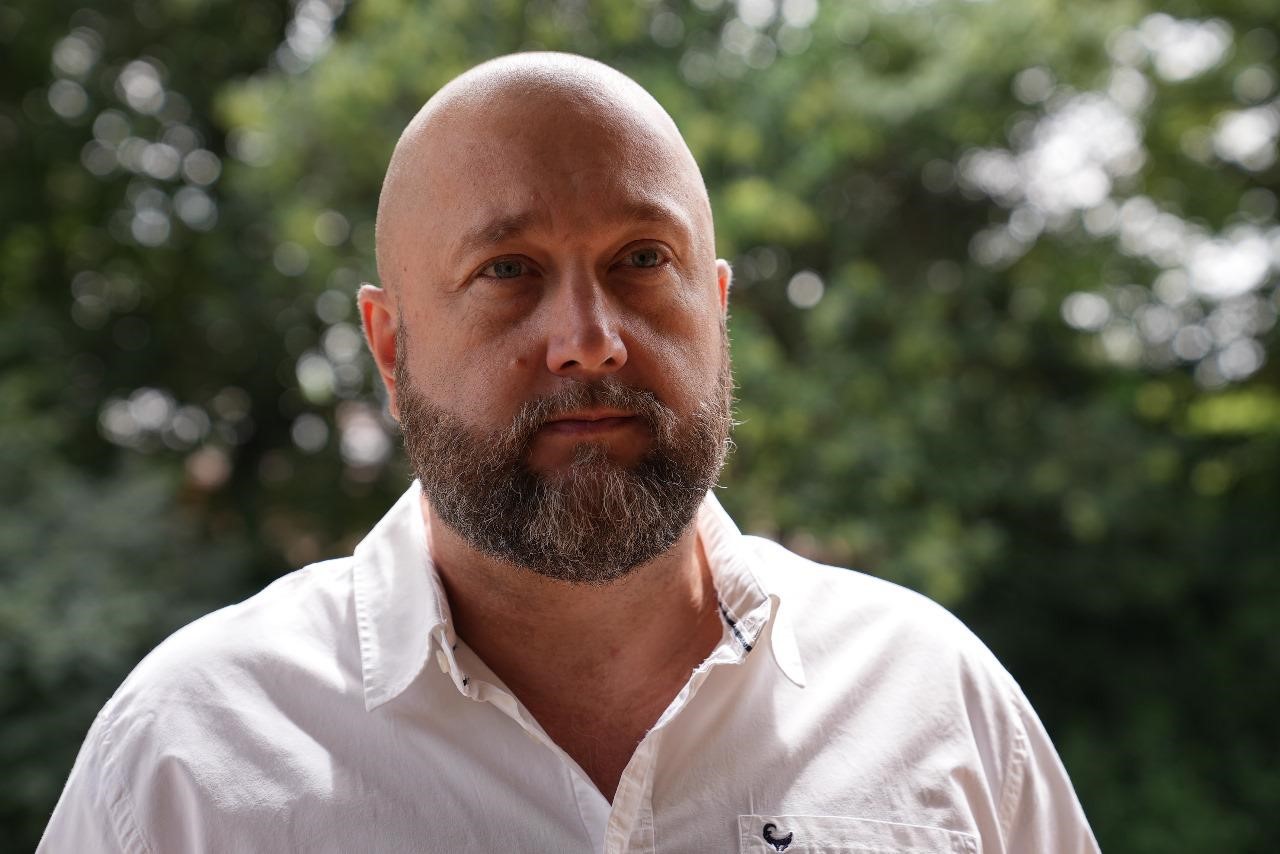
This is the opinion of Chad Thomas, leading authority on organised financial and violent crime, and CEO of IRS Forensic Investigators. Thomas spoke with award-winning journalist Alishia Seckam at PSG Financial Services’ latest Think Big webinar.
“Criminal syndicates have had unfettered access to the very top echelons of South Africa’s state security leadership for the past 26 years,” says Thomas. He argues that this is why we have one of the highest levels of violent crime globally. “We have a functioning democracy, fiercely independent Chapter 9 institutions and an equally fiercely independent media. Yet we rank as one of the five most violent societies in the world, falling into categories with countries like Haiti – that haven’t had a functioning administration for many years – and Afghanistan that has been at war for decades.”
Thomas says, “We could never really identify why we had this massive problem with crime. But the Madlanga Commission has given us that answer. It is the deficit of leadership and empire building within our policing structures that has led us to this horrendous situation – that we hope will now be undone”.
As criminal networks gain influence inside parts of law enforcement, the economic impact is substantial. “We are talking billions of rands in lost legitimate economic activity,” says Thomas.
“What started with the illicit economy – counterfeit cigarettes, liquor and illicit mining – is now permeating normal business. You no longer have a government tender without being extorted by a so-called ‘business forum’, which is really a mafia or cartel of sorts,” he says.
Thomas points to the example of a R1 billion contract to build a bridge linking a rural area of Kwazulu-Natal to the Eastern Cape. “The construction mafia demanded 30% of the value of that project, or they wouldn’t allow it to proceed. The project, which was ultimately shut down because of extortion-related violence, would have connected rural areas allowing for better service delivery and reducing levels of poverty in that area.”
As criminal syndicates become more emboldened, the functioning of a market economy is affected. Investors need confidence that contracts will be enforced, regulators will function and the rule of law will hold.
Thomas says this is especially critical as we are still under enhanced scrutiny from the Financial Action Task Force (FATF) after the lifting of our grey list status in October 2025. “After all the time and effort spent getting us off the grey list, finding out that law enforcement is still compromised leads to the possibility of our grey listing situation being re-looked at,” he warns.
Public faith in commissions of enquiry is already stretched, with many arguing that inquiries such as the Zondo Commission were costly exercises that have yet to show meaningful results.
“Everybody thought the Zondo Commission was the silver bullet and that there would be immediate prosecutions and people held to account. It ended up costing a billion rand and had multiple extensions. But what wasn’t widely understood, is that the testimony given at a commission of inquiry is from an inquisitorial perspective. It is not evidence based, and must still be tested and investigated,” says Thomas.
Thomas believes the wheels of justice are moving, and that the Madlanga Commission is different from the Zondo Commission. “With the Zondo Commission, consequences only started to come through in the wake of the proceedings. With the Madlanga Commission we are seeing things happening in parallel,” says Thomas.
President Ramaphosa has received two reports so far from the Madlanga Commission and will still receive a third. After each report, Thomas says the President initiated a process to hold those implicated accountable. “We have a suspended minister of police, police commissioner, multiple senior members – some of which have resigned, some of which have been found guilty within their disciplinary processes. That type of consequence management has been lacking for years and we’re seeing it happening.
But can we afford it? The Madlanga Commission’s original budget was R147 million, with R123 million already being spent in the initial six months. Thomas is unwavering that the cost of not investigating will be higher. “We need Madlanga, and whatever it costs, we need to spend it,” argues Thomas. He says it could lay the groundwork for a stronger, possibly Chapter 9, anti-corruption body that nature of which hasn’t been seen before in South Africa.
According to Thomas, prior anti-corruption bodies like the Hawks and Scorpions have never been fully independent. “Existing and previous oversight mechanisms are either ineffective, under-capacitated or compromised. So, we need a more independent and properly resourced structure to investigate corruption and organised crime within the criminal justice system,” says Thomas.
And he says we can afford it. “We have the money. The Special Investigating Unit (SIU) recovers funds from state-related procurement fraud and returns them to the fiscus or the departments that were plundered,” says Thomas. He argues that money clawed back through the Criminal Asset Recovery Account (CARA) and a properly capacitated Asset Forfeiture Unit could be redirected into crime-fighting initiatives.
He adds that budget priorities should be urgently reviewed, with only 2% of the police budget going to special anti-corruption bodies while blue light brigades receive 3%.
Thomas says South Africa should not be shy about short-term spending on a commission that could lay the foundation for a safer country. “Rooting out organised crime within the criminal justice system will directly boost the public fiscus, by increasing SARS collections. If our fiscus has more money, it can invest in our businesses and people,” concludes Thomas.