
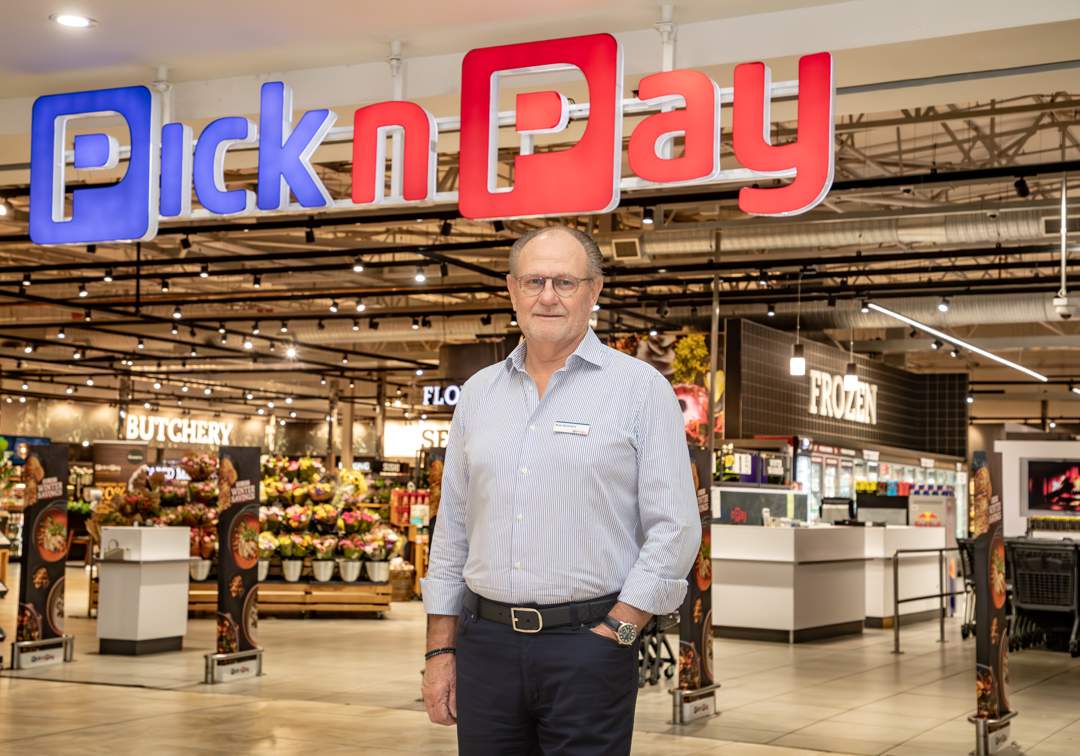
South African retail giant Pick n Pay is initiating a significant restructuring of its in-store labour model, a move set to impact approximately 22,000 employees. This strategic overhaul forms the next phase of the company’s ambitious turnaround plan, designed to enhance operational flexibility and efficiency in response to evolving consumer shopping patterns, such as increased late-day and weekend trade .
The retailer, which previously warned in February 2026 of a projected headline loss per share widening by over 20 per cent compared to the preceding year, despite two years of intensive turnaround initiatives, has confirmed that these latest consultations will not involve head-office employees.
Corporate staff have already experienced workforce reductions through prior restructuring efforts and have endured a salary freeze for the past 24 months, underscoring the depth of the company’s financial challenges.
Pick n Pay’s management has indicated that certain aspects of its existing labour arrangements, including minimum guaranteed hours, inflexible scheduling practices, and specific benefits and allowances, currently exceed market norms. These practices are deemed out of alignment with contemporary shopping trends, placing the retailer at a competitive disadvantage. The proposed adjustments are not intended to reduce the overall headcount of affected store staff but rather to harmonise the company’s labour practices with those of its competitors, thereby fostering a more equitable competitive environment.
READ – GoTyme Bank Ends Pick n Pay Kiosks
Chief Executive Officer Sean Summers affirmed that this review is an integral component of a phased strategy aimed at stabilising and ultimately rebuilding the group’s core supermarket business. The company has formally commenced a Section 189A consultation process with the South African Commercial, Catering and Allied Workers Union (SACCAWU) and store-based employees within the Non-Management Bargaining Unit.
This process, mandated by South African labour law, signals the formal start of negotiations regarding potential changes to employment conditions for the approximately 22,000 affected staff. The Section 189A process is a critical step in managing large-scale restructuring, aiming to facilitate dialogue and mitigate the impact on employees, while allowing the company to adapt its operational model to market realities.
Reflecting on the progress of the turnaround journey, Mr. Summers highlighted several substantial structural and financial changes already implemented. These include a significant adjustment to the group’s holding structure and the successful listing of Boxer, a move strategically designed to reduce the group’s overall debt burden.
The Boxer listing, which saw Pick n Pay sell a 34.4 per cent stake, raised R8.5 billion, a crucial injection of capital aimed at stabilising the balance sheet and reducing the group’s substantial debt. Furthermore, the company has undertaken a comprehensive resetting of its store estate, which involved some store closures, alongside the restructuring of support offices and the aforementioned salary freeze for corporate personnel.
Mr. Summers also noted the company’s concurrent efforts to revitalise sales through enhanced marketing campaigns and promotional activities, coupled with initiatives to improve the in-store customer experience. This has occurred within a fiercely competitive retail environment where rivals have expanded their footprints while Pick n Pay has been consolidating its own.
He acknowledged that the existing store labour model has been out of balance within the marketplace for a considerable period. While initially established with positive intentions, these structures have become increasingly complex, diminishing the company’s agility and its capacity to effectively respond to dynamic retail trends and customer demands.
Recognising the inherent difficulties this period will present for affected employees, Mr. Summers emphasised that such challenging decisions are necessary to align with prevailing market realities. This alignment is crucial for securing a stronger, more competitive, and ultimately more sustainable business for the future.
The announcement saw Pick n Pay’s share price decline by 2.1 per cent to R19.28 on the JSE on Monday afternoon, while the broader JSE Retailers Index experienced a 1.17 per cent decrease. Over the past year, the share price has steadily fallen from R28.13 per share, reflecting ongoing investor concerns regarding the company’s performance and recovery trajectory.
READ – Retailer Pick n Pay Announces Structured CFO Succession Plan