Chery Group’s decision to localise production in South Africa marks a significant shift in the country’s automotive landscape, reinforcing its role as a strategic manufacturing hub for global vehicle brands.
Through its subsidiaries Jetour and Chery, the group is transitioning from an import-led model to local production following its acquisition of the Rosslyn plant, previously owned by Nissan. The move positions the group to deepen its footprint in the domestic market while contributing to industrial development.
Production at the Rosslyn facility is expected to reach 50,000 units annually by mid-2027. The expansion is also projected to create more than 3,000 jobs across manufacturing and the broader automotive supply chain, underlining the economic significance of the investment.
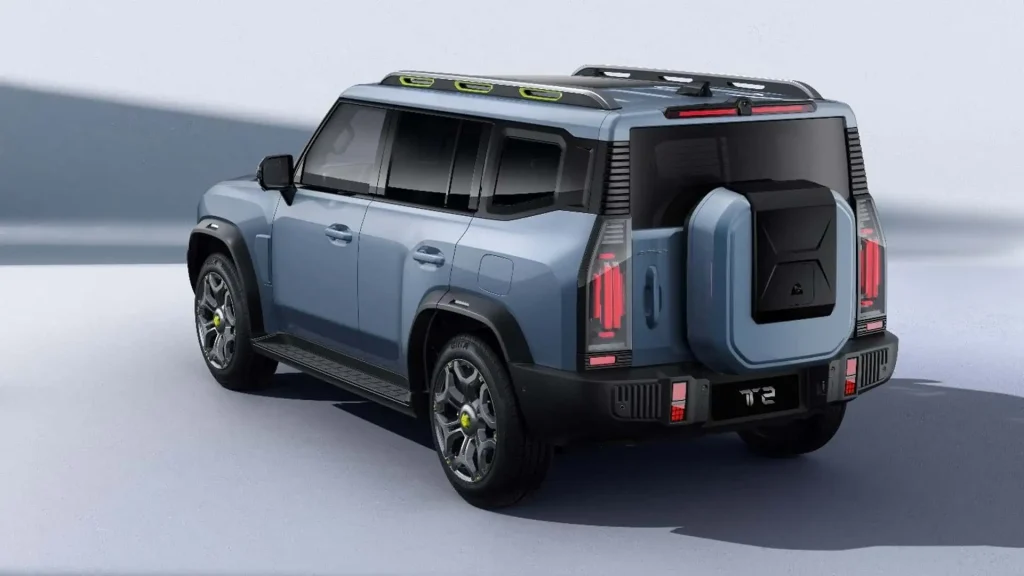
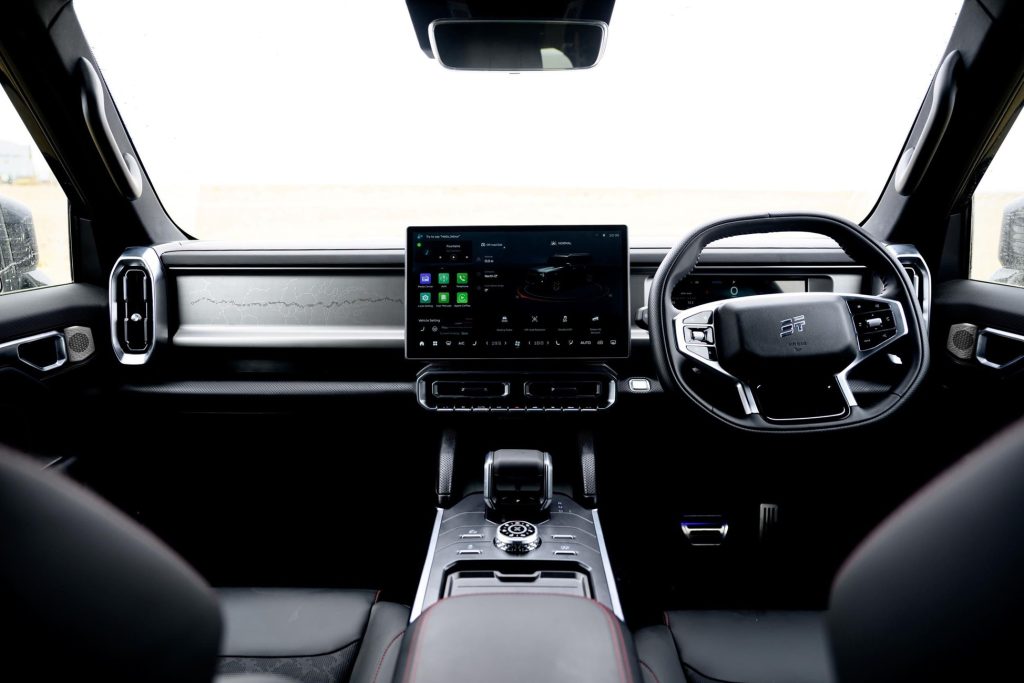
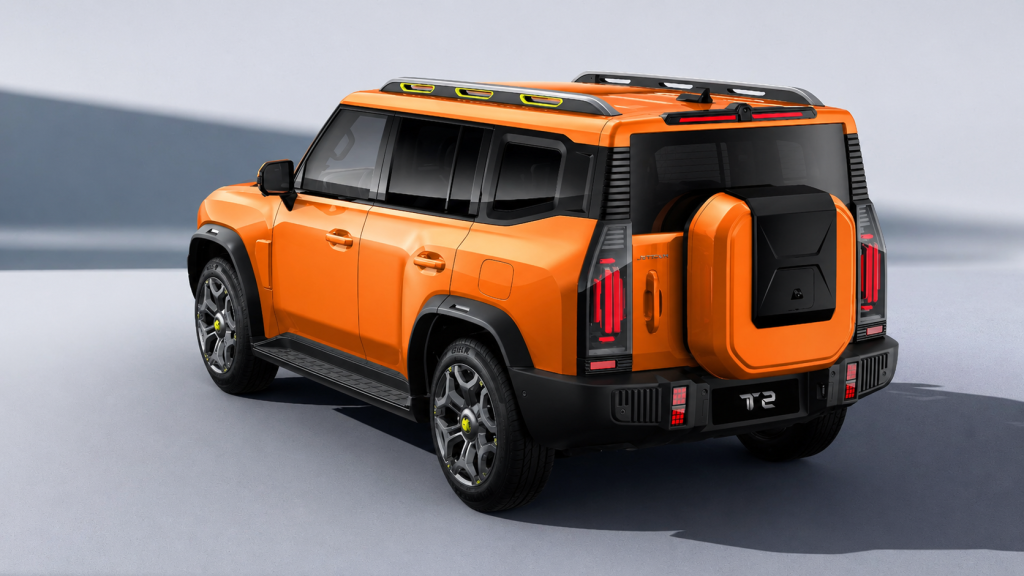
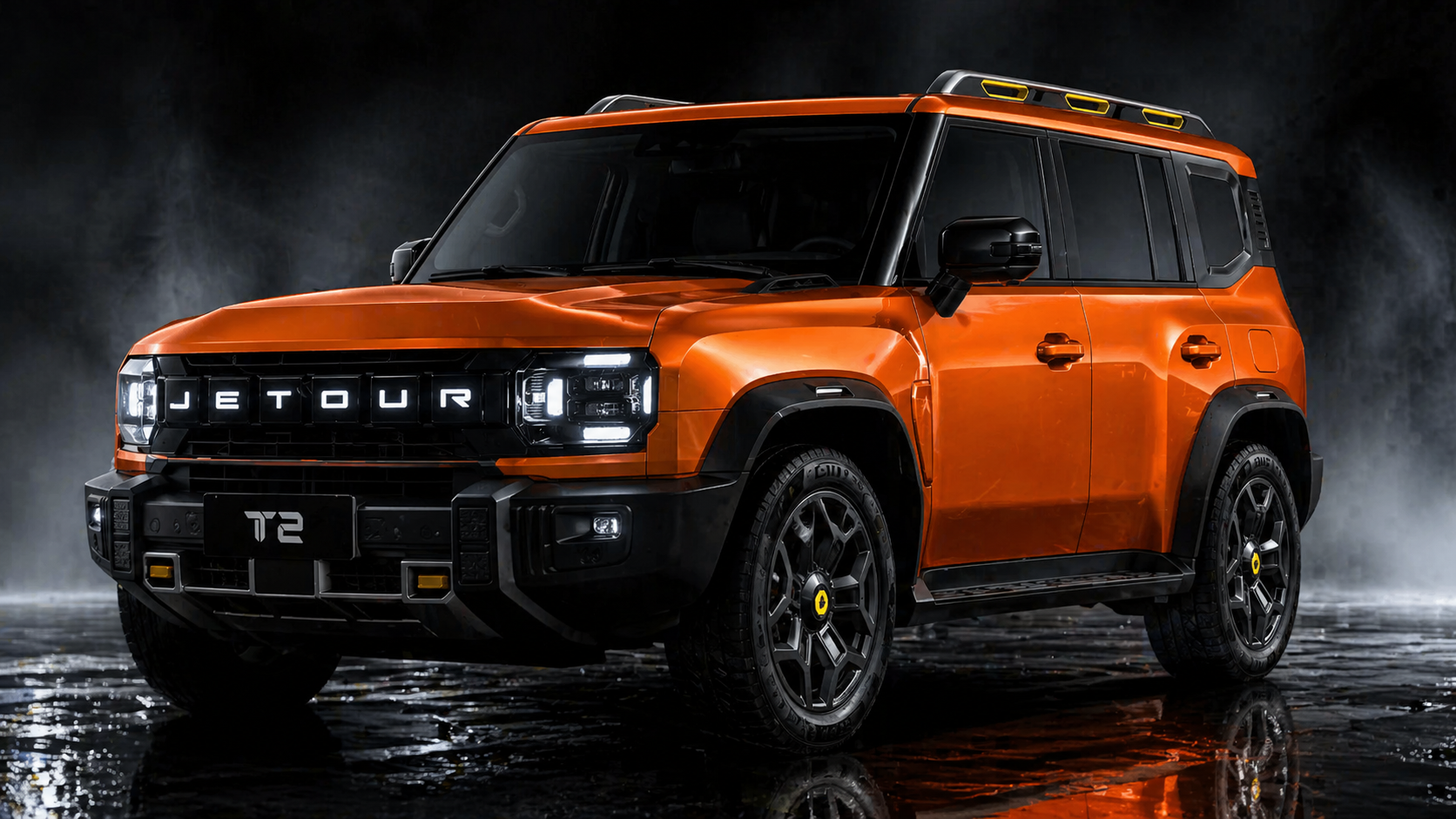
The production line will focus primarily on Jetour’s T-Series models, including the T1 and T2, which have gained traction in the South African market since their introduction in late 2025. The localisation strategy follows stronger-than-expected sales performance, with more than 4,500 T-Series units already sold, exceeding initial forecasts.
Industry attention has centred on the production method to be adopted. While automotive manufacturing can range from fully imported units to partial assembly, Jetour South Africa has confirmed that the Rosslyn plant will implement a completely knocked-down (CKD) model by 2027. This approach involves assembling vehicles from individual components locally, representing the highest level of domestic manufacturing integration.
The CKD model is widely regarded as the benchmark for local production, as it supports extensive job creation, enables the development of local supplier networks, and allows manufacturers to benefit from incentives under South Africa’s Automotive Production and Development Programme. In contrast, semi-knocked-down assembly relies more heavily on imported components and delivers more limited economic spillover.
The shift to full-scale manufacturing is expected to improve parts availability and potentially reduce vehicle pricing over time, as locally assembled units typically benefit from tax advantages and reduced import duties.
The announcement comes amid broader global industry developments highlighted at Auto China 2026, where electrification and intelligent mobility remain central themes. The exhibition showcased more than 1,400 vehicles, including numerous global debuts, reflecting accelerating investment in electric and plug-in hybrid technologies.
Jetour’s expansion strategy in South Africa includes both internal combustion and electrified models, with the company already introducing multiple variants across both categories. The move into local production is expected to support further product rollout and strengthen long-term market positioning.
For the domestic market, the localisation of production signals increased confidence from international manufacturers and highlights South Africa’s continued relevance in global automotive value chains.