
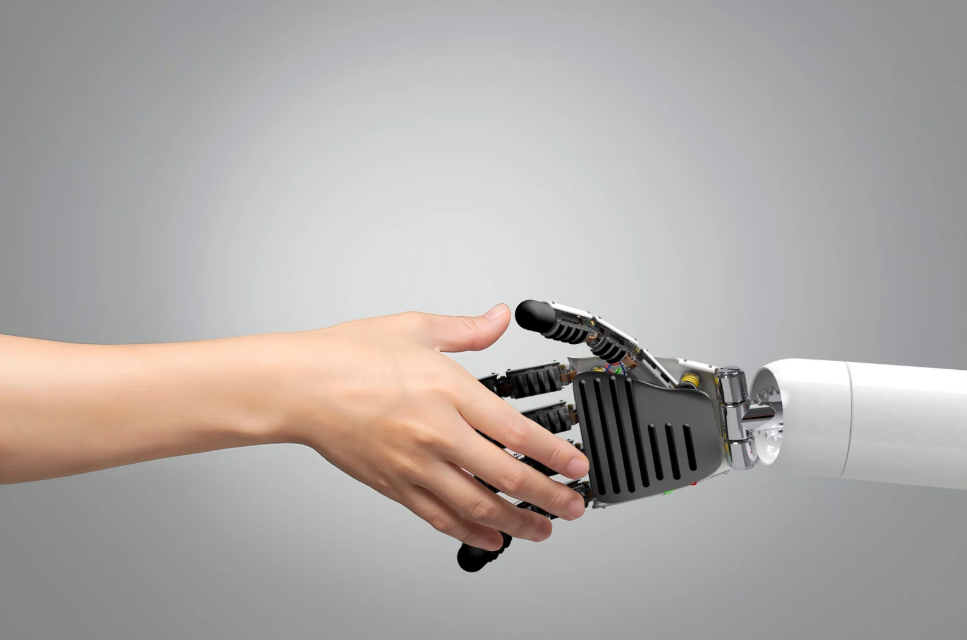
AI is rapidly changing the way we work and the way our workplaces operate and has the capacity to improve or undermine employee wellbeing at work, depending on how employers choose to use it.
The fear of job displacement is real and shouldn’t be dismissed, but the stress employees experience around AI often goes beyond the fear of losing their jobs. Rapid change, uncertainty about how their roles may evolve, concerns about making AI-assisted mistakes, increased workplace surveillance, and different levels of digital confidence, can all contribute to anxiety. At the same time, AI doesn’t necessarily mean replacing people. In many organisations, it creates an opportunity to upskill employees, helping them develop the skills they need to work alongside AI and prepare for an increasingly AI-enabled future.
AI-powered platforms can also play an important role in supporting employee wellbeing. They can identify early signs of stress and burnout, provide more personalised wellbeing support, connect employees with mental health resources before issues become a crisis, and give organisations a clearer, real-time understanding of employee health and engagement.
YuLife’s own research with Ipsos found that 51% of employees are more likely to stay with companies that offer strong benefits supporting their overall health and wellbeing. When AI is used responsibly and effectively to personalise and strengthen those benefits, it has the potential to make that support even more relevant, timely and impactful.
AI and employee wellbeing
AI can impact the health and wellbeing of the workplace in many ways, and it should be used ethically and responsibly so that its benefits can be reaped by both employees and organisations. AI can free up employees’ time for more meaningful activities, such as collaboration, which can contribute to improved wellbeing and productivity.
AI saves workers around 3.5 hours per week on administrative and repetitive tasks by automating activities such as calendar management, spreadsheet organisation and data entry. Many modern workplace applications now include built-in automation features that reduce the time employees spend on routine tasks that add limited value. This can also support employee wellbeing by providing greater flexibility in working patterns, particularly for those with caring responsibilities or other commitments outside of work.
Using AI to automate administrative tasks can help reduce workloads and minimise the risk of overworking, excessive pressure and burnout. In turn, this can enable employees to maintain a healthier work-life balance and focus their time and energy on tasks that require human skills, such as creativity, communication and decision-making.
AI also gives employees greater choice and control over how they organise and manage their work. When implemented appropriately, it can support the development of more flexible and adaptable roles, allowing employees to adjust their working patterns to accommodate changing health and wellbeing needs.
The impact of AI on workload and productivity
Organisations are increasingly using AI to support employees who benefit from tools such as transcription, summarisation and writing assistance. These technologies can provide valuable support for employees with temporary or long-term health conditions by reducing barriers, making everyday tasks more manageable, and enabling them to work more effectively.
According to PwC’s Africa Workforce Hopes and Fears Survey 2025, 64% of employees across Africa report using AI at work in the past year, compared to just 54% globally. More encouragingly, 76% of African workers believe AI improves the quality of their work, and 72% expect productivity gains over the next three years. These are not speculative projections, but reflect real, lived experiences of employees and leaders who are already working alongside AI tools and finding real value in doing so.
African workers are also showing stronger progress in skills-building than their global peers, reporting 15% higher engagement in upskilling activities and 6% more manager support than the global average. In a country where the skills landscape has historically been a challenge, this is a meaningful and positive shift.
SPAR South Africa’s rollout of Microsoft 365 Copilot offers a compelling local example. Following implementation, 67% of employees actively adopted the tool, collectively saving 715 hours of working time, equivalent to 89 full working days. 93% of users reported increased productivity, and 88% said they were able to complete tasks faster. Those are not just efficiency numbers. Those are hours given back to people.
While AI can help employees work faster and improve productivity, it is important to consider how these changes affect people. “Productivity gains should not come at the cost of increased stress, reduced independence, or employees feeling disconnected from their work and colleagues,” says Tal Gilbert, CEO at YuLife. “A human-centred approach to AI means making sure that technology supports employees rather than simply placing greater demands on them.”
Organisations should focus on using AI with intention, equipping their people with skills, building the structures that ensure responsible use, and treating AI not as a disruption to manage, but as an opportunity to shape.