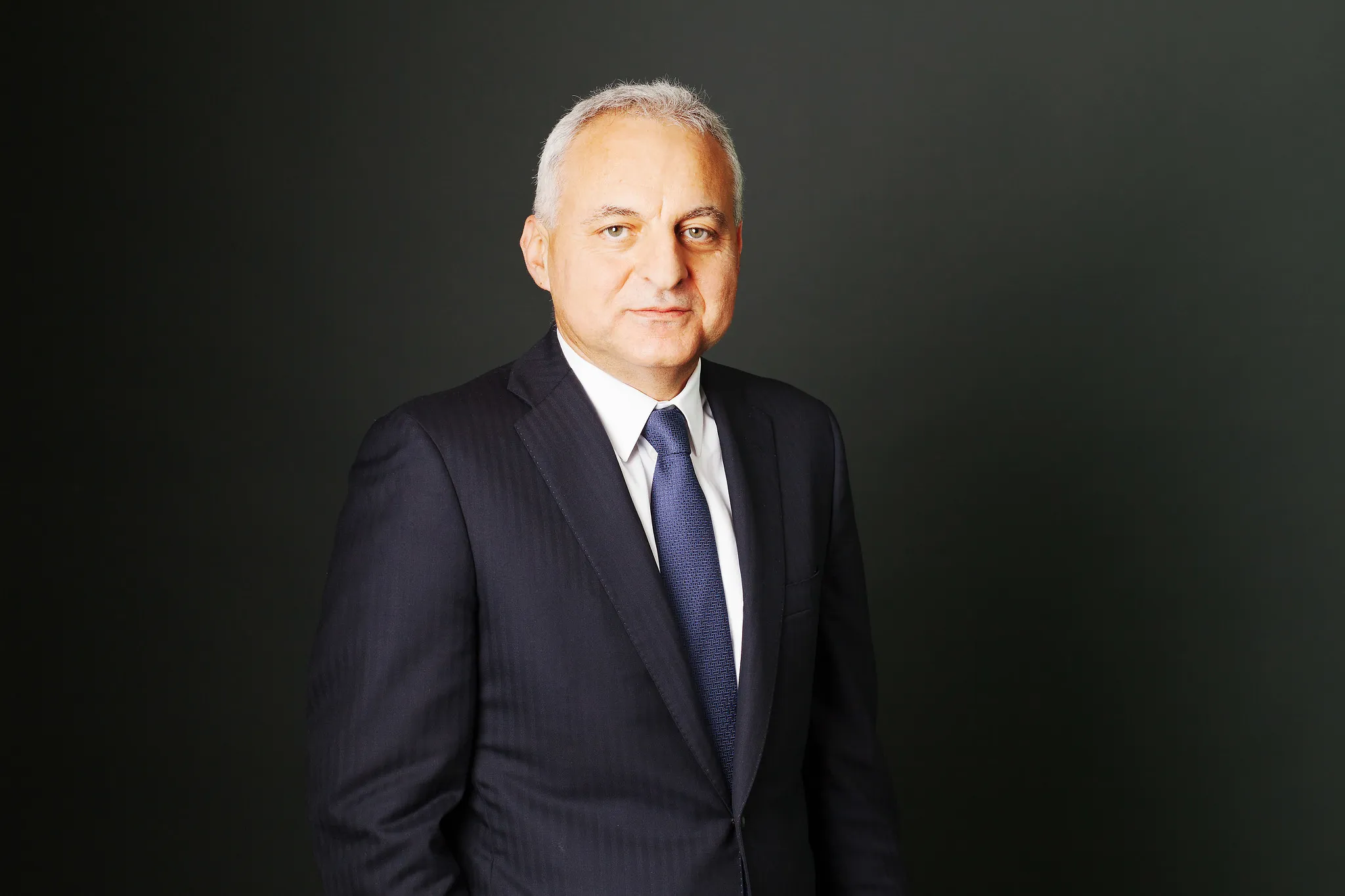
The chief executive of Rolls-Royce could soon become one of the highest-paid corporate leaders in Britain, with a remuneration package that may reach more than £18 million this year following the aerospace group’s dramatic turnaround.
According to Financial Times, the company’s latest annual report outlines proposals that could see chief executive Tufan Erginbilgiç earn up to £18.5 million in 2026 through a combination of salary, annual bonuses and long-term incentive awards, provided performance targets are achieved. The proposed package would place him among the top earners within the FTSE 100, a group of Britain’s largest listed companies.
The potential pay level would position Erginbilgiç close to the compensation structure of other highly rewarded chief executives in the UK market. AstraZeneca’s chief executive, Pascal Soriot, currently has a remuneration framework allowing maximum annual pay of roughly £18.9 million, reflecting a broader trend among large UK-listed corporations to increase executive pay after years of restraint aimed at addressing investor scrutiny.
READ – Rolls-Royce Hits Record High
The proposals for Rolls-Royce’s chief executive reflect the scale of the company’s financial recovery since Erginbilgiç took over leadership in early 2023. The aerospace and defence group has undergone a major restructuring programme focused on improving profitability, strengthening cash flow and refocusing operations on high-margin aerospace and power systems markets.
Rolls-Royce has experienced one of the most dramatic share price recoveries in the London market in recent years. The company’s market capitalisation has surged significantly since early 2023 as investors responded positively to cost-cutting measures, operational improvements and a renewed focus on efficiency within its civil aerospace division.
The company itself has highlighted the magnitude of the turnaround when explaining the proposed remuneration changes. Rolls-Royce reported that its share price has increased by roughly 1,300 per cent since January 2023, lifting the group’s market value from about £8 billion to more than £100 billion and moving it into the upper ranks of the FTSE 100 by market capitalisation.
The potential reward for Erginbilgiç is also tied to share-based incentives granted when he joined the company. He received approximately 8.3 million shares in 2023 as compensation for forfeited earnings and bonuses from his previous role at private equity firm Global Infrastructure Partners. The shares were granted at a price of just under 91 pence each.
With Rolls-Royce shares trading at roughly £13.47, the value of those shares has increased dramatically, leaving the chief executive with a paper gain exceeding £100 million. The shares will vest in two tranches scheduled for 2027 and 2028, meaning their eventual value will depend on the company maintaining its improved performance and market valuation.
Changes proposed in the company’s remuneration policy would significantly increase the scale of potential incentives available to the chief executive. The revised structure would allow Erginbilgiç’s annual bonus to rise from a maximum of 200 per cent of his base salary to 300 per cent. In addition, long-term incentive awards could increase from 375 per cent of salary to as much as 750 per cent under certain performance conditions.
His base salary has also increased, rising by 15.6 per cent to approximately £1.58 million after an adjustment implemented in September. This salary increase raises the potential value of performance-linked rewards because bonus and incentive payments are calculated as a percentage of base pay.
The full payout under the long-term incentive plan would only be realised if Rolls-Royce meets a series of operational and financial performance targets over a three-year period. Even if these targets are achieved, shares must then be held for an additional two years before they can be realised, meaning the earliest full payment would occur in 2031.
The proposed remuneration policy will be subject to approval by shareholders at the company’s upcoming annual general meeting. The company began consultations with its largest investors last year, engaging with 24 shareholders who collectively control more than half of the firm’s equity.
Executives involved in the remuneration process indicated that investor feedback had been broadly supportive of the changes, reflecting recognition of the company’s operational turnaround and improved financial performance under the current leadership team.
The proposed pay structure highlights a broader shift in executive compensation across the UK’s largest corporations. In recent years, companies have faced pressure to increase pay levels in order to remain competitive with US-listed firms, where executive remuneration packages are often significantly higher.
Several major British companies have already raised executive pay ceilings. The chief executive of GSK received a substantial increase in total remuneration in the final year of her tenure, while compensation levels for leaders of the UK’s largest banks have also risen to their highest levels in more than a decade.
For Rolls-Royce, the proposed remuneration changes are closely tied to the company’s transformation strategy and its attempt to maintain investor confidence after a prolonged period of financial strain earlier in the decade. The group was heavily affected by the collapse in global aviation during the pandemic and spent several years restructuring its operations and balance sheet.