
A widely cited piece of research by the University of the Western Cape (UWC) estimates that between 70% and 80% of small businesses in South Africa fail within their first five years. But perhaps more tellingly, the same research found that approximately 40% of the success of small businesses depends on one factor: the entrepreneur who owns the business.
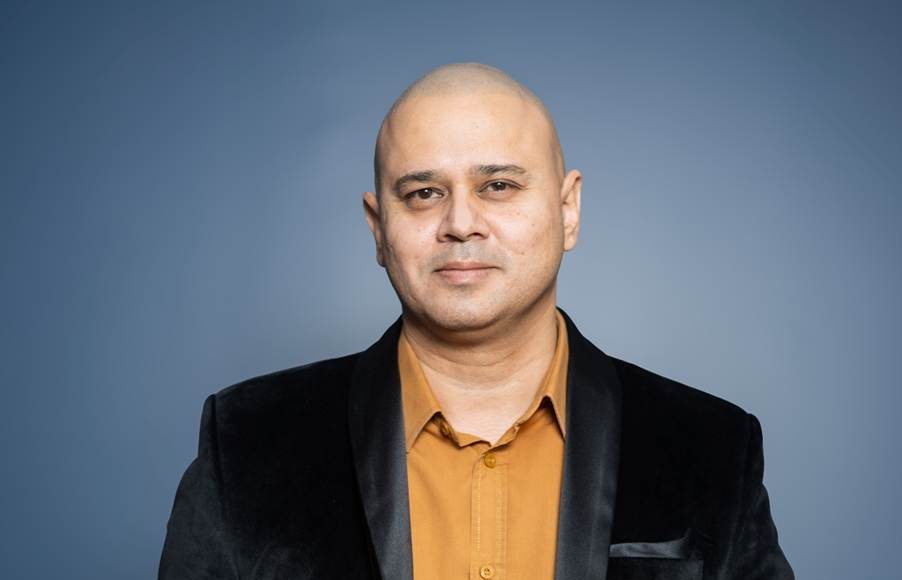
This is something that Sudir Sahadeo, Regional Investment Manager at Business Partners Limited, says he sees every day when working with small and medium enterprises (SMEs).
“I cannot overstate the importance of an owner’s full-time involvement in the business,” he says.
Time and time again, we find that when the entrepreneur is only involved part-time or is not fully focused on the business, the likelihood of failure increases significantly.”
Sahadeo’s comments highlight an important reality often overlooked in discussions about business failure. While external economic pressures certainly play a role, the difference between success and failure can also come down to whether business owners remain actively involved in understanding and managing every aspect of their operations.
This, he says, is particularly important during the first few years of a business’s life. “The first three years are typically the most vulnerable for any company. During this time, the business is still trying to find its feet and gain traction, whether that’s securing customers, building supplier relationships or convincing banks and other lenders to provide funding.”
During this vulnerable period, Sahadeo highlights several warning signs that may indicate a business is at risk, with poor cash flow management being one of the most significant.
“Many businesses appear healthy on paper, with large volumes of turnover, orders on hand and opportunities to grow. But if the cash flow is not managed effectively, the business may struggle to purchase stock, fall behind on payments and ultimately end up in financial trouble.”
He adds that competition can create additional pressure, particularly when business owners fail to adapt their offerings as markets evolve. “If a business is not dynamic and flexible enough to respond to new competition and remain at the front of the pack, it can become irrelevant and ultimately fail.”
Overreliance on a handful of customers can also expose businesses to unnecessary risk. “Sometimes you find a business that’s heavily reliant on one or two customers to generate all of its turnover,” says Sahadeo. “If you lose one of those key customers, it can have a major negative impact on the business.”
The current economic environment has compounded these challenges, he adds, noting that fuel price pressures, global uncertainty and supply chain disruptions have increased pressure on many SMEs. “It has been a particularly difficult trading environment this year, and we have certainly seen more businesses going into distress as a result.”
According to Sahadeo, strong financial management remains one of the most effective ways to beat the odds and improve a business’s chances of long-term success. “Business owners need clear reporting and oversight of what is happening within their business,” he says. “They need to closely monitor turnover, expenditure, cash flow, debtors and creditors. Without proper financial management systems in place, you’re essentially shooting in the dark.”
He also recommends maintaining healthy cash reserves, ensuring a balanced approach to debt, diversifying customer bases and developing clear short-, medium- and long-term business plans. Ultimately, however, Sahadeo believes the most important factor remains the entrepreneur behind the business.
“In an SME environment, you can employ managers who may be responsible for certain functions, but they are ultimately not accountable for the profitability and sustainability of the company,” he says. “You, as the owner, are. The more actively involved you are in the day-to-day running of the business, the greater its chances of long-term success.”