
Access to finance remains one of the most significant barriers facing South Africa’s small and medium-sized enterprises (SMEs). While many entrepreneurs need additional capital to grow, securing funding can be challenging, particularly for businesses operating outside major economic centres.
According to Fin find’s SA MSME Access to Finance Report, SMEs face an estimated R350 billion funding gap, driven by factors such as limited collateral, insufficient business credit data, burdensome funding requirements, and low levels of funding readiness. The report also highlights a mismatch between the types of funding businesses need and the products available to them. As a result, many SMEs may be tempted to pursue any available funding option rather than the most suitable one, increasing the risk of taking on finance that does not align with their business needs and growth plans.
The Impact Finance Network (IFN), an Anglo American programme, helps small and medium-sized businesses in Africa and Latin America become investment-ready and connect with the funding they need to grow. By supporting businesses to understand their financing options and prepare for investment, the IFN aims to improve access to capital and strengthen long-term business sustainability. Through its model, the network helps businesses overcome investment barriers, scale their operations, and increase their social and environmental impact.
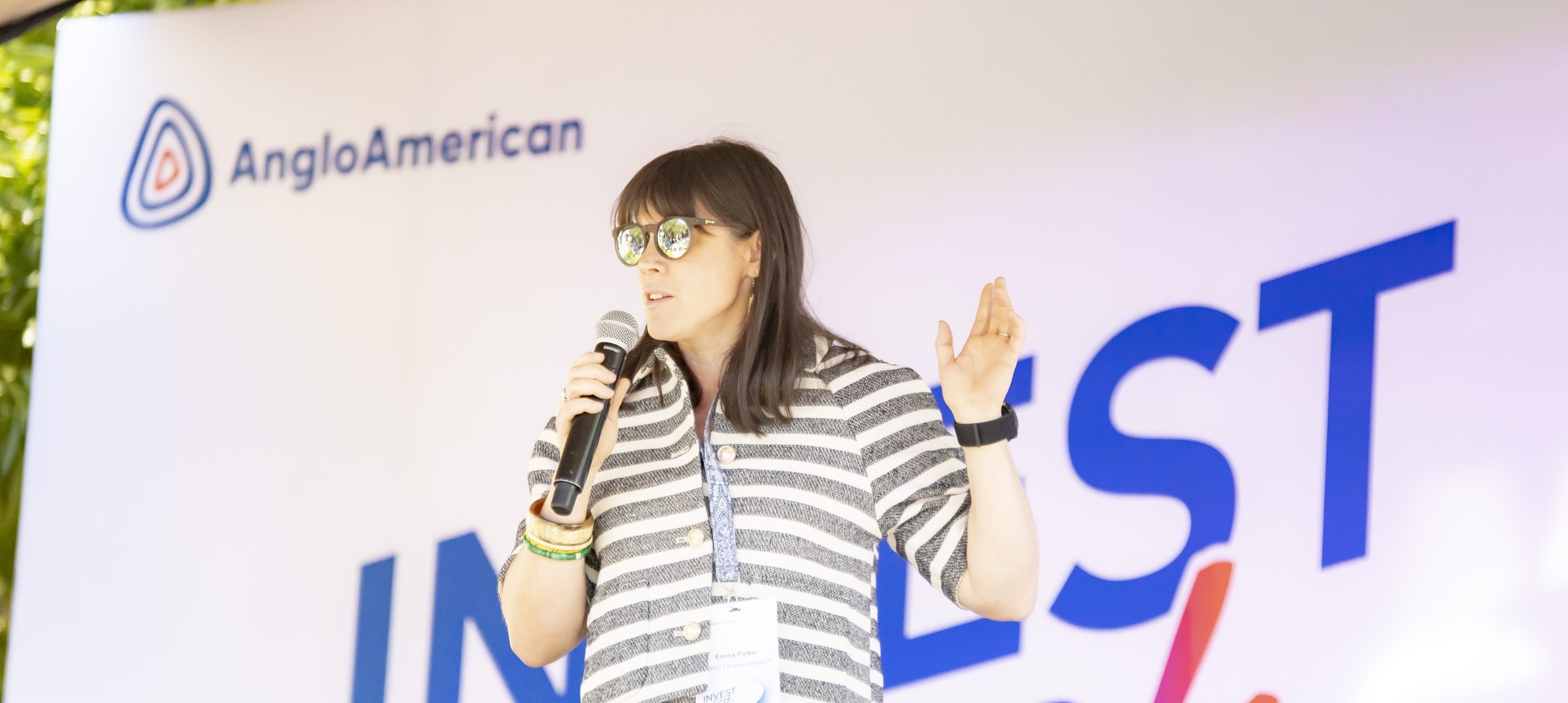
Emma Parker, Sustainable and Impact Finance Manager at Anglo American explains that even when funding opportunities exist, many businesses are uncertain about which type of capital best suits their stage of growth or how to become investment ready. Understanding where to access funding and how different forms of capital can support a business at different stages is often as important as securing the funding itself. Before applying, you should really ask yourself why I need this finance and which finance options match that,” she says.
For example, don’t take a five-year loan to solve a three-month cash flow problem. Long-term debt is typically best suited to funding long-term assets and investments, such as equipment or expansion projects that generate value over many years. Short-term financing, by contrast, is generally more appropriate for working capital needs, seasonal fluctuations or temporary cash flow gaps.
When looking at the different types of funding SMEs can consider in growing their businesses, grants sit at the most accessible end of the spectrum. These are often made available by donors, government departments or development finance institutions, and are non-dilutive, which means that founders give up no equity in exchange.
Debt finance – or borrowing money to fund your business – covers everything from microfinance to working capital, purchase order funding and asset finance. Business owners need to choose carefully, as they’re not all created equal and there is a different cost to each form of funding.
Equity is generally the most expensive form of capital, since investors expect a return for the risk they take. Early-stage businesses without a track record often raise equity, but Parker warns that raising equity too early can mean giving away more ownership than necessary as investors will expect a larger equity stake to offset the risks they are taking.
In reality, there is no single best funding option – capital should be used to help entrepreneurs bring ideas to life and validate their business models. And as the business matures, that capital should be used to accelerate growth rather than solve fundamental flaws in the model.
Since its launch in 2021, the IFN has supported more than 100 businesses through technical assistance, mobilised over R1,8 billion in third-party capital, and helped sustain over 46,000 livelihoods across Southern Africa.
This is the gap platforms like IFN are designed to close. It prepares businesses to become investment-ready through pre-investment support such as business plan, financial modelling and pitch preparation, then matches them with suitable investors and supports both parties to close the deal. Readiness, matching and capital together are what make the difference. It’s the kind of intermediary support that strengthens impact investment ecosystems and unlocks capital at scale for the SMEs that need it most.
South Africa has no shortage of entrepreneurial talent. What many businesses need, is support to navigate the funding landscape, understand their options and connect with the right investors. Capital has the power to turn ambition into opportunity, but the real impact happens when businesses are investment-ready and matched with the right funding at the right time. That’s how we unlock sustainable growth, create jobs and support the entrepreneurs building the future of our economies,” concludes Parker.