

Cash flow remains one of the toughest challenges for South African small and medium enterprises (SMEs). Not only does it consistently rank as a top concern in the Business Partners Limited SME Confidence Index, but a global Xero survey also found that 72% of local SMEs were forced to draw on personal savings to survive in the past year.
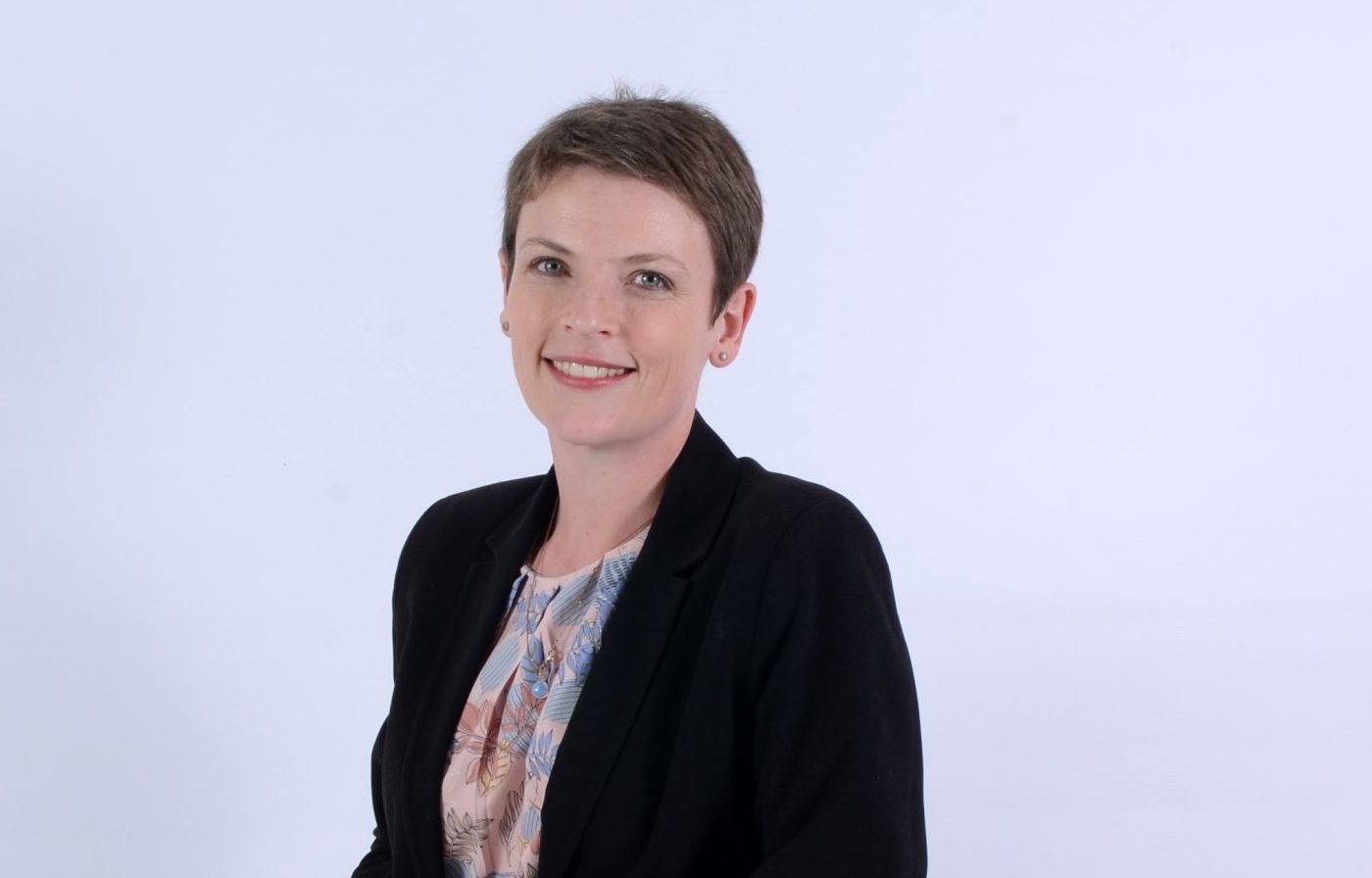
While some factors are beyond the control of business owners, Megan Dedekind, area manager at Business Partners Limited, says proactive financial management can go a long way towards alleviating cash flow pressures. “Rising input costs, late customer payments, and broader economic uncertainty are realities that entrepreneurs cannot easily change. However, many of the most damaging cash flow crises stem from issues that are within their control.”
Among these issues are poor budgeting practices, inadequate planning for seasonal fluctuations, or simply not keeping a close enough eye on the numbers. To ensure these don’t catch you off-guard, Dedekind outlines six best practices for strengthening financial oversight and ensuring long-term sustainability.
- Budget with discipline
A robust budget is the foundation of good financial management. Dedekind advises business owners to set realistic budgets that account not only for day-to-day operating expenses, but also for less predictable costs such as equipment breakdowns or regulatory changes.
“Your budget should serve as a roadmap, giving you visibility into both fixed and variable costs,” she says. “This makes it easier to spot when spending is creeping higher than planned allowing SMEs to take corrective action quickly.”
- Continually monitor performance
Dedekind stresses that performance monitoring should not be a once-a-year exercise. “Successful business owners look at their numbers monthly, if not weekly. This discipline helps them to identify red flags early, such as declining margins or rising debtor days, and to address these before they escalate into major problems,” she says, adding that simple performance dashboards or monthly management reports can be effective tools to keep track of progress.
- Leverage digital tools
Although accounting and reporting software has become more accessible, many small businesses still rely on manual processes. IFC-World Bank research reveals that digital technologies remain underutilised among African micro and small enterprises, despite their proven ability to streamline operations.
“Automated accounting systems not only reduce errors but also provide valuable insights into business performance. They save time and free up entrepreneurs to focus on strategy and securing new business rather than paperwork,” Dedekind notes.
- Implementing risk management and scenario planning
Uncertainty is part of running a business, but SMEs can prepare by conducting regular risk assessments and scenario planning exercises. Dedekind recommends stress-testing financial models under different conditions, such as interest rate hikes, delayed payments, or supply chain disruptions. “This type of planning helps entrepreneurs to anticipate challenges and create contingency strategies, which is far less stressful than reacting on the fly,” she explains.
- Invest in financial literacy
Sound financial decisions require a solid understanding of basic financial principles. Yet many SME owners are experts in their product or service and rarely in finance. Dedekind encourages business owners to upskill themselves and their management teams in areas like reading financial statements, cash flow forecasting, and understanding working capital cycles. “Financial literacy is a competitive advantage. It reduces dependency on external parties and gives owners greater confidence in their decision-making,” she says.
- Seek professional advisory support
Finally, Dedekind highlights the value of tapping into external expertise. “SMEs should not hesitate to consult financial advisors, accountants, or business mentors. Professionals can offer objective insights, identify blind spots, and help develop more sophisticated financial strategies. This is an investment in the business’s long-term stability,” she concludes.
Written by Megan Dedekind, Area Manager at Business Partners Limited