
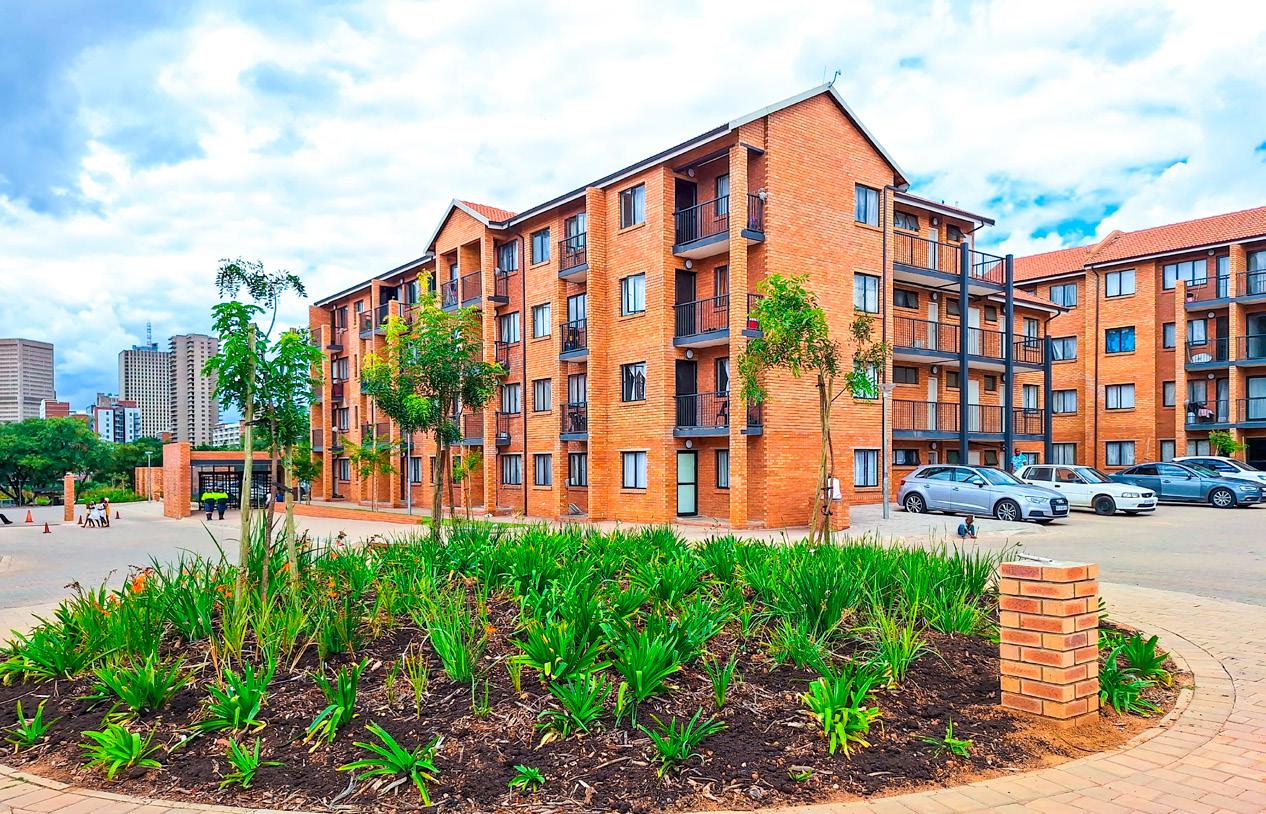
Human Settlements Minister Thembi Simelane has called for stronger partnerships with the private sector and greater use of blended finance to help close South Africa’s infrastructure financing shortfall, which she put at about R4 trillion.
Speaking at a dialogue on municipal infrastructure and inclusive communities in Midrand on Tuesday, co-hosted by Unisa’s Graduate School of Business Leadership and the Department of Human Settlements, Simelane said the state could not afford the required investment on its own. She said commercial banks, development finance institutions, pension funds, institutional investors and private companies could help mobilise capital and stretch limited public funds.
The dialogue was held under the theme Building Blocks of Democracy: The Human Settlements Journey towards Inclusive Integrated Living, and focused on moving from housing delivery towards integrated, well-located communities.
Housing and Infrastructure: Key Figures
| Measure | Figure |
|---|---|
| Estimated infrastructure financing shortfall | About R4 trillion |
| Serviced sites target, 2026/27 | 25,186 |
| Treasury Metro Trading Services Reform | March 2026 launched Sources: Department of Human Settlements, National Treasury |
Simelane said sustainable housing depends on the coordinated provision of land, housing and bulk infrastructure, including water and sanitation. Projects without adequate infrastructure risk failing, she said, while homes built far from jobs and public transport increase spatial inequality and household costs. She called for an end to fragmented planning so that settlements are closer to economic opportunities, transport and social facilities.
She repeated her call for provincial housing plans, municipal integrated development plans, spatial development frameworks and infrastructure budgets to be aligned before construction starts. Each project, she said, should have a credible path covering land acquisition, planning approval, infrastructure connections, occupation and tenure, with the institutions responsible for operating and maintaining each asset identified from the outset.
In its May budget vote, the department set a target of 25,186 serviced sites for 2026/27. Simelane said serviced land allows different forms of delivery, including incremental building by qualifying households, but its value depends on planning, location and functioning municipal
systems. The shift towards serviced sites, rather than complete state-built houses, is part of the government’s move to stretch housing budgets that have come under pressure from fiscal constraints and rising construction costs.
Simelane also pointed to weaknesses in municipalities, including shortages of engineers, planners, financial managers and project managers, unstable leadership and poor procurement. She called for targeted technical support and said accountability should measure whether infrastructure works, households are connected and new developments are occupied, rather than only tracking spending.
Deferred maintenance, she warned, leaves households facing service interruptions and damaged property, costs businesses operating time and leaves municipalities with repairs that are more expensive than the maintenance they postponed.
She highlighted National Treasury’s Metro Trading Services Reform, launched in March, as an opportunity to improve the operational and financial performance of metro water, sanitation, electricity and refuse services. The reform links performance grants to improvements in these revenue-generating services, which many metros run at a loss.
The comments come ahead of local government elections, in which service delivery failures in municipalities are expected to be a central issue.