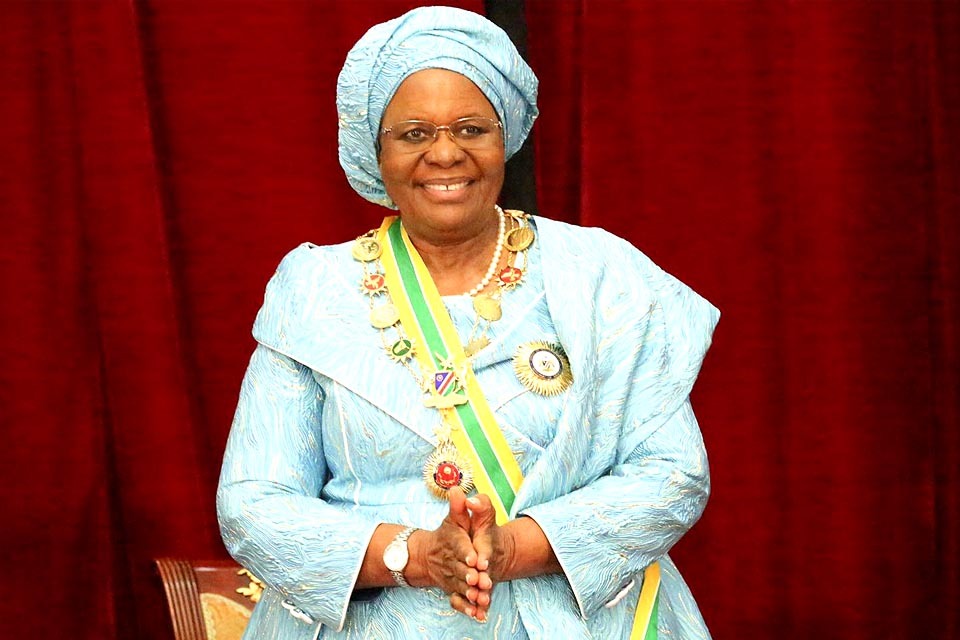
Namibia’s economy has expanded to N$270 billion over the past five years, up from N$190 billion, reflecting steady growth supported by rising tax revenues and targeted policy measures, President Netumbo Nandi-Ndaitwah has said.
Presenting the State of the Nation Address in Windhoek on Wednesday, the President said tax revenue increased from N$55 billion to N$76 billion over the period, translating into a compound growth rate of 9% and sustaining a tax-to-GDP ratio of 30.5%, among the highest on the continent.
The figures point to improved domestic revenue mobilisation and fiscal performance, even as government continues to balance growth objectives with external risks.
“Through prudent policies and strategic investments, government continues to lay a solid foundation for sustainable economic growth and shared prosperity,” Nandi-Ndaitwah said.
Economic growth is projected to accelerate from 1.7% in 2025 to 3.1% in 2026, underpinned by expanding activity across key productive sectors.
However, the President cautioned that global headwinds, including ongoing tensions in the Middle East, could weigh on the outlook through commodity price volatility and broader macroeconomic uncertainty.
The mining sector remains the primary driver of economic performance, generating more than N$64.7 billion in export earnings in the 2025/26 financial year, alongside N$1.4 billion in royalties and modest job creation.
A shift in export composition has seen uranium and gold overtake diamonds, reflecting stronger global demand and pricing dynamics.
“The uranium and gold sub-sectors have surpassed diamonds due to strong global demand and high prices, while diamond prices have declined because of the influx of lab-grown diamonds,” the President said.
The fishing sector continues to contribute 4.1% to GDP and N$14.3 billion in export earnings, while supporting over 21,000 direct jobs.
Agriculture, particularly the livestock value chain, remains central to rural livelihoods, supporting around 70% of the population and contributing both directly and indirectly to economic output.
“The sector provides over 45,000 direct jobs in primary production and a further 12,000 technical roles in export and processing, contributing 3.5% directly to GDP and 6.2% when including manufacturing and value addition,” Nandi-Ndaitwah said.
Government policy continues to focus on strengthening growth fundamentals through investment in infrastructure, human capital and sectoral development, anchored on priority areas such as agriculture, youth empowerment, education, health and land development.
These are supported by key economic enablers including mining, energy, oil and gas, tourism and transport, as Namibia seeks to accelerate structural transformation and improve long-term growth prospects.
This article was first published here in partnership with The Brief