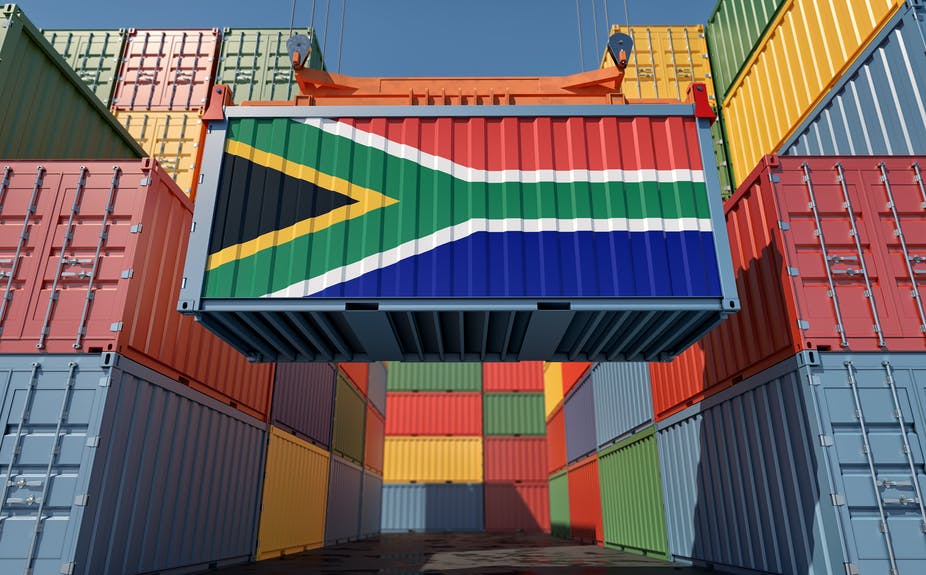
Intra-African trade continues to gain momentum under the African Continental Free Trade Area (AfCFTA), providing a welcome boost to the South African economy amid shifting global dynamics.
According to The Daily Dispatch, South Africa’s exports qualifying for AfCFTA preferential terms reached R820 million in 2025, contributing to broader continental trade growth and opening fresh avenues for domestic enterprises. This figure reflects an estimated 8 percent to 10 percent annual rise in relevant exports compared with total intra-African trade of $42.1 billion (approximately R692.2 billion) recorded in 2024. The exported goods span a varied portfolio, including mining equipment such as drills and resource extraction machinery, household appliances like refrigerators and stoves, processed foods ranging from canned fruits to meats, textiles and clothing, packaging plastics, and electrical items including wires and generators. These products align closely with demand in expanding African markets where construction and manufacturing sectors are advancing rapidly. Key destinations beyond traditional Southern African Customs Union partners include Ghana, Kenya, Egypt, Rwanda, Cameroon, and Algeria.
The Trade Law Center (Tralac), a nonprofit organisation focused on building trade law and policy capacity in East and Southern Africa, highlights this as evidence of South Africa’s manufacturing capabilities in supplying goods essential to the continent’s development. It stresses the need to foster an enabling investment climate to encourage factory construction within South Africa, positioning the country as a strategic hub for intra-continental flows.
This early progress under AfCFTA represents only an initial phase. Full implementation holds the potential to increase intra-African trade by more than 50 percent by 2035, according to expert projections cited by Tralac, with corresponding gains in incomes and poverty reduction across the continent. For South Africa, where trade constitutes a substantial portion of economic activity, such expansion could generate billions in additional GDP and support thousands of jobs in manufacturing, agriculture, logistics, and related sectors.
As reported by Brookings Institution, broader analyses reinforce these expectations. The World Bank has estimated that comprehensive AfCFTA execution could elevate African incomes by around 7 percent to 9 percent by 2035, potentially lifting 30 million to 50 million people out of extreme poverty through tariff reductions, enhanced market access, and stimulated industrialisation. Intra-African exports might grow by over 100 percent in scenarios with deeper integration, driven largely by manufactured goods. Recent data from Afreximbank indicates intra-African trade reached approximately $192 billion in 2023 and climbed further in subsequent years, underscoring the agreement’s role in building resilience against external shocks.
South Africa stands to capitalise on geopolitical uncertainties, including US trade policies under President Donald Trump that feature widespread tariffs on imports from numerous countries, often in response to perceived imbalances or strategic alignments. These measures disrupt traditional supply chains optimised for efficiency and low costs, prompting companies to prioritise resilience, nearshoring, and diversified sourcing. In this context, heightened intra-African engagement offers a pathway to redirect capital and reduce dependence on volatile external markets, though success hinges on domestic stability.
Challenges persist, however. Gains remain vulnerable without sustained reforms in critical areas such as energy reliability, port and rail logistics, and regulatory consistency to attract long-term investment. Global tensions, including tariff escalations and efforts to influence shipping routes, introduce risks of trade interruptions and capital outflows. China’s expanding activities across Africa, framed as soft power initiatives, further complicate the landscape as nations navigate competing influences.
Tralac observes that predictable global trade norms have given way to uncertainty, transforming supply chains into tools of economic security. Governments and firms now reassess production locations, input controls, and risk mitigation strategies. For South Africa, accelerating AfCFTA benefits requires decisive policy action to harness these shifts, ensuring the country emerges as a gateway for continental value chains rather than remaining exposed to external disruptions.
Overall, the AfCFTA-driven uptick in intra-African trade signals a strategic pivot for South Africa towards greater regional self-reliance and economic diversification, with the potential to deliver lasting growth if implementation challenges are addressed effectively.