South Africa, Egypt, and Morocco have reaffirmed their positions among Africa’s top five investment destinations, joined by the smaller but dynamic economies of Seychelles and Mauritius, according to the 2025/26 edition of the Where to Invest in Africa (WTIIA) report. Launched on 27 October 2025 by financial services firm RMB in collaboration with the Gordon Institute of Business Science (GIBS) in Sandton, the report evaluates 31 African nations, representing 90 per cent of the continent’s GDP and 83 per cent of its population. As detailed in Business Day, the rankings highlight the resilience of these economies amid a complex backdrop of political transitions, policy shifts, and global economic realignments.
Seychelles and Mauritius retained their top two spots, their small but robust markets benefiting from high per capita incomes and investor-friendly climates. Egypt, South Africa, and Morocco followed as third, fourth, and fifth, respectively, leveraging their larger, diversified economies. Côte d’Ivoire emerged as a standout performer, climbing eight places to eighth, driven by infrastructure investments and pro-business reforms, while Nigeria experienced the steepest decline, dropping nine spots to eighteenth due to currency devaluation and economic volatility, as noted in Bloomberg Africa. The report’s stability in rankings reflects its focus on structural fundamentals, with 11 countries holding steady and 22 shifting by two or fewer positions, per IOL.
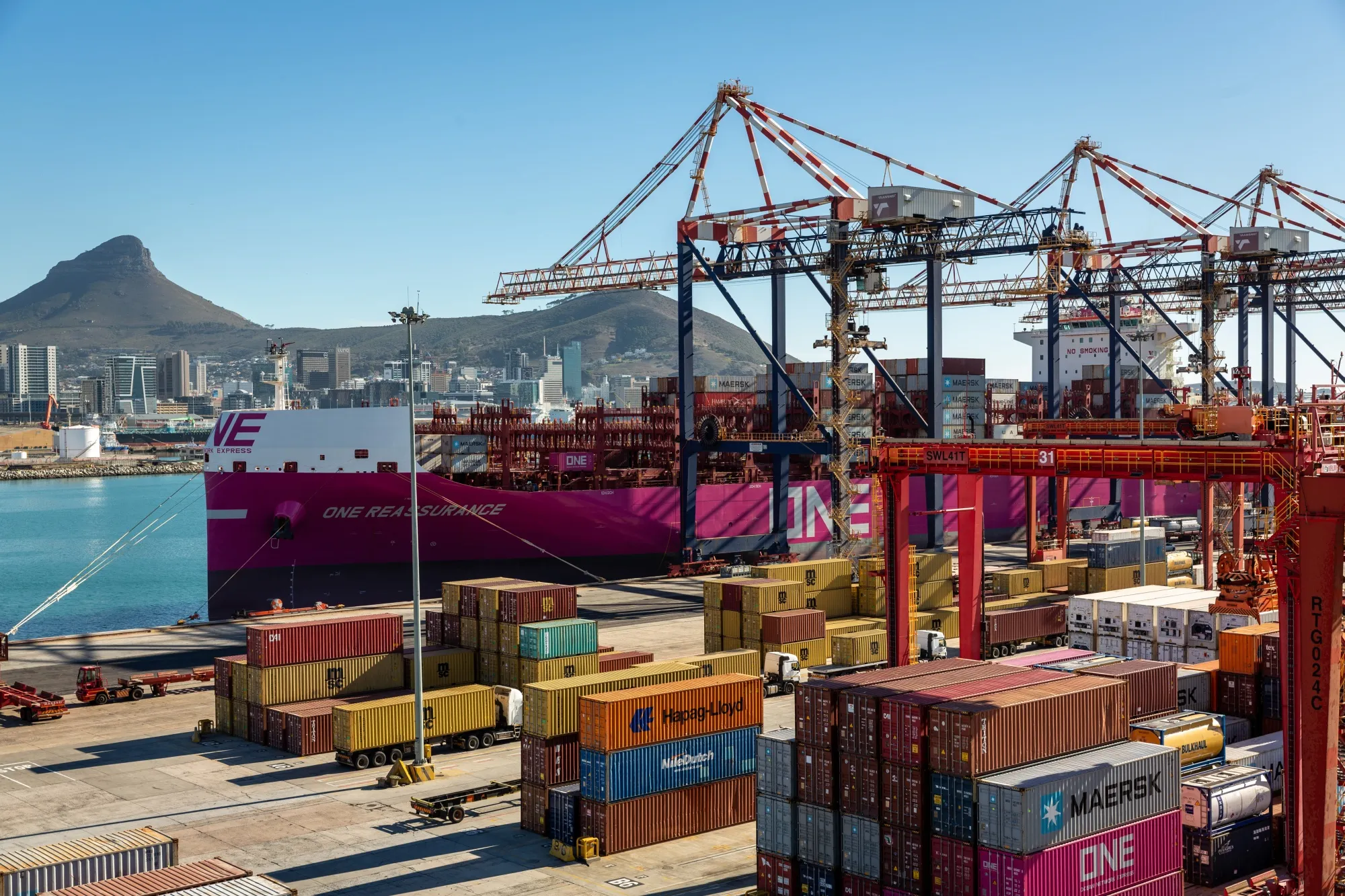
South Africa’s consistent ranking underscores its appeal as an investment hub, bolstered by recent strides in energy security—following reduced load-shedding—and logistics improvements, such as Transnet’s port efficiency reforms. However, GIBS professor Adrian Saville cautioned that the country remains “stuck in neutral” due to insufficient gross domestic fixed investment, which hovers below the 25 per cent of GDP needed for robust growth. Moneyweb highlights that restoring investor confidence is critical, particularly as the report was finalised before South Africa’s exit from the Financial Action Task Force’s grey list on 24 October 2025, a move expected to enhance its appeal by easing compliance costs for global investors, potentially saving businesses R20 billion annually.
The WTIIA report adopts a theme of “From Aid to Trade,” reflecting Africa’s broader pivot towards self-reliance amid declining foreign aid and redirected global capital flows. RMB chief economist Isaah Mhlanga noted that political and policy shifts, including elections in 17 African nations in 2024 and episodes of unrest, have reshaped macroeconomic landscapes. Fin24 reports that this transition is fostering resilience, with trade opportunities increasingly oriented away from traditional North American partners towards Asia and intra-African markets, supported by the African Continental Free Trade Area’s ongoing implementation, which could boost intra-regional trade by 33 per cent by 2030.
The report’s methodology assesses countries across four pillars—economic performance and potential, market accessibility and innovation, economic stability and investment climate, and social and human development—using 20 metrics like GDP growth, ease of doing business, and education levels. This data-driven approach provides investors and policymakers with a nuanced view of opportunities, with South Africa scoring highly for its financial markets and infrastructure despite challenges like unemployment, which stood at 32.1 per cent in mid-2025, per Stats SA. Côte d’Ivoire’s rise, for instance, reflects its 6.5 per cent GDP growth and port expansions, while Nigeria’s fall underscores naira volatility, which lost 40 per cent of its value in 2024.
To deepen insights, the 2025/26 edition introduces three new analytical models exploring market drivers, risks, and opportunities, addressing shifts like currency devaluations and data restatements. Seven countries moved between two and four places, and six shifted five or more, reflecting dynamic conditions such as Ethiopia’s 7.2 per cent growth spurt and Kenya’s fintech-driven gains, as outlined in African Business. For South Africa, hosting the G20 Summit in November 2025 offers a platform to showcase its investment potential, particularly in green energy and mining, where critical minerals like lithium attract global interest.
As Africa navigates a fractured global economy, the WTIIA underscores the continent’s growth trajectory, with a projected 4.2 per cent GDP increase in 2026, outpacing many developed regions. Reuters notes that South Africa’s diversified economy, contributing R7.2 trillion to GDP in 2024, remains a cornerstone of its appeal, though sustained reforms in governance and infrastructure are vital to unlocking its full potential. With Mauritius and Seychelles setting benchmarks for agility, and larger players like South Africa driving scale, the report signals a continent poised for a transformative decade, provided investment confidence keeps pace with opportunity.