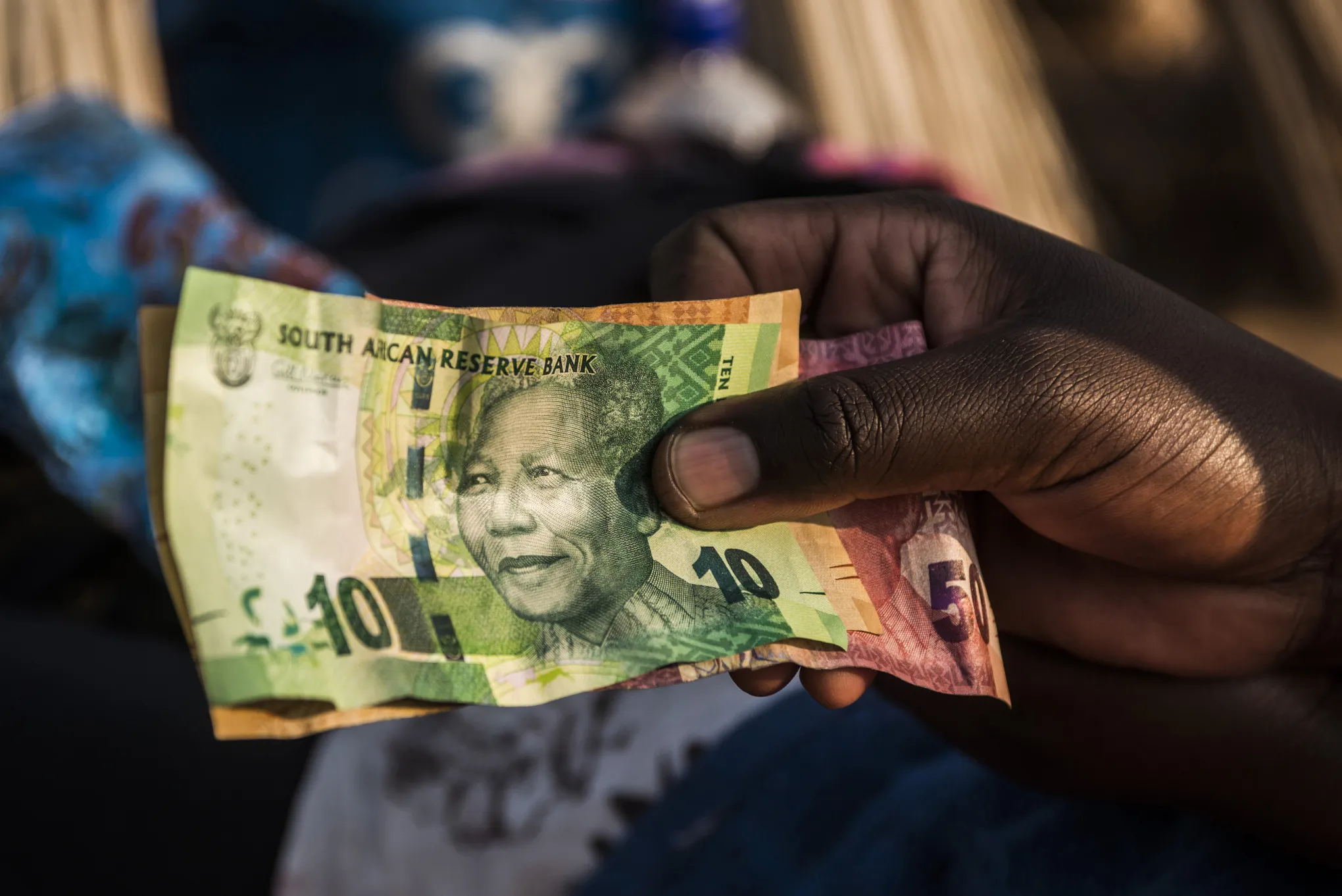
South Africans continue to face significant financial pressures, grappling with rising living costs, family responsibilities, and debt. Yet, despite these challenges, they remain remarkably resilient and resourceful, finding innovative ways to stretch their budgets, explore additional income streams, and make the most of the resources at their disposal.
This is according to the inaugural Money & Me survey by JustMoney.co.za, which drew more than 5,500 online responses from its subscriber base in September 2025.
The survey provides an in-depth snapshot of how South Africans think about money across six broad categories: earning, borrowing, spending, saving, protecting, and trusting.
Earning
Some 41% of respondents take home more than R10,000 per month, but distribution is uneven. Pressure to earn more has driven many to seek additional income streams, though aspiring entrepreneurs face significant barriers.
- Side hustles are common. 36% have a side hustle. The most popular pursuit is buying and selling online.
- Desire to grow income. The majority of respondents (61%) find every single month financially difficult.
- Support burden. 43% of individuals support four or more people with their income. This burden peaks in the 35-44 age group.
- Income confidence gap. Overall, 61% of respondents are nervous or worried about their income, with greater vulnerability among women – 64% of women report feeling nervous or worried, compared to 55% of men.
Borrowing
There is significant reliance on borrowing, which has led to a debt crisis, particularly for middle-to-high-income earners.
- Unsustainable debt levels. A worrying 38% of respondents are in unsustainable debt territory, spending more than 40% of their after-tax income on repayments.
- Debt pressure. Debt pressure is most acute for those aged over 45 years and those with a take-home income of more than R10,000.
- Gendered lending preferences. Women are 21% more likely than men to borrow from family or friends, highlighting the importance of trust in their borrowing relationships.
- Lack of awareness. Many people are not fully informed about loan terms, beyond interest rates and repayment periods. Only 13% of respondents check the terms of credit life insurance, which covers the outstanding balance or repayments if the borrower dies, becomes disabled, or loses their job.
Spending
Bargain hunting, often driven by necessity, dictates shopping behaviour, and financial stress pushes vulnerable groups towards high-risk spending.
- Prioritising basics. If given R1,000, 75% of women and 67% of men would spend it on groceries, underscoring the struggle to meet basic needs.
- Low loyalty. 71% of respondents choose where to shop based on special offers, demonstrating a lack of retail loyalty.
- Gambling trends. Retail specials are the most popular way to “stretch” money. However, men are twice as likely as women to choose gambling over other initiatives such as finding restaurant deals. The lowest income earners are four times more likely to gamble than look for restaurant deals.
- Cash is king. Cash remains the dominant form of payment for transport and everyday purchases.
Saving
The ideal goal of saving 10% of earnings is met by very few. The majority are trapped in a cycle of borrowing to make it through the month.
- Saving and borrowing. Only 9% manage to save 10% or more of their income. In stark contrast, 42% need to borrow money by month-end.
- No retirement plan. 41% do not have a retirement annuity (RA); 56% of those who have an RA withdrew money in the last year.
- Dependents cripple savings. The ability to save is directly related to the number of people supported. Those supporting four or more family members have only a 6% likelihood of saving 10% or more per month.
Protecting
While the attitude towards insurance is positive, a significant portion are exposed to financial shocks.
- Emergency fund deficit. Only 16% can cover a R10,000 emergency. Alarmingly, 25% would need a loan in such a situation.
- Positive insurance perception. Some 80% believe insurance is an important part of financial wellness, or a lifesaver.
- Over-insured for funerals, under-insured elsewhere. Life/funeral and cell phone insurance are the most consistently held covers. However, 38% of women and 32% of men pay for two or more funeral policies, often for family members. This over-investment in funeral cover may result in being under-insured for income protection and medical cover, presenting a significant risk.
- Vulnerability. Young women are identified as the most under-insured group, increasing their financial vulnerability.
Trusting
Trust varies by gender, and fear of scams is validated by their widespread prevalence.
- Gender and trust. Women are less trusting than men of financial institutions, which partly explains their preference for borrowing from friends and family.
- Scams are the norm. A shocking 50% of respondents have been scammed.
- Biggest threat. Social media is the most prevalent scam method (25%). Scammers deliberately target older people, who are often more trusting and lose larger amounts of money.
- Cryptocurrency. Men are twice as likely as women to have invested in cryptocurrency (16% vs 8%).
Psychologist Andrea Kellerman, who collaborated with JustMoney on interpreting the survey findings, says, “Money is never just about numbers. It is about emotion, identity, trust, and survival.”
South Africans need both emotional insights and practical tools to shift from survival to stability, says Kellerman. She makes the following recommendations.
- Teach money with the brain in mind. Financial education must include how stress and emotion shape decision-making. Understanding how scarcity affects the brain helps people see why they feel “stuck” – and how to break that cycle.
- Help women reclaim confidence. Programmes for women should focus on confidence, not just competence. Mentorship, peer circles, and relatable guidance can help women feel safe to take financial risks and prioritise their own security.
- Make trust tangible. People need to feel safe before they can plan. Financial services and institutions should prioritise empathy, clear and simple language, and consistent human connection, rather than relying on jargon.
- Support midlife earners. The 35-54 age group needs emotional and structural support. Debt relief programmes, flexible savings plans, and workplace mental wellbeing initiatives can help people step out of survival mode.
- Turn anxiety into action. When people are overwhelmed, they need guidance, not pressure. Accessible micro-business training or side-hustle mentorship can channel fear into creativity, helping people rebuild a sense of agency and control.
- Talk about money stress openly. Money shame isolates people. Normalising conversations about money and stress – in workplaces, communities and media –reduces stigma and promotes healthier emotional engagement.
“Financial challenges remain a reality for most South Africans,” concludes Sarah Nicholson, Head of Customer Experience at JustMoney. “There is a clear need for practical support, trustworthy information, and tools that help people make confident money decisions.
“We’re committed to providing not only tools and solutions, but to equipping people with the knowledge to build their financial future.”