
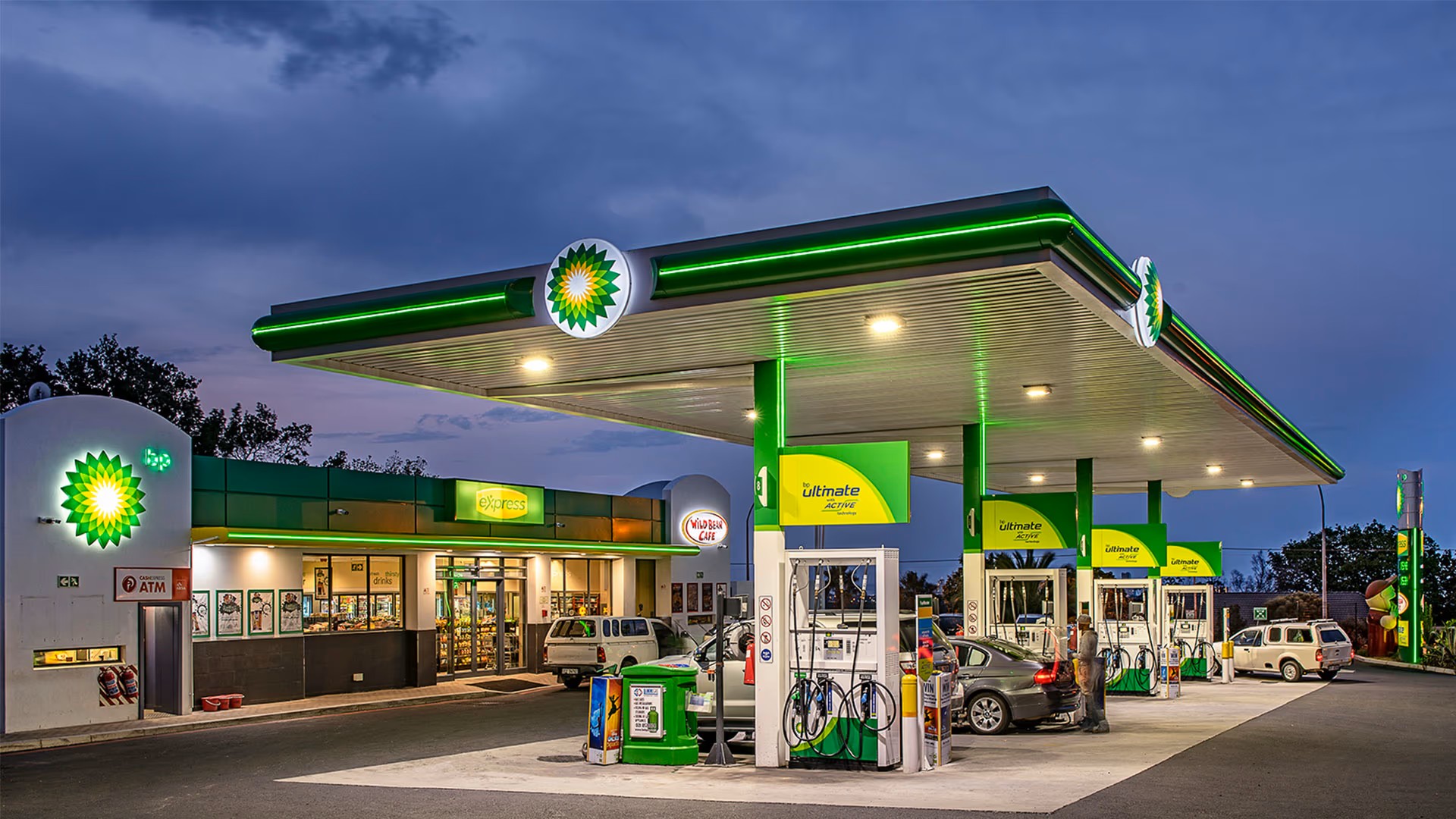
Fuel station dealers are under growing pressure to generate more income from food and convenience retail as higher fuel prices and tight margins squeeze their bottom lines. Tasty Gallos’s new partnership with BP Southern Africa speaks directly to this challenge, opening the way for participating dealers to add a new source of non-fuel revenue by adding a home-grown chicken franchise to their forecourt offering.
Consumer strain has intensified again this month, with petrol and diesel prices rising by more than R3 a litre. In total, motorists are now paying over R9 per litre more for fuel than at the beginning of the year, giving them greater incentive to consolidate trips and favour forecourts where they can meet more than one need. For dealers, meanwhile, higher prices at the pump do not necessarily mean stronger returns, driving emphasis on earning more from each visit beyond the fuel sale itself.
Against this backdrop, Tasty Gallos is provisionally targeting the second quarter of 2027 for its first BP quick service restaurant (QSR), subject to agreements being concluded with participating dealers.
Muhammed Gutta, founder and CEO of Tasty Gallos, notes the opportunity for dealers in these QSR partnerships lies in earning more from existing forecourt traffic and attracting customers who stop specifically for a meal, providing dealers with a source of trade that does not depend on motorists needing to refuel.

“A customer may pass the same station every day without needing to fill up. A restaurant gives the dealer a chance to bring that customer onto the site between fuel purchases and build more regular trade,” he says.
Notably, research published by the Fuel Retailers’ Association in June this year found that fuel volumes had declined by 6.3% over the previous year, while fuel sales fell by 4.2% in 2024. Historically, around 90% of a fuel station’s income came from fuel sales, but it projects that this could fall to as little as 20% as forecourts evolve and other revenue streams become more important.
Consumers are already increasingly stopping at stations for reasons beyond refuelling, with around 68% buying fast food. This behaviour is unlikely to be temporary, with 75% of customers indicating they expect to maintain or even increase their visits to fuel stations.
Food is key to forecourt economics
The commercial appeal of QSRs has therefore gained further momentum. A restaurant that offers motorists a high-quality meal they enjoy gives them a reason to favour one forecourt over another, while creating a valuable source of non-fuel trade for the dealer.
“Chicken is already a familiar part of how South Africans eat on the go, so Tasty Gallos’s offering translates naturally into a forecourt environment. Our flame-grilled and fried chicken gets its bold flavour from our unique blend of sauces and spices, developed to make every bite unmistakably Tasty. In a forecourt setting, that gives customers a compelling reason to stop, spend more time on the site, and potentially spend across the broader convenience offering,” adds Gutta.
“For example, a customer stopping for a meal may add drinks, snacks, or other essentials from the adjoining shop. Meeting more of those needs under one roof creates more opportunities to earn from each customer visit.”
Building on the BP relationship
Tasty Gallos is engaging with BP dealers and fuel station operators to identify suitable partners for its forecourt expansion across South Africa.
“We’re looking for operators who see the restaurant as a business worth building and are prepared to take an active role in its success. Our name goes above the door, so we care deeply about who’s running it. The dealer also has to want the restaurant to succeed just as much as we do, because they’re the one driving business on the ground.”
Tasty Gallos has an established presence in major shopping centres, including Eastgate, Greenstone, The Glen, and Mthatha Plaza in the Eastern Cape, and recently opened a new location at the University of the Witwatersrand, with further expansion plans already underway.