
UAE fuel retailer Adnoc Distribution has named South African investment group Reatile as its black economic empowerment partner in its R16bn deal to acquire Shell’s downstream business in South Africa, a network of about 600 forecourts. Adnoc said the partnership supports its commitment to complying with the country’s transformation requirements while contributing to its long-term economic priorities, including local participation.
Adnoc chief executive Bader Saeed Al Lamki said the partnership with Reatile marked an important step in the company’s commitment to South Africa, pointing to Reatile’s understanding of the local energy sector, its regulatory environment and its operating requirements. Neither company disclosed the size of the equity stake Reatile will hold. The deal is expected to close in 2027.
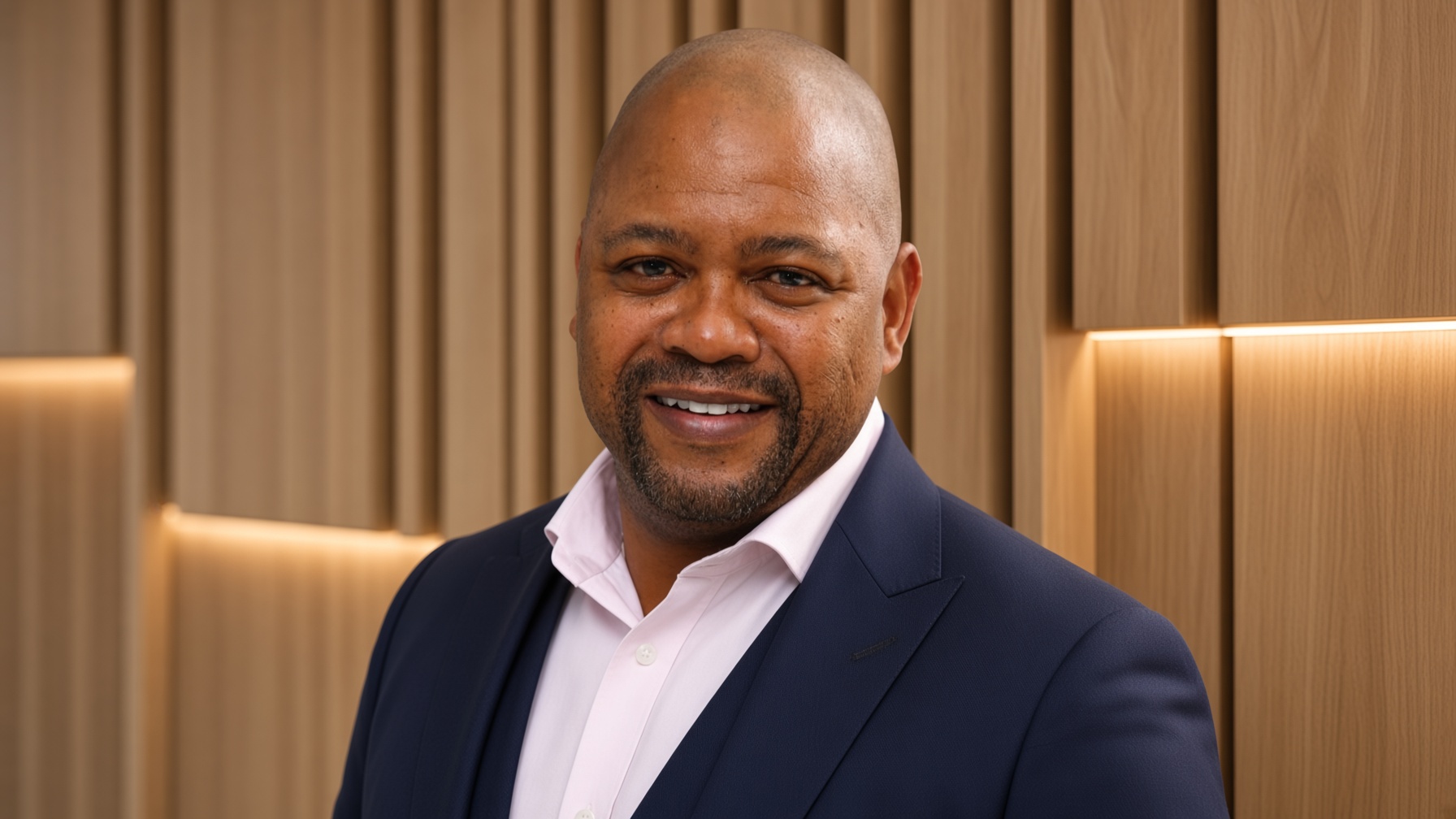
For Reatile, founded and chaired by Simphiwe Mehlomakulu, the transaction extends a 23-year run of energy investments spanning liquefied petroleum gas, pipeline gas, fuel storage, bitumen, renewables and battery storage. Mehlomakulu, who also sits on the board of JSE-listed logistics group Super Group, described the deal as a significant milestone, citing the combination of Adnoc’s global scale with Reatile’s local market knowledge and industry relationships.
| Adnoc Distribution market capitalisation | R219.6bn |
| Adnoc Distribution net profit, 2025 | R12.18bn |
| Reatile Group acquisitions and mergers since 2003 | 34+ |
| Reatile funding secured from RMB, February 2026 | R4.45bn |
| Shell Downstream SA forecourts | approximately 600 |
| Implied enterprise value of the deal | R16bn |
Mehlomakulu’s own path to Reatile began at Sasol in 1993, where he worked across chemicals, technology and solvents roles, including a stint as global export manager for Sasol Solvents. A move to PetroSA followed, where he led its European operations as managing director from 2003, the same year he co-founded Reatile with a bank loan and personal capital at risk. Standard Bank backed the venture early, taking an initial 15% stake that it raised to 35% by 2012.
Reatile’s growth has followed a consistent pattern of building on prior wins. Its first major push came through Reatile Gaz, launched in 2006, which took LPG market leadership in South Africa after acquiring the cylinder business of Air Products and the bulk LPG operations of Engen. The group’s footprint has since expanded to include stakes in Egoli Gas, the Vopak terminal in Durban, Pragma Africa and Rubis Asphalt South Africa, along with a 30% holding, alongside African Infrastructure Investment Managers, in Sasol’s Mozambique pipeline. Its renewables arm, targeting a 6GW project pipeline, was underpinned in February by the R4.45bn funding package from RMB, split between a R3.35bn holding company facility and a R1.1bn facility ring-fenced for renewable projects.
The empowerment requirement reflects a longer pattern in South Africa’s fuel retail sector, where black-owned partners have featured in major downstream deals since the Petroleum Liquid Fuels Charter era. Thebe Investment Corporation, a black-owned investment group, has held a 28% stake in Shell’s South African downstream business since 2002, a holding it sought to exit from 2022 through a contractual put option. That valuation dispute, reported at the time to pit Thebe’s roughly R3.2bn assessment against Shell’s own figure, was referred to arbitration, and its resolution ahead of the Adnoc transaction has not been detailed publicly.
Adnoc has described the South African fuel retail sector as attractive, citing continued investment in transport infrastructure, a growing driving-age population and a regulated pricing framework designed to shield margins from inflation and currency swings. The acquisition would make South Africa Adnoc Distribution’s fourth market, following its home base in the UAE, its entry into Saudi Arabia in 2018 and its purchase of a 50% stake in TotalEnergies Marketing Egypt in 2023.