

South Africa’s beloved Polo clothing label, a fixture in wardrobes for nearly five decades, is passing into the hands of its American namesake. The Competition Commission has given the green light to Ralph Lauren Corporation’s acquisition of all rights, titles, and interests in the brand from local owner LA Group. This deal transfers the Polo trademarks, filings, and associated goodwill, effectively merging the two entities that have coexisted uneasily for years. While the commission identified no major antitrust hurdles, it attached public interest safeguards to protect jobs amid the shift.
As detailed by BusinessTech, the transaction bars LA Group from laying off any permanent staff tied to the production, distribution, or sale of Polo products linked to the assets. This measure aims to preserve employment in a sector vulnerable to foreign takeovers, reflecting broader regulatory scrutiny on mergers that could disrupt local economies. The acquisition, valued in the context of Polo’s established sub-Saharan footprint, positions Ralph Lauren to inject global expertise into a brand that has long punched above its weight in African retail.
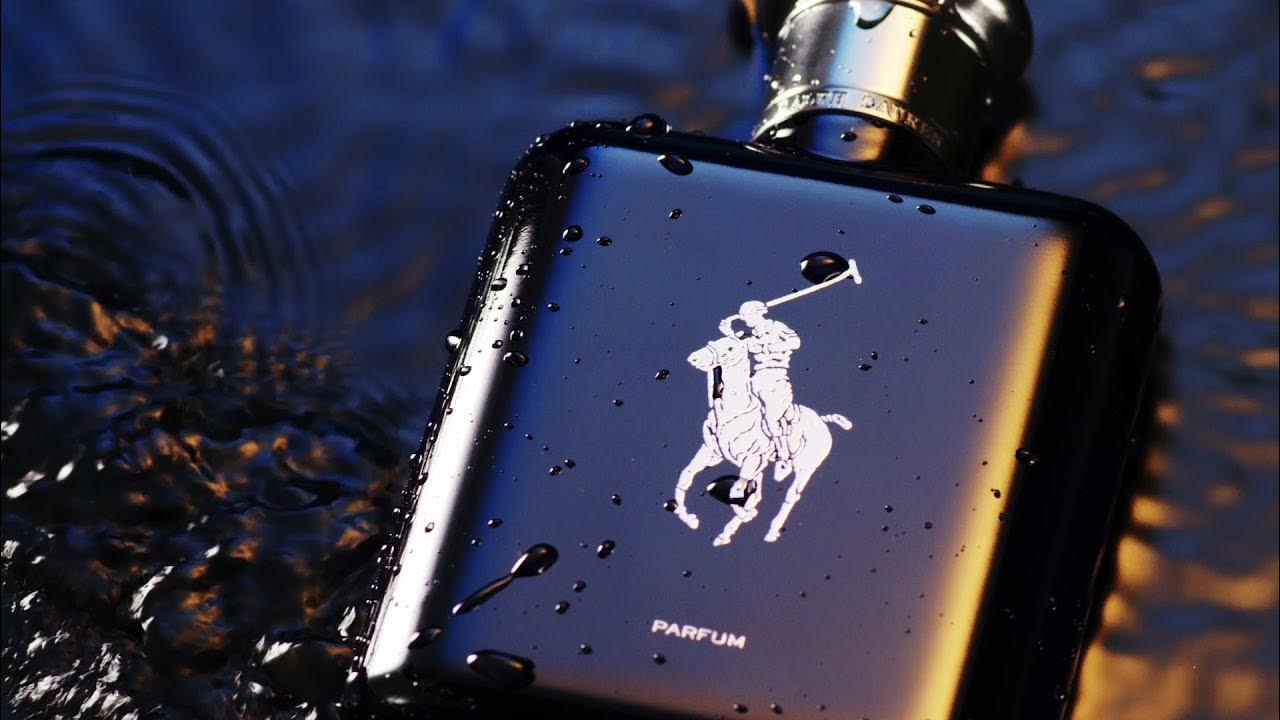
The story of South Africa’s Polo is laced with intrigue and courtroom drama. Founded in 1976 by LA Group, it registered a polo player emblem eerily similar to Ralph Lauren’s iconic 1967 design – a mounted rider swinging a mallet. According to ENSafrica, Ralph Lauren’s 1977 bid to invalidate the local mark faltered under pre-1994 trademark laws that favoured first-come, first-served registration over international prestige. This quirk locked the US firm out of apparel sales in the region, confining it to cosmetics and fragrances via a secretive coexistence pact struck in the 1980s. South African shoppers, often none the wiser, snapped up Polo shirts and chinos at mid-tier prices, unaware they were not the luxury originals fetching premiums abroad. A subtle clue? The local pony faces right, while Ralph Lauren’s gallops left.
Tensions boiled over in a 2015-2022 saga not with Ralph Lauren, but the United States Polo Association (USPA), whose merchandise – licensed through Stable Brands – mirrored the disputed logo. LA Group sued for infringement, only for the countersuit to threaten over 40 trademarks, arguing consumer confusion across multiple “Polo” players. Court papers spilled details of the US coexistence deal, highlighting how LA Group dominated clothing while Ralph Lauren carved a niche in beauty. The High Court initially sided against LA Group in 2019, but the Supreme Court of Appeal overturned it in 2022, affirming the marks’ validity as long as origin clarity held for buyers.
This latest move could finally corral the scattered Polo herd. Ralph Lauren, a $6.4 billion powerhouse with 180-country reach, gains unhindered access to South Africa’s apparel market, potentially elevating Polo’s quality and export potential. For LA Group, it sheds a contentious asset, freeing resources for other ventures. Analysts, as noted in Business Insider Africa, foresee streamlined branding and boosted prestige, though integration challenges loom. In a nation where fashion mirrors social aspiration, this handover whispers of globalisation’s pull – blending homegrown grit with Yankee polish, and perhaps mending a logo-led legacy once torn by legal reins.