
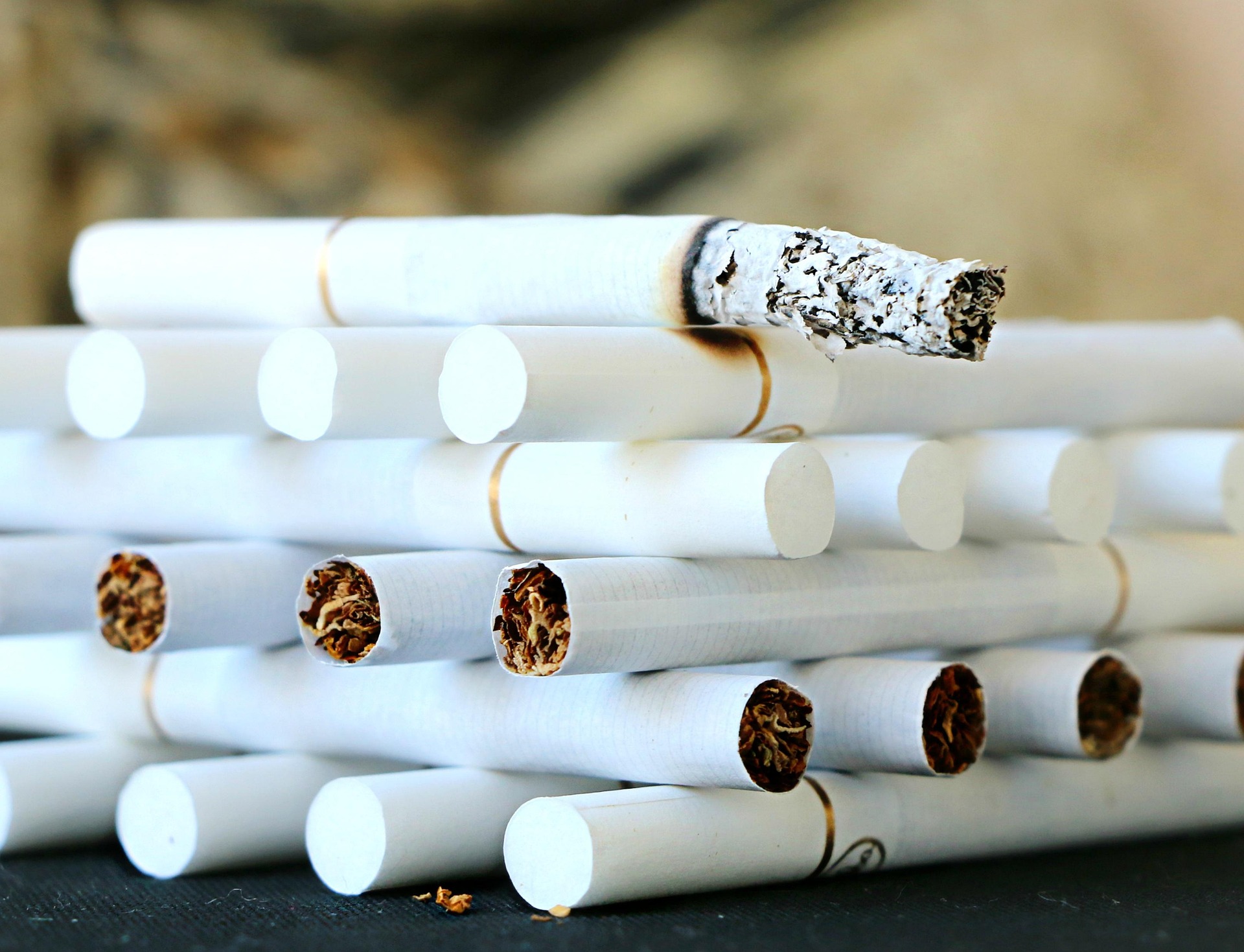
British American Tobacco (BAT) has warned that South Africa is losing the fight against criminal syndicates in the illicit economy, saying smugglers and illegal manufacturers continue to operate openly despite a new government crackdown.
The company, which is months away from ending local production, said illicit cigarettes now account for 75% of the domestic market. According to figures cited by National Treasury, the wider illicit economy accounts for about R700 billion of South Africa’s gross domestic product.
BAT said a survey it commissioned from Ipsos found illicit products on sale in four out of five stores visited, while cigarettes selling for less than R20 a pack, below the tax due on a legal pack, were available in almost two-thirds of stores.
South Africa’s Illicit Tobacco Market
| Measure | Figure |
|---|---|
| Illicit share of cigarette market | 75% |
| Stores selling illicit products (Ipsos survey) | 4 in 5 |
| Stores selling packs under R20 | Almost two-thirds |
| Estimated lost excise revenue | About R30bn a year |
| Heidelberg plant utilisation | About 35% of capacity |
| BAT impairment on plant | £14m (about R310m) Sources: BAT, Ipsos, Business Day |
Johnny Moloto, head of corporate and regulatory affairs for BAT Sub-Saharan Africa, said the decision to close the company’s South African factory was an early warning to the rest of the economy. He put lost excise revenue at about R30 billion a year and said the problem extended beyond the tobacco industry to formal jobs, the capacity of law enforcement and the country’s growth prospects.
BAT announced in January that illicit trade had made local manufacturing unviable and that it would switch to imports. Its plant in Heidelberg, Gauteng, once the eighth-largest in BAT’s global network and an exporter to neighbouring countries, is operating at about 35% of capacity and is set to be mothballed at year-end. The group booked a £14 million charge on the plant in February.
In response to the closure, President Cyril Ramaphosa announced the National Illicit Economy Disruption Programme, known as Operation Ukubusa, to combat organised crime, illicit trade and economic crimes that undermine tax collection. BAT said the latest Ipsos results showed the operation had made no dent in the black market. Moloto called on the South African Revenue Service to show there were consequences for profiting from illicit trade, and warned that on the current trajectory the country would end up with no legal tobacco industry.
Allegations of links between cigarette smugglers and senior police officers have been aired at the Madlanga commission of inquiry. BAT’s surveys have previously been criticised by competitors as self-serving, although the plant closure has drawn wider attention to the scale of the problem.
Estimates of the illicit economy vary widely. Research for the Consumer Goods Council of South Africa released in August valued illicit trade across 12 sectors, including alcohol, tobacco, food, pharmaceuticals, clothing and fuel, at R280 billion. South African Breweries has separately warned of a R25 billion illicit alcohol market.
BAT, which produces Peter Stuyvesant, Pall Mall and Dunhill, has a market value of nearly R2 trillion on the JSE.