
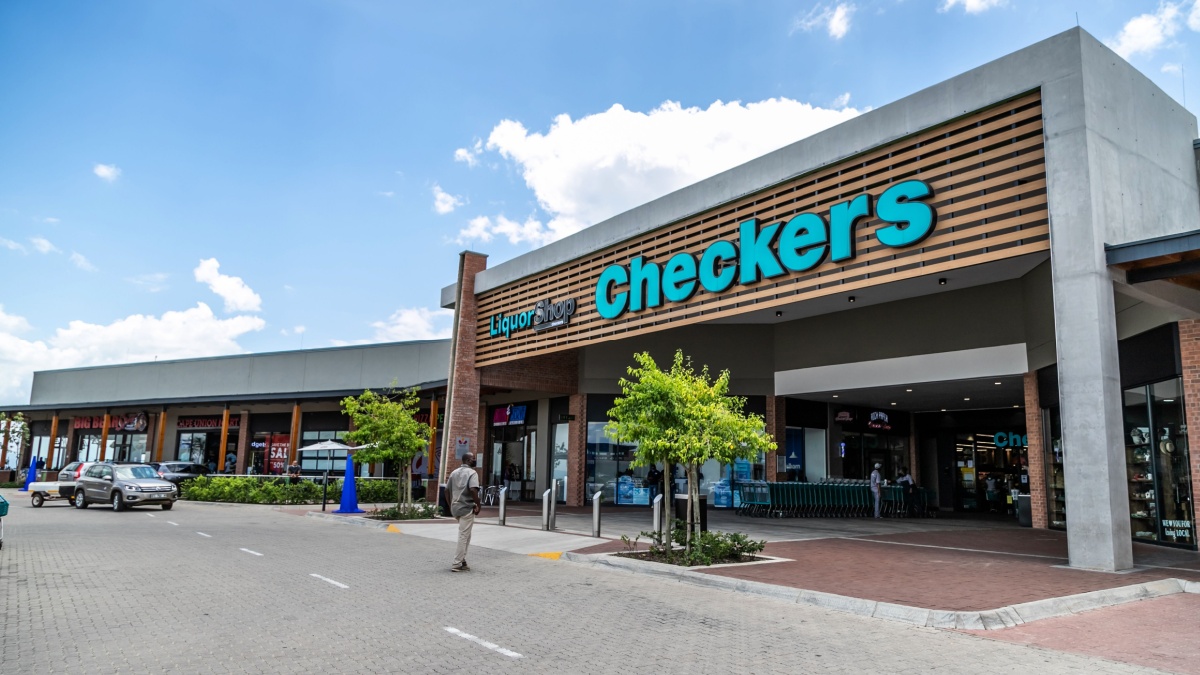
South Africa’s first commercial crop of Cosmic Crisp apples reached shelves in mid-September, sold exclusively through selected Checkers and Checkers Hyper stores. The fruit comes from Tru-Cape Fruit Marketing, whose grower shareholders in Grabouw and Ceres put the first trees in the ground in 2022. The cultivar, registered as WA 38, was bred at Washington State University from a cross between Enterprise and Honeycrisp, and reached American shelves in 2019.
The launch is less a novelty than an entry into the economics of club varieties, where a cultivar is patented, trademarked and released only to licensed growers. Washington State University owns the intellectual property and appointed Proprietary Variety Management to handle licensing. Growers pay a royalty of about $1 (roughly R16) a tree plus 4.75% on branded fruit sales, a structure that has returned close to $55 million (about R885 million) to the university since commercialisation began in 2017. Washington growers, for their part, planted more than 11.5 million trees and committed over half a billion dollars (roughly R8 billion) within three years. Washington holds exclusive North American production rights until 2032, while the brand has been licensed into Europe, New Zealand, Australia, Chile, Argentina, India, Turkey, Israel, Russia and now South Africa.
For local growers, that licensing model lands in an industry already restructuring. Apples remain South Africa’s largest deciduous crop, and Hortgro has noted that recent movement in apple orchards is driven more by replacement than expansion, with weaker blocks pulled out and replanted at higher densities on newer rootstocks and cultivars. A counter-seasonal supply window into the northern hemisphere gives new varieties a commercial rationale beyond the domestic aisle. Farmer’s Weekly
| South African apple industry | Figure |
|---|---|
| Apple area planted, 2025 | 25,385 ha |
| Largest cultivar by area (Royal Gala/Gala) | 4,937 ha |
| Apple exports, 2025 season | 49.6m equivalent cartons |
| Apple export estimate, 2026 | 52.2m cartons, up 5% |
| Share of pome and stone fruit exported | 48% |
| Pome and stone fruit producers | 1,109 |
The retail side of the deal follows a pattern Shoprite has used before. Freshmark general manager Quintin Paladin, whose division handles fruit and vegetable procurement for the group, has put red and blush apples at roughly 60% of the chain’s apple sales, and says the variety was picked up after a tasting in the United States. Cosmic Crisp joins an exclusive range that includes Pink Lemons, Finger Limes and ONIX citrus, giving the retailer a product competitors cannot stock.
Tru-Cape, owned by the growers behind Ceres Fruit Growers and Two-a-Day, has framed the launch as varietal screening rather than a gamble. Managing director Roelf Pienaar has described the introduction as part of the company’s evaluation of international cultivars under local conditions, while technical manager Jeanne Fourie has pointed to the pale lenticels that give the skin its speckled look.
The variety’s commercial case rests on storage and handling. It resists browning once cut and holds texture in cold storage for close to a year, which suits fresh-cut ranges and extends the selling window. The constraints are equally clear: royalty costs, licence territories that limit where fruit may be exported, and volumes that remain small until the 2022 plantings mature. The test will be whether shoppers pay a premium twice.