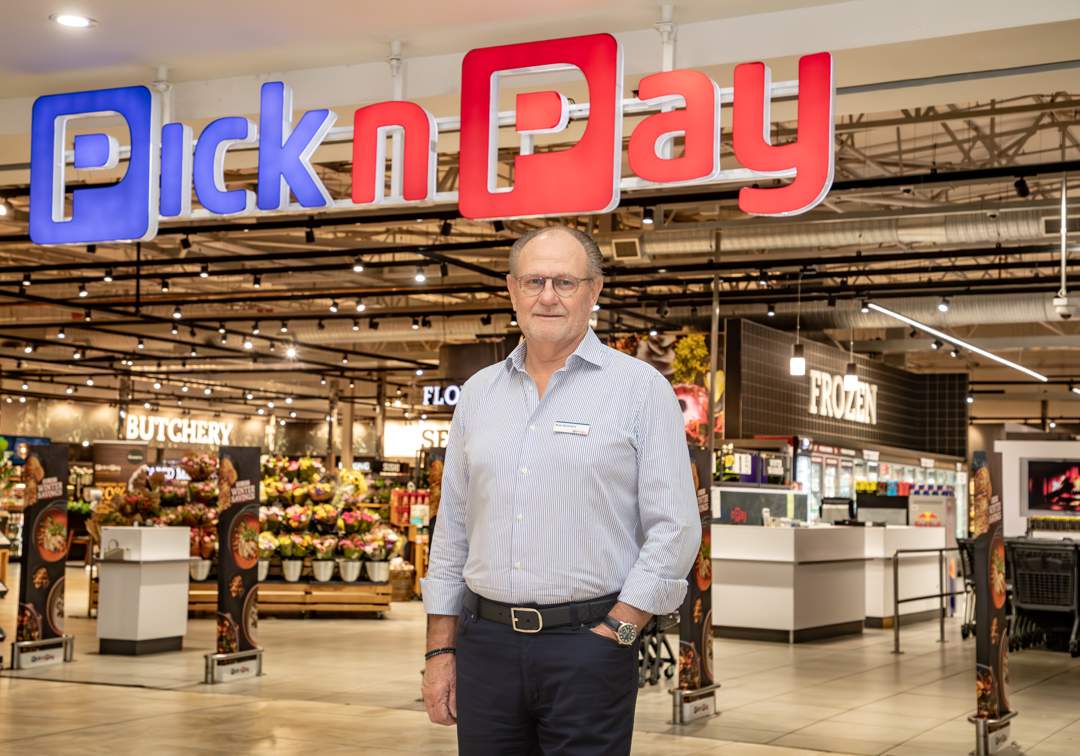
South Africans are increasingly bypassing conventional bank branches and automated teller machines in favour of retail outlets for routine financial transactions, a shift propelled by convenience and affordability amid persistent economic strains. This trend, highlighted by Pick n Pay, underscores a transformative convergence of commerce and finance in a nation where 10 per cent of adults remain unbanked, according to the latest Financial Inclusion Survey, while digital adoption surges with smartphone penetration exceeding 95 per cent. As traditional lenders grapple with branch closures—over 200 shuttered nationwide since 2023—supermarkets and discount chains are emerging as hybrid hubs, leveraging their 25,000-plus storefronts to capture a slice of the R1.2 trillion personal banking market.
Pick n Pay has reported a marked uptick in demand for embedded financial services, with cash deposits at checkout points soaring 60 per cent year on year, even as aggregate cash usage dipped nearly 10 per cent due to the embrace of contactless and mobile payments. Cryptocurrency settlements via the retailer’s platform have climbed more than 44 per cent to surpass R1.4 million monthly, while buy-now-pay-later schemes experienced explosive uptake during the Black Friday sales frenzy, particularly in apparel and household goods segments. These developments reflect a broader pivot where value-added services now contribute 13.5 per cent to the group’s revenue, up from 10 per cent two years prior, as younger demographics—aged 18 to 34—drive 65 per cent of such activity.
Read – Pepkor Gears up for Banking Breakthrough in South Africa
The retailer’s ecosystem operates without a full banking licence, instead partnering with Financial Sector Conduct Authority-regulated entities to deliver seamless integrations. Collaborations encompass First National Bank for till-based deposits and withdrawals, RCS for proprietary store credit, PayJustNow for deferred payments, and MoneyBadger for digital asset handling. This model not only democratises access in underserved townships and rural enclaves, where bank proximity averages 15 kilometres, but also appeals to grant beneficiaries seeking secure, fee-light disbursements. Notably, nearly a third of cryptocurrency users skew older, over 45, indicating intergenerational appeal in a market where fintech transaction volumes hit R500 billion in 2025, per industry trackers.
Pick n Pay’s executives emphasise the role of retail infrastructure in narrowing the financial inclusion chasm, positing that collaborative efforts among banks, innovators, and merchants accelerate equitable access more efficiently than siloed approaches. This philosophy dovetails with recent expansions, including a partnership with Capitec to enable in-store banking at 1,400 locations, augmenting an already robust network serving 11 institutions. By embedding services into the shopping routine, the group mitigates risks like informal lending traps, which ensnare 20 per cent of low-income households, while harnessing data to refine offerings—such as personalised QR codes that boosted tap-to-pay adoption by 40 per cent.
Pepkor, the apparel powerhouse with a sprawling 5,000-store network and over 10 million digital users, has similarly secured regulatory clearance to inaugurate banking operations, building on its fintech arm’s 31 per cent revenue surge to R16.6 billion in the year to September 2025. As reported by Reuters, this foray capitalises on existing transaction volumes—encompassing deposits, remittances, and micro-loans—to target the underbanked, mirroring a sector-wide gambit where apparel-to-finance hybrids now process R200 billion annually in payments. The initiative, slated for detailed unveiling in March 2026, leverages acquisitions like CloudBadger to underpin digital rails, potentially eroding margins for incumbents reliant on 2 to 3 per cent transaction fees.
Shoprite, Africa’s largest food retailer, is poised to intensify this disruption with a forthcoming zero-fee transactional account, harnessing its 14 million loyalty programme members and vast data reservoirs to underwrite low-barrier entry. According to Business Day, the product aims to supplant traditional models by eliminating monthly charges and capping withdrawals at a nominal R5, aspiring to funnel 30 to 50 per cent of group profits from financials—a lofty ambition given the division’s current R2.5 billion contribution. Evolving from its 2020 Money Market launch, which now serves two million users, this evolution positions Shoprite as the sole fully regulated retail bank in South Africa, challenging peers like TymeBank’s kiosk model that has onboarded eight million accounts.
This retail incursion into finance arrives as disruptors like Capitec—boasting 25 million clients and a R460 billion valuation—embolden challengers, fostering a multibanked populace where 60 per cent hold multiple accounts. Traditional quintets—Absa, Standard Bank, FirstRand, Nedbank, and Investec—face margin compression, with non-interest income growth stalling at 5 per cent amid regulatory scrutiny on fees. As reported by BusinessTech, the influx signals a maturing ecosystem where embedded finance could swell to R300 billion by 2030, propelled by open banking mandates and AI-driven personalisation. For consumers, this heralds empowered choices in a R2.5 trillion sector, yet raises queries on data privacy and equitable scaling as retailers wield unprecedented transactional sway.