

Chinese automakers Great Wall Motors (GWM) and Chery have announced plans to begin assembling vehicles in South Africa in response to a surge in demand. September vehicle sales in the country rose by 24% year-on-year, totaling 54,700 units, with expectations of returning to pre-Covid-19 levels for the first time in 2025, signaling renewed confidence in South Africa’s economic outlook.
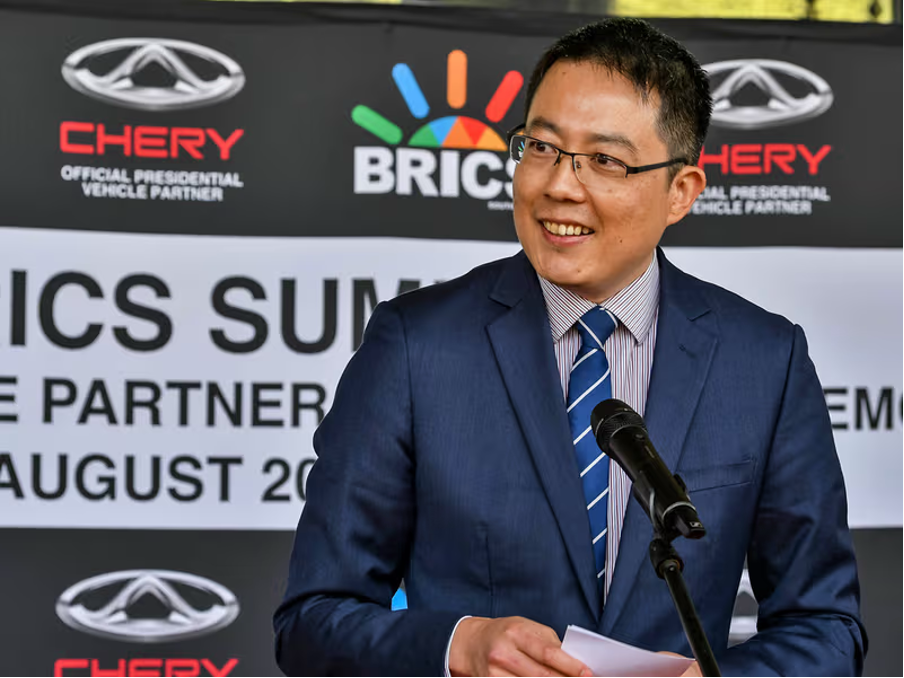
Chery aims to nearly double its sales in South Africa this year, targeting up to 39,000 units, according to Tony Liu, CEO of Chery’s local unit. The company is expected to make a decision regarding a complete knock-down plant within the next three to six months, which could either be a greenfield project or a takeover of an existing facility.
Liu stated, “We’re almost there,” indicating that the company is close to finalizing its plans.
Market Dynamics
The rapid growth of companies importing fully built vehicles from China and India has created significant market pressure on local manufacturers, prompting calls for increased import tariffs to incentivize local assembly and protect jobs. Established automakers such as Toyota, BMW, Ford, Volkswagen, and Mercedes-Benz operate full manufacturing plants in South Africa, while Suzuki Motor, which imports most models from India, has experienced substantial growth.
In September, Chery’s brands—including Jetour, Omoda, and Jaecoo—sold 4,280 passenger cars in South Africa, ranking fourth in sales, ahead of Hyundai, Ford, and Kia. GWM held the sixth position in the passenger vehicle segment, which is led by Toyota.
Strategic Directions
Chery is likely to pursue the option of moving into an existing plant, as constructing a new facility would require more time and resources. Liu did not disclose further details regarding costs or specific facilities under consideration for takeover.
GWM, which markets its Haval and Tank brands in South Africa, is engaged in discussions with local assemblers to initiate joint manufacturing of pickup trucks. Conrad Groenewald, the COO of GWM’s local unit, highlighted the challenges of justifying a new local assembly plant due to stringent local-content requirements and the high volume threshold of 50,000 vehicles per year.
Initial studies suggest that importing fully built vehicles may yield a 4% margin improvement compared to local assembly. However, Groenewald emphasized that they are seeking a more substantial margin increase—ideally around 10%—to attract investor confidence.
GWM anticipates a 20% growth in local sales next year, reflecting optimism about the South African market’s potential.