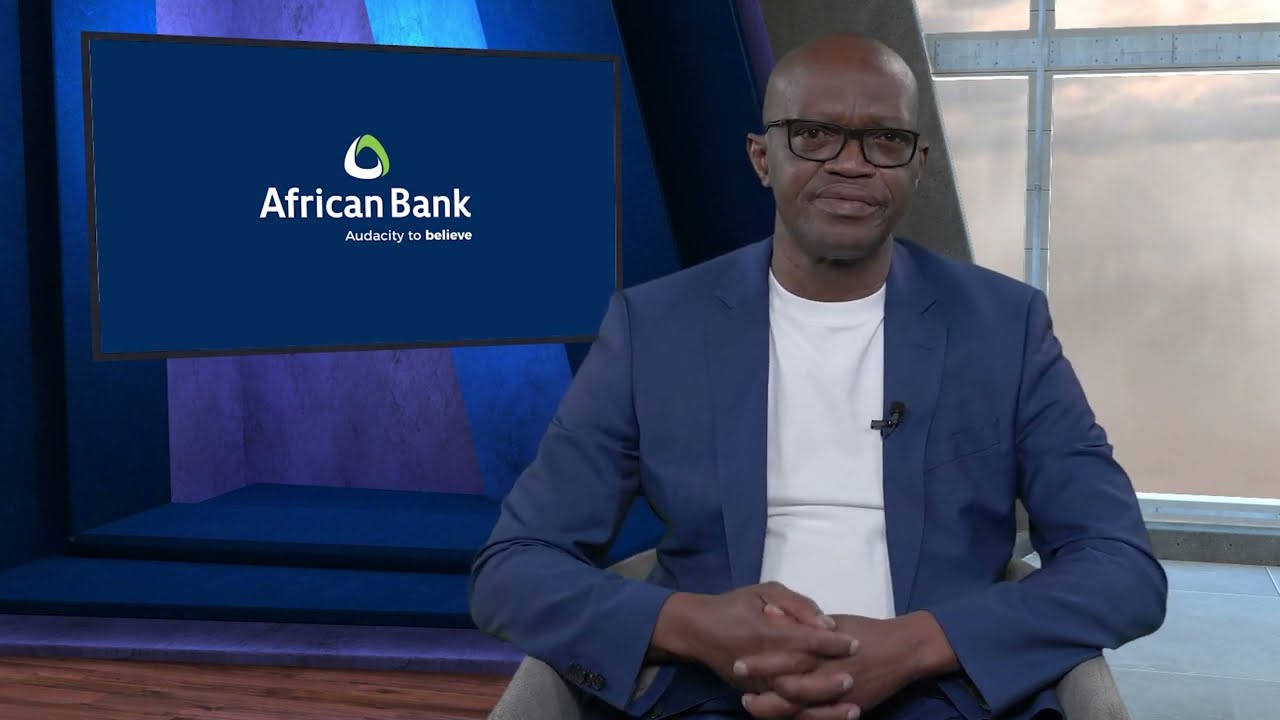
African Bank has named Zweli Manyathi as its interim Group Chief Executive, effective 6 March 2026, as the lender moves to consolidate a years-long transformation from a near-failed single-product lender into a fully diversified financial institution. The appointment, pending regulatory sign-off, follows the departure of Kennedy Bungane, who spent five years steering the bank under its Excelerate strategy.
Bungane’s exit marks the end of a leadership chapter that fundamentally recast the bank’s identity. When he took the helm in 2019, African Bank was still rebuilding its credibility after its 2014 collapse — a failure that had required a government-backed rescue and stripped the institution of public trust. Over five years, he shifted its business away from high-risk unsecured personal lending and towards a broader model that now spans personal, business, and commercial banking.
The strategy was underpinned by a series of targeted acquisitions. The bank absorbed UBank, which extended its reach into underserved communities, then moved on to Grindrod Bank and selected assets from Sasfin Bank, both of which deepened its commercial and business banking capabilities. As reported by African Bank’s own financial reporting for the year ended September 2025, non-interest income rose 39 per cent to R2.1 billion over the period, while net advances climbed 15 per cent to R37.1 billion, driven largely by the business and commercial banking division. The active customer base reached 6.3 million — up from just 1.2 million five years prior.
It is Manyathi who now steps into that expanded operation. He currently leads African Bank’s Business and Commercial Banking division, the very engine that drove much of the diversification effort. He personally oversaw the Grindrod and Sasfin acquisitions, and his division has been central to the bank’s push into the micro, small, and medium enterprise sector. Before joining African Bank, he held senior positions at both Standard Bank and First National Bank, where he led business and commercial banking units and branch operations at executive level.
READ – African Bank CEO Exits in Surprise Move
The board described the transition as deliberate and well-prepared, noting that Manyathi has been deeply embedded in the bank’s strategic planning. Chairman Thabo Dloti indicated the board’s confidence in Manyathi’s ability to maintain momentum alongside the existing executive team, framing the appointment as a continuation rather than a course correction.
The leadership change arrives at a pivotal moment for the South African banking sector. South Africa’s banking environment in 2026 is being shaped by tighter monetary conditions and a structural shift towards open, interoperable digital finance, with the South African Reserve Bank increasing its scrutiny of liquidity management and credit exposure. Institutions that built out digital infrastructure and diversified revenue streams during the previous cycle are entering this environment in stronger shape.
African Bank’s path through this landscape will depend on how effectively Manyathi can integrate its recent acquisitions, stabilise earnings — which dipped to R274 million in 2025 from R517 million the year prior largely due to integration costs and a weaker insurance performance — and build on the commercial banking foundations he himself helped lay. The board has not indicated a timeline for a permanent appointment.