The Pretoria High Court has granted interim relief to cattle farmers, permitting them to privately procure and administer imported vaccines to combat the ongoing foot-and-mouth disease (FMD) outbreak. The ruling marks a significant shift in the management of the crisis, which has severely disrupted livestock movement and agricultural trade since 2021.
The legal action was brought by agricultural lobby groups Sakeliga, Suider-Afrika Agri Inisiatief (SAAI), and Free State Agriculture. They argued that the state’s exclusive control over the vaccination rollout was too slow to effectively contain the virus, which threatens South Africa’s 14-million-strong national cattle herd. The court order, handed down by Judge Cornelius van der Westhuizen, allows livestock owners to participate in private vaccination under auditable conditions, while the state retains control over its own procured doses.
Under the court’s strict conditions, farmers must notify the relevant provincial director of veterinary services or state veterinarian at least five days prior to vaccination. They are required to provide detailed information regarding the animals and their location, ensure the vaccine cold chain is maintained, and submit formal proof following administration. The order applies to all cloven-hoofed livestock, including cattle, sheep, goats, and pigs. Crucially, the ruling only permits the use of vaccines that have been lawfully imported or manufactured in South Africa; it does not grant farmers an automatic right to manufacture or import the vaccines themselves.
READ – More FMD Vaccines Arrive in South Africa
The ruling was welcomed by FMD Response SA, an industry body representing over 250 farmers and veterinary experts. Spokesperson Andrew Morphew criticised the government’s current 11-month vaccination timeline as inadequate. He noted that achieving the simultaneous immunity required to halt transmission and meet the World Organisation for Animal Health (WOAH) standards requires mass vaccination within a tight six- to eight-week window. The group cited the slow state rollout as the primary reason vaccinated dairy cattle in KwaZulu-Natal recently became infected, noting credible reports that over 90% of commercial beef farmers in the province have been unable to access state vaccines.
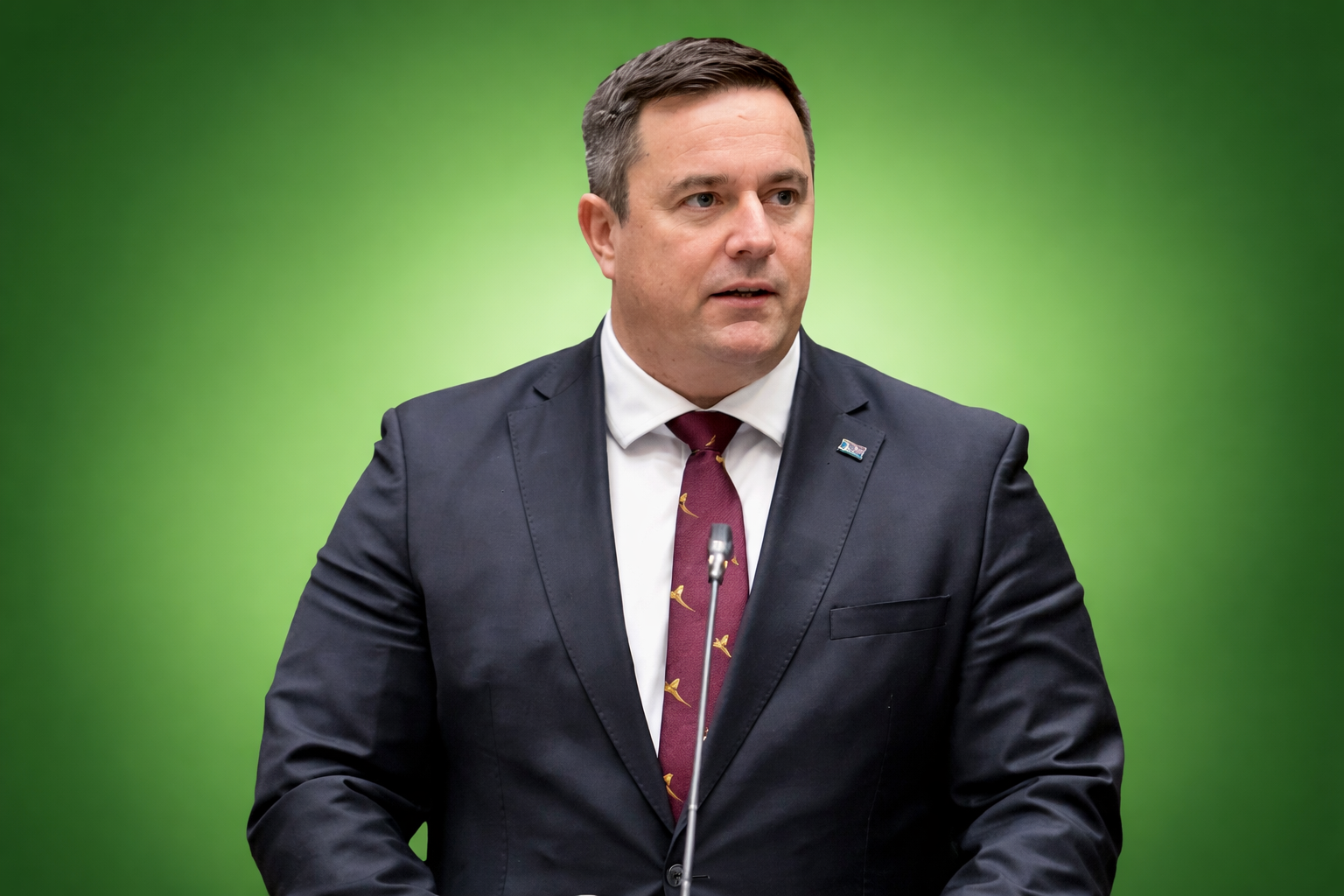
Agriculture Minister John Steenhuisen had argued that the litigation was largely overtaken by the recently gazetted section 10 animal health scheme, which he claimed provided a lawful framework for private industry participation. However, the court found that the gazetted scheme did not constitute a substantive defence to the application, ordering the minister and senior agriculture officials to pay the costs of the application.
The economic stakes are severe. Industry forecasts suggest the FMD outbreak could cost the beef sector alone up to R3.2 billion between 2025 and 2030, driven by movement restrictions, reduced fertility, and lost milk yields. South Africa lost its WOAH-recognised FMD-free status in 2019, though it has managed to maintain some exports — which totalled over 28,000 tonnes in 2022 — through bilateral agreements on safe commodities.
The government maintains it is intensifying its response. Steenhuisen confirmed that approximately 13.5 million vaccine doses have been secured from local and international sources, including a recent 3.5-million-dose consignment of Biogénesis Bagó vaccines from Argentina. The state’s objective remains to vaccinate at least 80% of the national herd with two doses to eventually regain WOAH-recognised FMD-free-with-vaccination status.