
Luxury is showing signs of recovery after a difficult 2025, when the global personal luxury goods market contracted 2% to €358 billion. Sales are forecast to grow between 2% and 4% in 2026, but the recovery is proving uneven, with some of the industry’s biggest names continuing to struggle.
Hermès reported a 10.8% increase in third-quarter leather goods and saddlery sales at constant exchange rates, while Gucci’s revenue fell 6% on a comparable basis and LVMH’s Fashion & Leather Goods division recorded a 5% organic decline.
A similar pattern is emerging in South Africa’s pre-owned luxury market, according to Luxity’s ninth State of the Luxury Market in Africa report, which analyses search interest, purchases and resale prices from July 2025 to June 2026.
Hermès sets the pace
Hermès recorded an overall resale-to-retail ratio of 119.2% in Luxity’s analysis, meaning its items resold on average for more than their retail price. The median ratio across its products was considerably lower, at 68.2%.
The difference between the average and the median comes largely from highly sought-after handbags such as the Birkin and Kelly. When handbags are considered separately, Hermès’ weighted resale-to-retail ratio rises to 162.5%, well ahead of Louis Vuitton at 70% and Christian Dior at 67.2%.
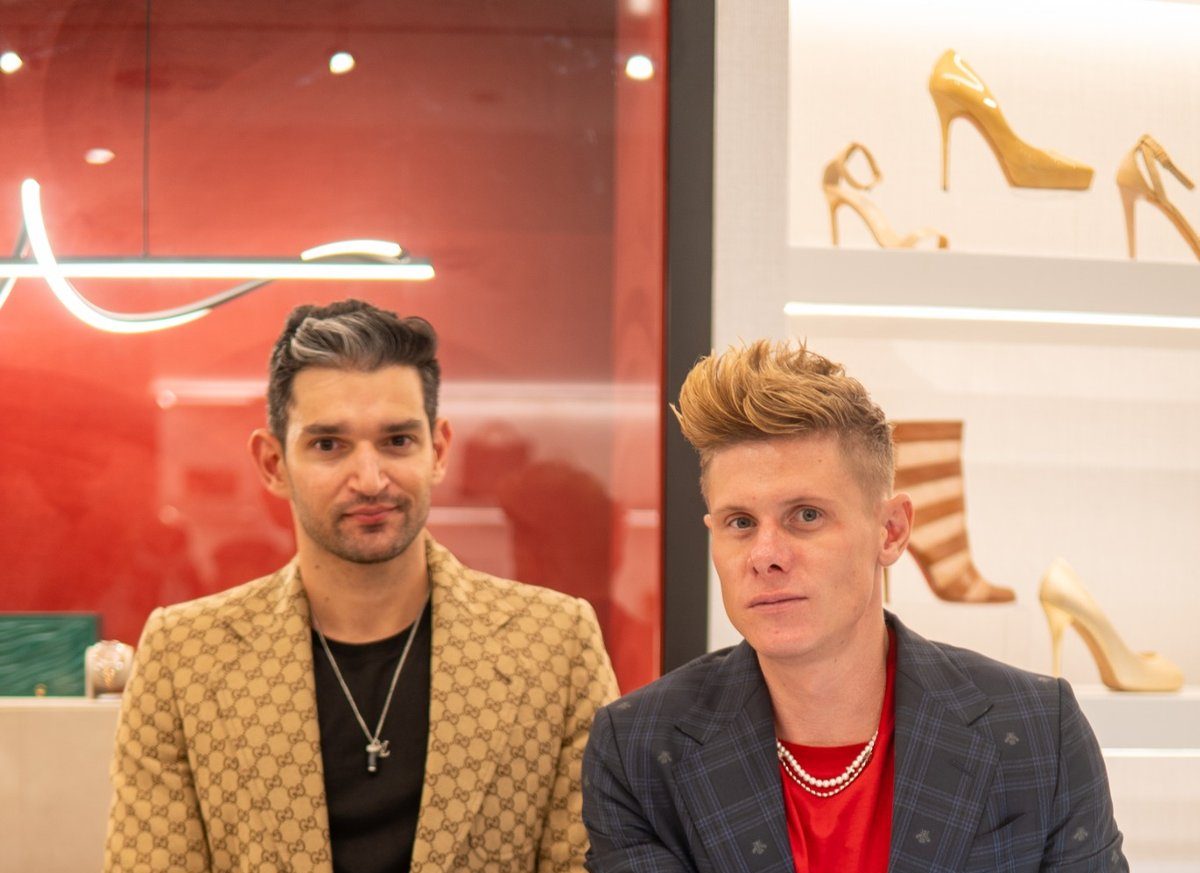
“Birkins and Kellys can command two or three times their retail price, but that doesn’t mean every Hermès product performs the same way. The model, its scarcity and its condition can make an enormous difference to resale value,” says Michael Zahariev, co-founder of Luxity.
Two handbags, different fortunes
The Louis Vuitton Neverfull MM and Gucci Marmont both recorded median paid prices of R25,000 in the previous reporting period. A year later, the Neverfull had climbed 12% to R28,000, while the Marmont had fallen 12% to R22,000.
“Buyers often assume that two equally recognisable designer bags will behave the same way in resale. The Neverfull and the Marmont were evenly matched a year ago, and they show how quickly sentiment can shift from one brand to another, even in the pre-owned market,” explains Zahariev.
Louis Vuitton remains the most searched luxury brand on Luxity’s platform, accounting for 14.07% of brand search interest. It ranks among the top three brands for resale-to-retail value across five categories, including handbags, jewellery, clothing, accessories and wallets.
Most buyers spend under R10,000
Despite the attention commanded by rare handbags and high-value watches, most pre-owned luxury purchases remain at substantially lower price points.
The report found that 57.7% of purchases were below R10,000, while the median amount paid remained unchanged at R8,000. Wallets and jewellery also gained share of purchases, with median paid prices of R7,000 and R9,000 respectively.
“The headline-grabbing pieces are often the rare handbags selling for more than their retail prices, but that’s only one part of the market. For many shoppers, pre-owned is how they buy their first designer piece at a more accessible price,” notes Zahariev.
Beyond the biggest names
The report also examines the relationship between brand popularity and resale value, identifying Van Cleef & Arpels, IWC and Goyard as ‘under-hyped’ brands that achieve comparatively strong resale-to-retail ratios despite attracting less search interest. By contrast, Hermès and Rolex combine relatively strong resale ratios with established consumer interest.
Interest is also spreading beyond the industry’s traditional leaders. Loewe recorded a 139% increase in its share of brand searches on Luxity’s platform, while South African jeweller Browns increased its share by 77%. Miu Miu, meanwhile, improved on both search interest and resale-to-retail value, with its share of searches up 14% and its resale-to-retail ratio rising from 42.6% to 48.5%.
“The challenge for brands gaining ground now is turning that initial interest into lasting demand. Our next report will show which of them managed it,” concludes Zahariev.