
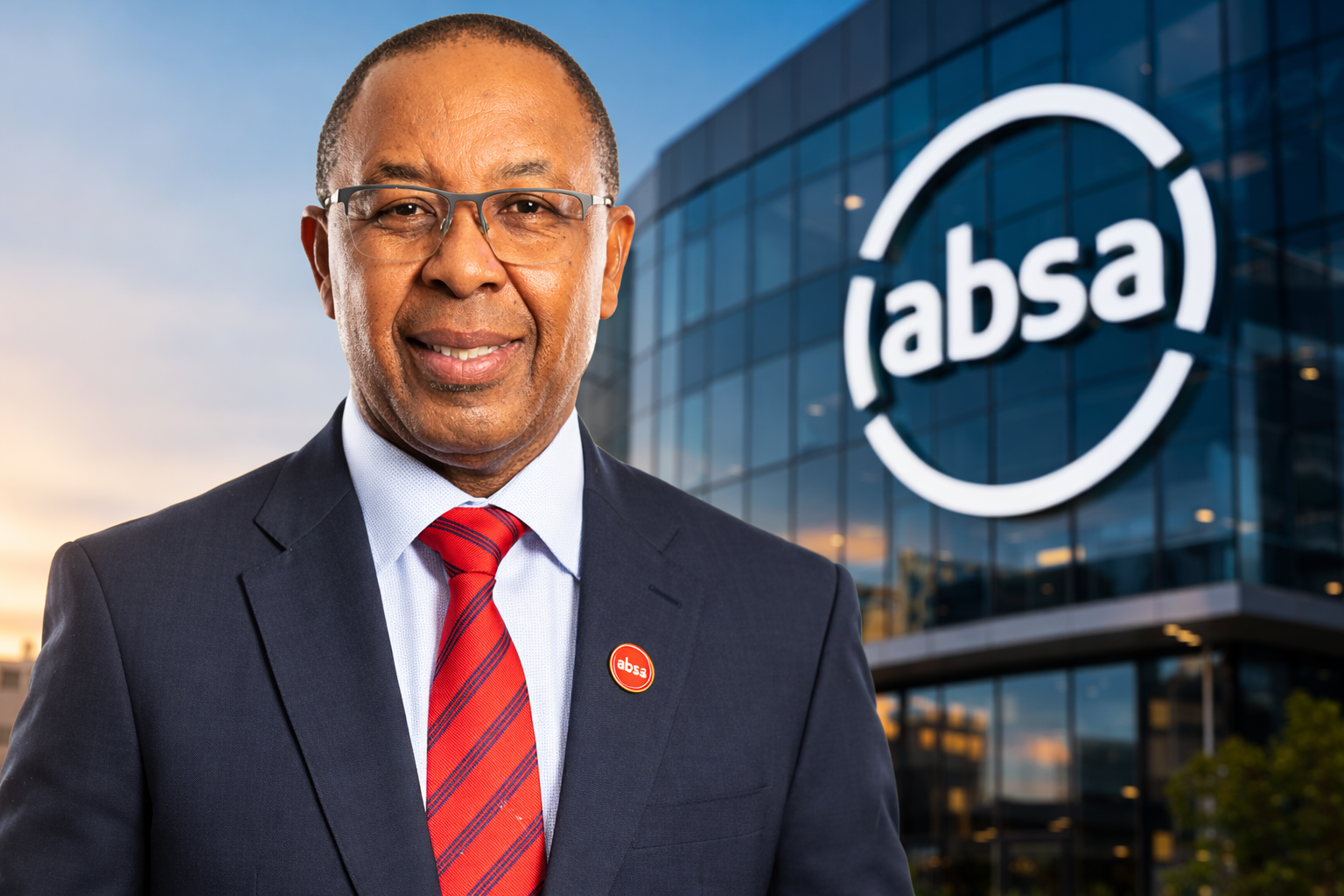
Absa Group has opened its first office in the Gulf, a branch in the Dubai International Financial Centre (DIFC). South Africa’s third-largest lender by assets is moving to capture rising trade and investment flows between the Middle East and Africa.
The branch, which operates as Absa Bank Limited (DIFC Branch), received a Category 4 licence from the Dubai Financial Services Authority in July. The licence allows it to arrange investment deals, advise on financial products, and arrange and advise on credit. The office will not lend from its own balance sheet. It will find deals among Gulf corporates, investors and financial institutions, and Absa’s operations in 16 African markets will handle the funding, execution and day-to-day banking.
The bank said client interest is strongest in infrastructure, energy, logistics and agriculture. The move puts Absa alongside its domestic rivals Investec, Standard Bank Group, Nedbank Group and Rand Merchant Bank, all of which already operate in Dubai.
| Indicator | Value |
|---|---|
| UAE-Africa non-oil trade, 2024 | about $112bn (R1.85trn) |
| UAE-Africa non-oil trade, 2025 | $158bn (R2.6trn) |
| SA-UAE non-oil trade, 2025 | $8.6bn (R141bn) |
| SA exports to UAE, 2025 | $3.17bn (R52bn) |
| SA imports from UAE, 2025 | $2.76bn (R46bn) |
| Absa’s African markets | 16 |
The trade figures help explain the timing. UAE government data shows that non-oil trade between the Emirates and Africa rose by about 41% to $158bn (R2.6trn) in 2025. According to UAE Minister of Foreign Trade Thani bin Ahmed Al Zeyoudi, South Africa is now the UAE’s second-largest trading partner on the continent, and bilateral non-oil trade has more than doubled since 2019 to $8.6bn (R141bn). South African exports to the UAE rose 6.2% in 2025, led by precious metals, diamonds, coal, vehicles and fresh produce, while imports from the Emirates fell 25.8%.
Gulf capital has also become a larger force in African infrastructure. Infinity Power, which has Emirati backing, bought Lekela Power and with it more than 600MW of operating wind capacity in South Africa. Al Zeyoudi described the deal as the largest renewable energy transaction in Africa’s history.
The office has opened later than first planned. In 2025, Yasmin Masithela, chief executive of Absa’s corporate and investment banking division, said the bank would open a representative office in the first quarter of 2026, subject to regulatory approval. She said Dubai had been chosen because many clients there want to invest in African infrastructure.
Cheryl Buss, chief executive of Absa International, said the decision followed the Gulf’s growing weight in African trade and investment. Clinton Clarke, the branch’s senior executive officer, said Gulf investors often find it hard to judge whether an African opportunity can become a workable business decision. He said a team in Dubai lets the bank work more closely with those clients and bring in the right African specialists. Arif Amiri, chief executive of the DIFC Authority, welcomed the bank and said its African network would add momentum to the corridor.
Because the office earns fees rather than lending, it is likely to bring in advisory and arrangement income rather than loan growth, and Absa will need to commit less capital to the region.
Dubai is part of a wider international push. Absa already runs trade corridors in the United Kingdom and the United States, and opened a non-banking unit in China in 2024. It plans to convert its representative office in Nigeria into a merchant bank and is exploring a representative office in Angola.