
A recent survey titled The Great Retirement revealed that 51% of the global workforce is expected to retire or leave within five years. For South African small and medium-sized enterprises (SMEs) already struggling with skills shortages, this could add additional pressure on business continuity, productivity and growth. With more than 60% of South African businesses already citing skills gaps as a barrier to progress, the loss of experienced employees doesn’t just create vacancies; it deepens an existing structural constraint.
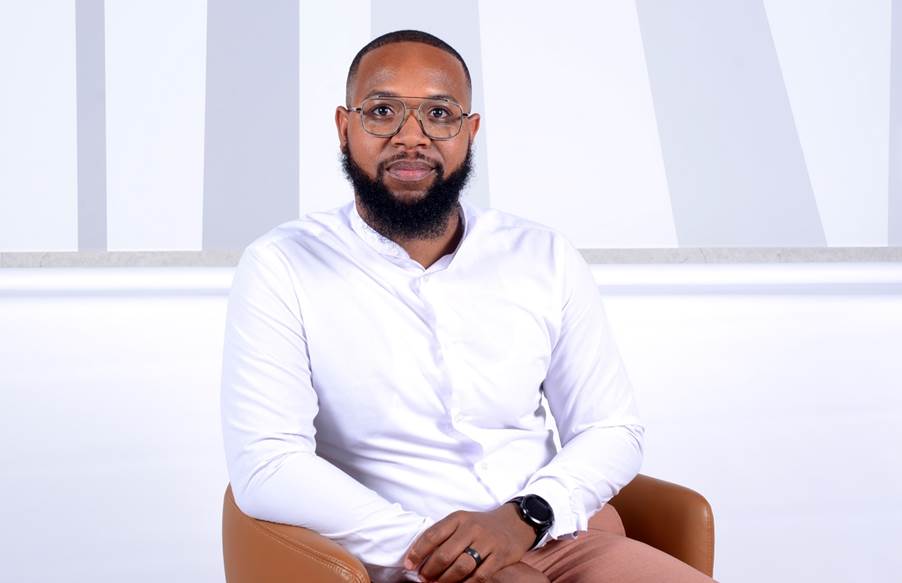
“For SMEs in particular, the departure of long-serving employees can mean the loss of critical knowledge, operational insight and client relationships that are difficult – if not impossible – to replace overnight,” says Amogelang Montane, Human Resources Business Partner at Business Partners Limited. “As a result, these businesses risk significant disruptions to long-term growth.”
According to Montane, succession planning plays a critical role in mitigating this risk. “Rather than being treated as a once-off exercise triggered by retirement, it should form part of an ongoing, embedded process. Planning ahead allows businesses to identify critical roles, prepare successors and ensure a smoother transition when employees eventually exit.”
Beyond formal succession planning, incorporating knowledge sharing into everyday business practices is essential. “Too often, knowledge transfer only takes place reactively, when an employee has already resigned or announced their retirement. A more sustainable approach is to create a culture where information and expertise are continuously shared across teams.”
Practical interventions such as mentorship programmes, job shadowing and cross-training can play a helpful role in transferring critical skills. These approaches enable less experienced employees to learn directly from seasoned professionals, gaining exposure to real-world scenarios and decision-making processes that cannot always be captured in manuals or training materials.
These efforts can be further strengthened through initiatives such as the SME Youth Jobs Fund, which supports businesses to expand their workforce by creating employment opportunities for young people. By bringing younger talent into the business and pairing them with experienced employees through structured workplace learning and mentorship, SMEs can simultaneously address succession planning, skills transfer and youth employment.
Businesses should also be taking deliberate steps to document processes and capture tacit knowledge. Much of what experienced employees know, from client preferences to problem-solving shortcuts, exists informally and is not always recorded. “By formalising this knowledge through documentation, digital tools and knowledge management systems, organisations can preserve critical insights, reduce dependency on individuals and improve operational resilience.”
In some cases, SMEs may also benefit from retaining retirees in advisory or mentorship roles on a part-time or contractual basis. This approach allows businesses to maintain access to valuable expertise while giving experienced professionals the opportunity to support and develop the next generation.
“Retaining institutional knowledge does not always mean retaining employees in full-time roles,” says Montane. “Flexible arrangements can help businesses bridge the gap while strengthening internal capability.”
The bottom line is that effective skills transfer strengthens productivity, supports growth and improves the long-term sustainability of SMEs. “South African businesses that prioritise succession and knowledge retention are better positioned to adapt, innovate and remain competitive,” says Montane. “Failing to manage skills transfer is like setting up your business to fail.”